



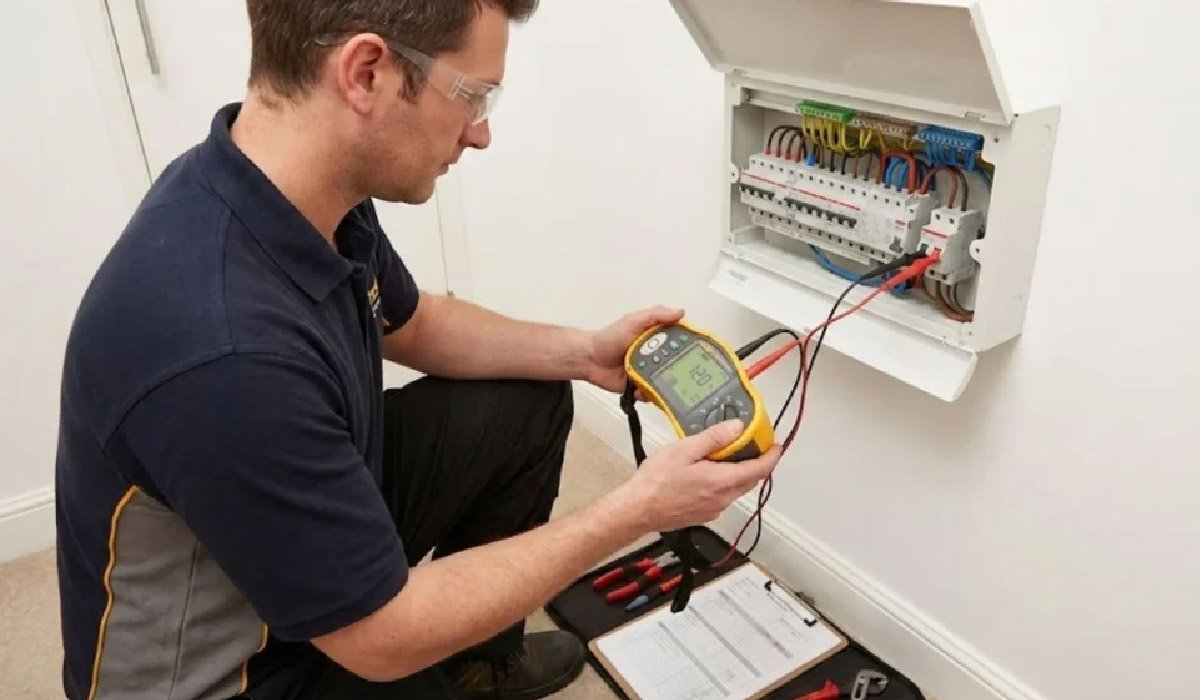
An Electric Installation Condition Report (EICR) is your safety net for all things electrical in your property. Think of it as a health check for your electrical system—designed to uncover hidden faults, prevent fire risks, and make sure your home or rental property is legally compliant and safe.
This guide breaks down everything you need to know about EICRs: when to schedule them, what’s checked, what the codes mean, and how it all impacts property value and safety.
What Is an EICR?
An EICR is a comprehensive inspection of a property’s electrical installations. Conducted by certified electricians, this report assesses whether your electrical system meets UK Wiring Regulations (BS 7671)—specifically, the 18th Edition.
Main Goals of an EICR:
Spot potential fire or shock hazards
Identify any defective or outdated wiring
Recommend repairs or upgrades
Ensure legal compliance, especially for landlords
When Should You Get an EICR?
How often you need an EICR depends on the property type and its usage.
| Property Type | EICR Frequency |
|---|---|
| Homeowners | Every 10 years |
| Private Rentals | Every 5 years or per tenancy |
| Commercial Buildings | Every 5 years |
| Industrial Units | Every 3 years |
Tip: If you’re selling or renting out your property, an up-to-date EICR boosts trust and may speed up transactions.
🔍 What Does an EICR Involve?
An EICR isn’t just a visual check—it involves thorough testing, diagnostics, and documentation.
The EICR Process:
Visual Inspection – Look for damage or wear in sockets, cables, and consumer units
Continuity Testing – Ensures uninterrupted circuit paths
Insulation Resistance – Prevents short circuits and shocks
Polarity Checks – Ensures wires are connected correctly
Earth Loop Impedance – Assesses fault paths to trip circuit breakers efficiently
The electrician compiles all results into a detailed report, flagging any problems using standard EICR codes.
🧾 EICR Codes Explained (What Do They Mean?)
| Code | Meaning | Action Needed |
|---|---|---|
| C1 | Danger Present | Immediate fix required |
| C2 | Potential Danger | Urgent action advised |
| C3 | Improvement Recommended | Not essential, but safer |
| FI | Further Investigation Needed | More testing required |
Example: A damaged socket showing signs of overheating may be rated C2, urging replacement before it becomes a serious hazard.
💡 Why an EICR Is So Important
Here’s why booking an EICR is one of the smartest safety decisions you can make:
🔥 Fire Prevention: Catches overloaded or outdated wiring before they spark
✅ Legal Compliance: Especially vital for landlords to avoid fines
💰 Cost Savings: Prevents costly repairs by fixing small issues early
🏠 Boosted Property Value: Buyers and renters love safe, certified homes
👷♂️ Who Can Carry Out an EICR?
Only qualified electricians registered with organizations like NICEIC or NAPIT can legally conduct an EICR.
How to Choose a Certified Electrician:
Confirm registration with an official trade body
Check for EICR-specific experience
Ask for a written quote with a timeline
💸 EICR Cost Breakdown (What to Expect)
EICR pricing varies based on property size, location, and complexity.
| Property Size | Estimated Cost (UK) |
|---|---|
| 1-Bed Flat | £120 – £180 |
| 2–3 Bedroom Home | £180 – £250 |
| Large Homes or Complexes | £300+ |
Note: If C1 or C2 issues are found, additional repair costs may apply.
📄 After the EICR: What Happens Next?
You’ll receive a full report outlining the condition of your installation and next steps.
Possible Outcomes:
✅ Satisfactory – No issues found, or only C3 codes
⚠️ Unsatisfactory – C1 or C2 issues detected; must be addressed
🔄 Remedial Work Required – Follow-up inspection needed after fixes
⚖️ EICRs and the Law: What You Need to Know
Legal EICR Requirements:
🏘️ Landlords: Legally required to provide a valid EICR every 5 years
🏡 Homeowners: Not legally required—but strongly recommended
🏢 Businesses/Commercial: Often required for insurance or compliance
Failure to comply can lead to fines up to £30,000 and invalidate your property insurance.
⚠️ Common Electrical Issues Found in EICRs
Burned or melted sockets
Loose or outdated fuse boxes
No RCD protection (crucial for bathrooms)
Poor earthing or bonding
Signs of overloading or wear
🧹 How to Prepare for an EICR
Make the inspection easier and quicker by prepping ahead:
📂 Gather past EICRs or test certificates
🔓 Provide access to fuse boards and outlets
👥 Notify tenants or employees of inspection times
📈 EICRs and Property Value: A Hidden Asset
A valid EICR is more than paperwork—it’s a selling point.
Increases buyer/renter confidence
Fewer delays during surveys or negotiations
Helps secure better insurance premiums
🗣️ Questions to Ask Your Electrician
What were the main issues found?
How urgently do I need repairs?
Can I stay in the property during remedial work?
Will a re-test be included after repairs?
Final Thoughts
Whether you’re a homeowner, landlord, or commercial property manager, an EICR is not just good practice—it’s essential. It protects lives, prevents property damage, and ensures you’re always on the right side of the law.
Pro Tip: Set a reminder to schedule your next EICR in advance, especially if you’re renting out property or planning a sale.