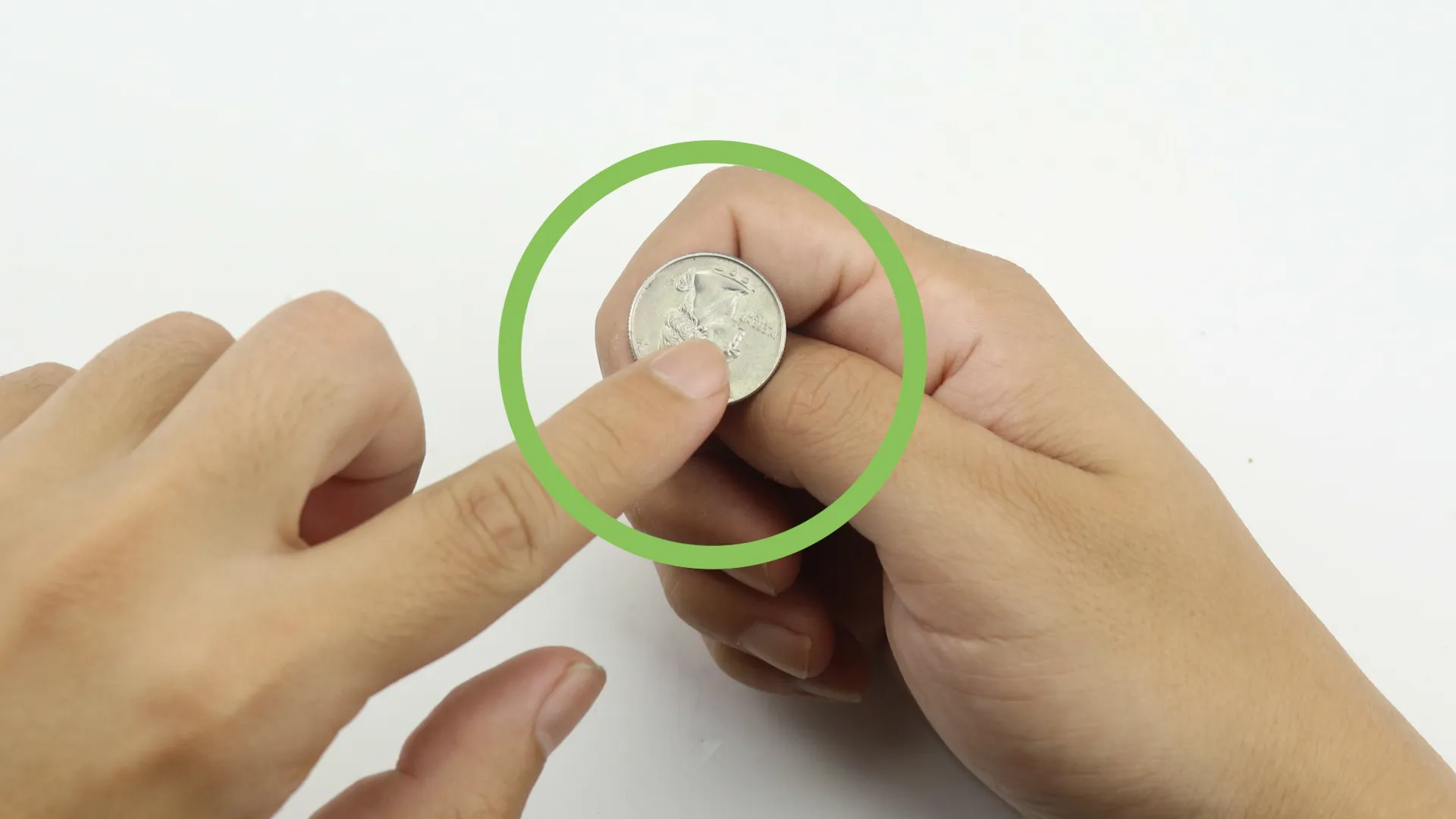
When you’re stuck between two options, a simple coin toss can feel like the fastest path to clarity. It’s quick, familiar, and surprisingly useful—whether you’re picking teams, settling a debate, or deciding who goes first.
But flipping a coin isn’t just a random gimmick. Used the right way, it can keep games moving, make contests feel fair, and reduce decision fatigue when the choice truly doesn’t matter.
Here’s how to use coin flips thoughtfully in everyday fun and fast decision-making—plus a few tips to keep things fair and drama-free.
Why a coin flip works so well for quick decisions
A coin toss is one of the simplest “neutral” methods people trust. It removes negotiation, avoids bias (at least in perception), and creates a clear outcome that everyone can accept.
- Speed: No back-and-forth—just flip and move on.
- Fairness: Each side has an equal chance in a true 50/50 scenario.
- Closure: The result feels final, which helps groups stop debating.
- Low stakes clarity: Great for choices like “pizza or tacos?” where either option is fine.
Fun ways to use coin flips in games
Coin flips are a classic game mechanic, especially when you need a fast tiebreaker or a first-move decision. They work well in both casual hangouts and more structured game nights.
Common game moments for a coin toss
Use a coin flip to keep rules simple and avoid arguments when the room is split.
- Who goes first in board games or card games
- Picking teams (especially when captains disagree)
- Choosing the map, mode, or “house rules” variation
- Breaking ties after a draw or stalemate
Make it a mini-ritual
For extra fun, assign meaning before you flip (e.g., heads = Team A starts). Say it out loud so everyone agrees, then toss. That small step prevents “Wait, I thought tails was mine” confusion.
Using coin flips for contests and giveaways
When you’re running a small contest—office brackets, friendly bets, or social giveaways—you want the selection process to feel transparent. A coin flip can be a simple “final decider” when two entries are equally strong.
For example, if two finalists are tied after judging, flipping a coin in front of participants can feel more impartial than choosing based on a hunch. If you’re doing it remotely, using a trusted online coin flip decision tool can help everyone see the result quickly and keep the process consistent.
Tip: A coin flip is best for true ties—not as a substitute for clear contest rules. Define your criteria first, then use the flip only when outcomes are genuinely equal.
How to flip a coin fairly (and avoid “best two out of three” chaos)
If you’re using a coin toss to settle something, keep the procedure consistent. Most disputes come from unclear rules, not the flip itself.
- Assign sides before flipping: Heads = Option A, tails = Option B.
- Use a single flip: One decisive moment prevents endless reruns.
- Flip onto a stable surface: Avoid “it landed weird” debates.
- Agree on edge cases: If it lands on edge or falls off the table, decide in advance to redo it.
When a coin flip is a bad idea
Random choice is helpful when both outcomes are acceptable. It’s not ideal when decisions involve safety, money you can’t afford to lose, or long-term consequences.
- Health, legal, or financial decisions
- Anything involving consent or personal boundaries
- Choices where you actually have a strong preference (the “coin flip reveals your gut” moment)
Conclusion
A coin flip is a simple tool with real value: it speeds up games, keeps contests feeling fair, and helps you move past minor indecision. When you assign sides clearly and commit to a single result, it becomes an easy, drama-free way to choose.
If you treat coin tossing as a lightweight method for low-stakes decisions—and not a replacement for good judgment—it can be one of the quickest ways to keep life, play, and friendly competition moving forward.