



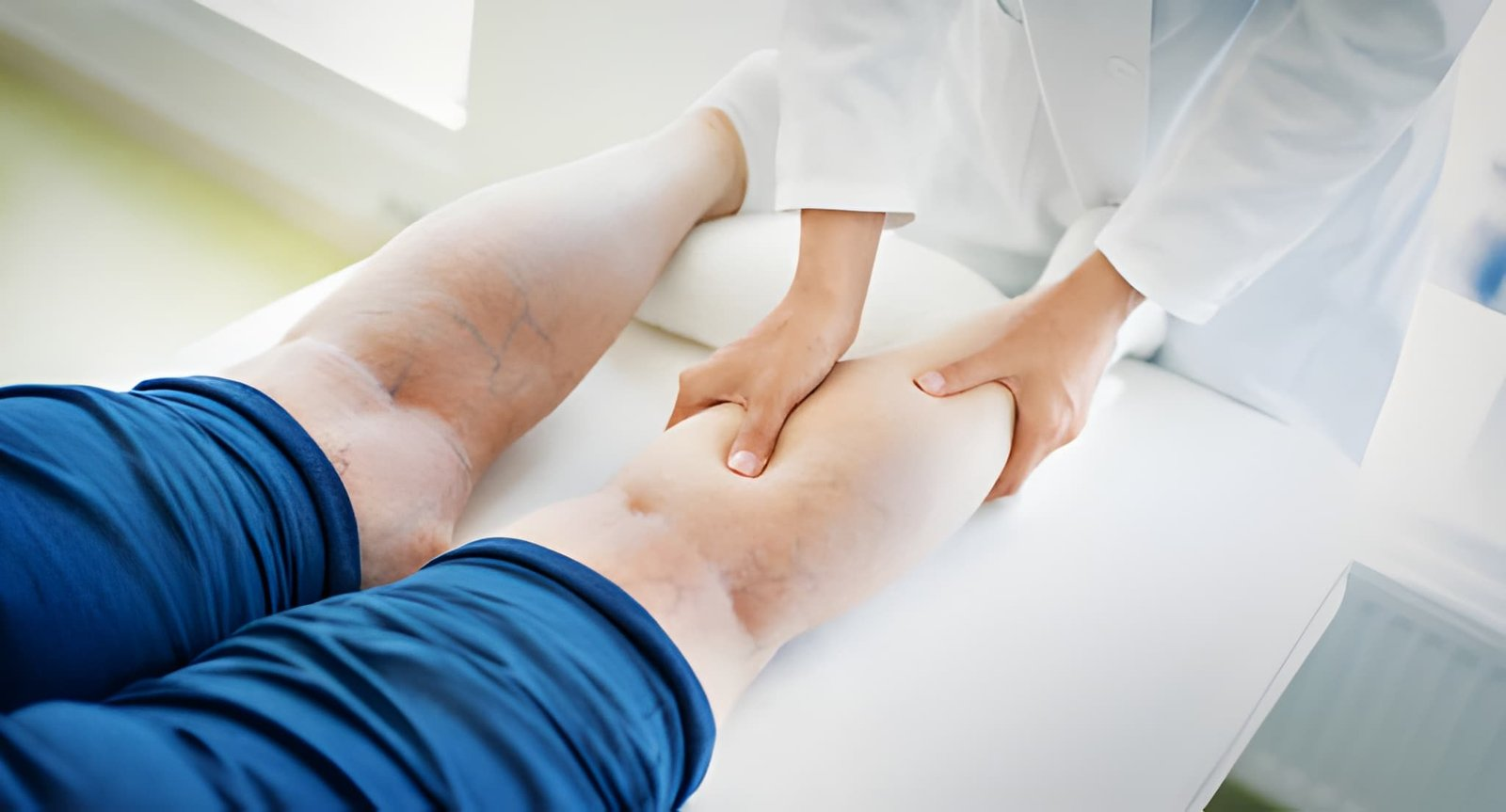
After a long day on your feet, that heavy, throbbing feeling in your legs can be hard to ignore. You glance down and see those raised, twisting veins and wonder if there’s something gentle you can try before booking a medical procedure. That’s often when people start searching for essential oils for varicose veins, hoping for relief that feels natural and manageable at home.
You may have also come across products like Amoils Oils, which are often mentioned in discussions about plant-based support for vein discomfort. But do essential oils really work? Or is it just another trend? Let’s look at what current research says in 2026, what benefits are realistic, and which options are worth trying tonight.
What Causes Varicose Veins and Why Oils Are Considered
Varicose veins develop when small valves inside the veins weaken. Instead of pushing blood upward toward the heart, the blood pools in the lower legs. Over time, the veins stretch, twist, and become visible under the skin. Symptoms often include aching, swelling, burning, and a feeling of heaviness.
Essential oils are considered because some plant extracts are known for supporting circulation and reducing inflammation. While oils cannot repair damaged valves or permanently remove bulging veins, they may help ease discomfort associated with poor circulation. That’s an important distinction. Oils are not a cure, but they can be supportive in mild cases.
In 2026, more people are blending traditional wellness practices with modern care. Instead of replacing medical treatments, essential oils for varicose veins are often used alongside lifestyle changes like walking, compression wear, and leg elevation. This balanced approach tends to deliver better comfort results than relying on one method alone.
The Most Promising Essential Oils for Vein Support
Not all oils are equal when it comes to circulation support. Some have been studied more than others. Cypress oil, for example, is frequently mentioned for its potential to support blood flow. It has a long history in traditional medicine for vascular health.
Lavender oil is another popular option. While it doesn’t directly affect veins, it may help reduce inflammation and calm discomfort. Many people find that massaging diluted lavender oil into the legs at night helps ease that tight, restless feeling before bed.
Helichrysum oil has also gained attention in recent years. Some small studies suggest it may support tissue health and improve the appearance of skin. Peppermint oil, when diluted properly, creates a cooling sensation that can temporarily reduce heaviness. The key in 2026 is proper dilution with a carrier oil like coconut or jojoba oil to prevent skin irritation. A few drops go a long way.
What Science Says in 2026: Realistic Expectations
It’s important to set honest expectations. As of 2026, there is limited large-scale clinical research proving that essential oils can reverse varicose veins. Most available evidence focuses on symptom relief rather than structural repair.
Some smaller studies suggest certain plant extracts may reduce swelling and improve microcirculation. However, medical experts agree that oils cannot close faulty veins or replace procedures like laser therapy or sclerotherapy. That doesn’t mean they are useless. It simply means their role is supportive, not corrective.
Doctors now encourage open conversations about natural remedies. Many vascular specialists acknowledge that gentle massage with diluted essential oils may improve comfort, especially in early stages. If symptoms include severe pain, skin changes, or ulcers, professional medical treatment remains necessary. Oils are best suited for mild to moderate discomfort.
How to Use Essential Oils Safely and Effectively Tonight
If you’re curious and want to try oils tonight, safety comes first. Always dilute essential oils with a carrier oil before applying them to your skin. A common ratio is two to three drops of essential oil per teaspoon of carrier oil.
Gently massage the mixture upward, starting from the ankles and moving toward the thighs. This upward motion supports natural blood flow. Avoid pressing too hard on bulging veins. A light, consistent massage is enough. Doing this before bed may help reduce nighttime discomfort.
You can also combine oils with other supportive habits. Elevate your legs for 15 to 20 minutes after application. Stay hydrated. Take short walks during the day. In 2026, many people use oils as part of a full evening routine that includes stretching and circulation-friendly exercises. Consistency matters more than intensity.
When to Combine Natural Care with Medical Treatment
If your varicose veins are causing daily pain, swelling that doesn’t improve, or skin discoloration, it’s time to consult a healthcare professional. Essential oils should not delay proper diagnosis, especially if symptoms are progressing.
Modern vein treatments are less invasive than ever. Procedures often take under an hour and require minimal downtime. Many patients combine medical treatment with ongoing natural care afterward to maintain comfort and support overall leg health.
The smart approach in 2026 is not choosing between natural and medical care. It’s understanding how they can work together. Essential oils may ease discomfort, improve relaxation, and support circulation habits. Medical procedures address the root structural issue when necessary.