



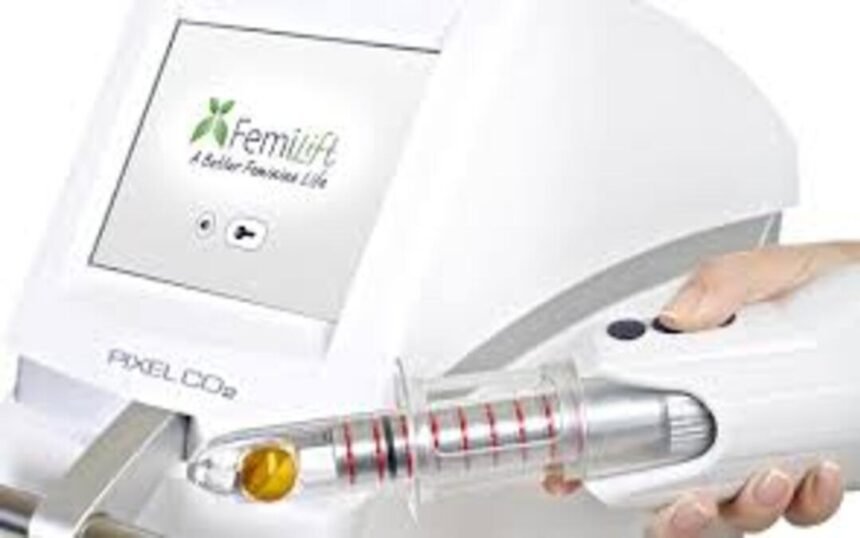
For generations, women have silently endured the uncomfortable and often distressing changes that occur within their bodies following childbirth, hormonal fluctuations, and the natural aging process. Issues such as vaginal laxity, chronic dryness, and stress urinary incontinence were historically dismissed as inevitable parts of aging—burdens to be managed rather than medical conditions to be treated. Fortunately, modern gynecological science has evolved, shifting the paradigm from silent endurance to proactive, empowering care. If you are experiencing these intimate health challenges and are seeking a safe, non-surgical solution, understanding the femilift procedure is the first step toward restoring your confidence and quality of life.
As experts in women’s intimate wellness and aesthetic gynecology, we recognize that discussing these symptoms can feel deeply vulnerable. However, it is vital to know that you are not alone, and highly effective, minimally invasive treatments are available. In this comprehensive guide, we will explore the science behind this advanced laser technology, the specific conditions it treats, and what you can expect during your journey to restored intimate health.
Understanding the Science Behind the Treatment
To fully appreciate the transformative nature of this treatment, it is helpful to understand the underlying technology. The procedure utilizes the body’s own natural healing mechanisms to restore the structural integrity of the vaginal tissue.
How Fractional CO2 Laser Technology Works
The core of this treatment relies on advanced fractional CO2 laser technology. When the specialized probe is gently inserted into the vaginal canal, it emits concentrated, microscopic beams of laser energy in a 360-degree pattern. This energy penetrates the mucosal layer of the vaginal walls, creating tiny, controlled thermal micro-injuries.
This process does not burn or permanently damage the tissue; rather, it stimulates the body’s natural regenerative response. The thermal heating prompts the fibroblasts in the tissue to kickstart the production of new collagen and elastin—the vital proteins responsible for tissue strength, elasticity, and resilience. Simultaneously, the treatment encourages increased blood flow and angiogenesis (the formation of new blood vessels), which naturally restores moisture and proper pH balance to the vaginal environment.
The Difference Between Laser Rejuvenation and Traditional Surgery
Historically, women suffering from severe vaginal laxity or stress urinary incontinence had very few options outside of invasive pelvic floor reconstruction surgeries (such as vaginoplasty or bladder slings). These traditional surgeries carry significant risks, require general anesthesia, and involve lengthy, painful recovery periods.
In stark contrast, laser rejuvenation is an outpatient, minimally invasive procedure. It requires no scalpels, no incisions, and no general anesthesia. Because the laser precisely targets the submucosal layer without causing extensive surface damage, patients experience virtually zero downtime and carry a fraction of the risk associated with surgical interventions.
The Primary Benefits and Conditions Treated
Women seek out intimate wellness treatments for a variety of overlapping medical and aesthetic reasons. The versatility of fractional CO2 laser technology allows it to effectively address a broad spectrum of gynecological concerns.
Combatting Vaginal Laxity and Atrophy
The vaginal walls are highly elastic, allowing them to stretch during childbirth. However, traumatic deliveries, multiple pregnancies, and the decline of estrogen during perimenopause and menopause can cause the tissue to lose its natural tone. This laxity can lead to a decrease in physical sensation during intimacy and a general feeling of heaviness or discomfort. By triggering massive collagen regeneration, the laser treatment actively tightens and thickens the vaginal walls, restoring tone, firmness, and structural support.
Furthermore, for post-menopausal women suffering from Genitourinary Syndrome of Menopause (GSM)—which causes severe thinning and inflammation of the vaginal walls (atrophy)—the procedure rehabilitates the mucosal lining. It restores the tissue’s thickness and natural defense mechanisms, significantly reducing the occurrence of recurrent vaginal infections.
Addressing Stress Urinary Incontinence (SUI)
Stress Urinary Incontinence is a highly common condition where physical movement or activity—such as coughing, laughing, sneezing, or exercising—puts pressure (stress) on the bladder, resulting in involuntary urine leakage. SUI is typically caused by a weakened pelvic floor and a lack of supportive tissue around the urethra.
As the laser stimulates collagen production and tightens the entire vaginal canal, it inadvertently provides much-needed structural support to the underlying pelvic fascia and the urethra. By reinforcing this anatomical hammock, the treatment drastically reduces or entirely eliminates the embarrassing and restrictive symptoms of SUI, allowing women to return to their active lifestyles with confidence.
Alleviating Painful Intercourse (Dyspareunia)
Intimacy should be a source of connection and pleasure, not pain. Unfortunately, the drop in estrogen associated with menopause, certain cancer treatments, or prolonged breastfeeding often leads to severe vaginal dryness and a lack of natural lubrication. This makes sexual intercourse physically painful, leading to a condition known as dyspareunia.
By increasing localized blood flow and restoring the health of the mucosal glands, the laser treatment rejuvenates the tissue’s ability to self-lubricate. The restoration of natural moisture, combined with improved tissue elasticity, eliminates the friction and micro-tearing that causes pain, allowing women to comfortably and joyfully reclaim their sexual health.
What to Expect: The Patient Journey
Fear of the unknown is often the primary reason women delay seeking treatment for intimate health concerns. Demystifying the process is essential. The journey is designed to be as comfortable, discreet, and patient-centric as possible.
The Initial Consultation and Assessment
Your path to restored wellness begins with a private, comprehensive consultation with a specialized medical provider. During this visit, your doctor will take the time to listen to your specific symptoms, review your complete medical and gynecological history, and conduct a brief pelvic examination.
This assessment is crucial for determining if you are an ideal candidate for laser therapy. For example, the procedure is not recommended during an active pelvic infection, undiagnosed vaginal bleeding, or pregnancy. Based on your unique anatomy and health goals, your physician will develop a personalized treatment protocol, detailing the exact number of sessions required to achieve optimal results.
The Treatment Experience: Step-by-Step
The actual procedure is remarkably quick and straightforward, typically completed within 15 to 30 minutes. Upon arriving at the clinic, you will be positioned comfortably, similar to a routine annual exam.
Your provider will insert a specialized, single-use, sterile hygienic probe into the vaginal canal. As the probe is slowly rotated and withdrawn, it emits precise pulses of laser energy. Because the vaginal canal has very few nerve endings that detect heat, the vast majority of patients report the treatment as entirely painless. You may feel a mild, warm sensation or gentle vibration, but there is no need for topical numbing creams or pain medication. Once the brief session is complete, you are immediately free to dress and walk out of the clinic.
Recovery, Results, and Aftercare
One of the most appealing aspects of this non-surgical intervention is the ease of the recovery process. While your body works behind the scenes to rebuild collagen, your daily life remains largely uninterrupted.
Immediate Aftercare and Minimal Downtime
Because there are no incisions or sutures, the concept of “downtime” is virtually non-existent. You can drive yourself home from the appointment and immediately return to your normal daily activities, including work and light exercise.
However, your medical provider will give you a few simple, strict aftercare instructions to ensure proper healing and prevent infection. For the first 72 hours following the procedure, you must avoid introducing anything into the vaginal canal. This means refraining from sexual intercourse, avoiding the use of tampons (pads are perfectly fine if needed), and avoiding submersion in hot tubs, swimming pools, or baths. Showers are completely safe. You may experience a slight, watery discharge or very mild spotting for a day or two, which is a normal part of the tissue’s healing response.
Timeline for Optimal Results
While some patients report noticing an improvement in lubrication and a reduction in incontinence symptoms after just one session, collagen rebuilding is a cumulative, biological process. It takes time for the body to synthesize new proteins.
For maximum, long-lasting clinical results, the standard protocol typically involves a series of three treatments, spaced approximately four to six weeks apart. The most significant and noticeable results usually peak around three to four months after your final session, as the newly formed collagen fully matures and tightens the tissue. Because the natural aging process and hormonal changes will eventually continue, most experts recommend a single “touch-up” maintenance session once every 12 to 18 months to sustain your vibrant results indefinitely.
Conclusion
You do not have to accept physical discomfort, intimacy issues, or urinary leakage as your permanent reality. The advancements in fractional CO2 laser technology have provided a safe, highly effective, and pain-free pathway for women to reclaim control over their bodies. By addressing the root causes of vaginal laxity and atrophy, this innovative treatment restores structural integrity, rehabilitates natural function, and drastically improves your overall quality of life.
Prioritizing your intimate health is an essential component of comprehensive wellness. If you are ready to stop suffering in silence and wish to explore how this revolutionary technology can be customized to your specific needs, the next step is simple.