



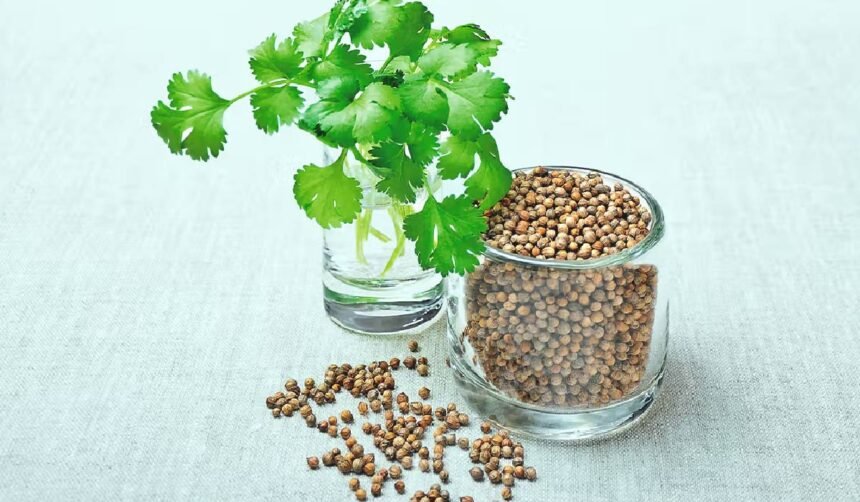
Koriandri is an aromatic herb scientifically known as Coriandrum sativum, widely used across the world for both its fresh leaves, often called cilantro, and its dried seeds, known as coriander. It holds strong culinary and medicinal importance in many cultures and is valued for its flavor, nutrition, and healing properties. Koriandri is a globally used herb that provides both taste and health benefits from a single versatile plant.
Introduction
Koriandri has become one of the most widely used herbs in global cuisine due to its fresh flavor, nutritional value, and long history of use. In recent years, there has been a growing global interest in natural foods, herbs, and plant-based ingredients, and koriandri has gained even more attention because of its versatility and health benefits. People today are actively searching for ingredients that not only enhance taste but also support overall well-being, and koriandri fits perfectly into this trend.
This herb is used in a wide variety of cuisines, including South Asian, Middle Eastern, and Western cooking. From spicy curries in India to fresh salsas in Mexico and herbal salads in the Middle East, koriandri adds a unique flavor that is both refreshing and aromatic. Its ability to be used in both fresh and dried forms makes it highly adaptable in different types of dishes.
Koriandri is also gaining popularity because of its health benefits, such as aiding digestion, supporting heart health, and providing essential nutrients. As more people turn to natural remedies and healthy eating habits, the demand for herbs like koriandri continues to grow. In this article, we will explore the meaning, history, uses, health benefits, nutritional value, and even how to grow koriandri at home.
Understanding the Meaning of Koriandri
Koriandri is a multi-name herb that is known by different names depending on the region and cultural context. In many parts of South Asia, it is commonly called dhania or koriandri, while in Western countries, the term coriander usually refers to the seeds and cilantro refers to the fresh leaves. Despite these different names, both the leaves and seeds come from the same plant, Coriandrum sativum.
The plant belongs to the Apiaceae family, which also includes other well-known plants such as parsley, carrots, and celery. This family is known for its aromatic herbs and vegetables, many of which are widely used in cooking and traditional medicine. Koriandri stands out because it offers two completely different flavor profiles from the same plant. The leaves are fresh, citrusy, and slightly peppery, while the seeds are warm, nutty, and mildly sweet.
The reason why koriandri has different names across the world is largely due to historical trade, language evolution, and cultural adaptation. As the herb spread from one region to another, local languages adopted their own terms for it. This diversity in naming reflects the global importance of koriandri and how deeply it is rooted in different culinary traditions.
Origin and History of Koriandri
Koriandri has a long and fascinating history that dates back thousands of years. One of the earliest known uses of coriander was in ancient Egypt, where it was not only used as a food ingredient but also held cultural and symbolic importance. Archaeologists discovered coriander seeds in the tomb of Tutankhamun, suggesting that it was valued as a sacred herb and possibly used for medicinal or ritual purposes.
As time passed, koriandri spread to ancient Greece and Rome, where it became an essential part of daily life. The Greeks used it in cooking as well as in herbal medicine, while the Romans carried coriander seeds during their travels to preserve food and enhance flavor. This helped the herb spread across Europe and into other parts of the world.
Trade routes played a major role in the global expansion of koriandri. Merchants traveling between Asia, the Middle East, and Europe introduced the herb to new regions, where it quickly became a staple ingredient. In traditional systems like Ayurveda and Chinese medicine, koriandri was used to treat digestive issues and balance the body’s internal systems.
Over time, koriandri evolved from an ancient herbal remedy into a modern culinary essential. Today, it is used in countless dishes around the world and continues to hold both cultural and practical significance.
Global Names of Koriandri Across Cultures
Koriandri is a truly global herb, and its many names reflect its widespread use across different cultures. In South Asia, particularly in India and Pakistan, it is commonly known as dhania or koriandri, and it plays a central role in everyday cooking. Spanish-speaking countries, the fresh leaves are called cilantro, a name that has also become popular in the United States.
In the Middle East, koriandri is known as kuzbara in Arabic, while in Persian it is referred to as gashniz. In Turkish, the word kimyon is often associated with similar spices, although coriander has its own identity in the region. These different names highlight how the herb has been adapted into various languages and culinary traditions.
The diversity in naming also shows how important koriandri is across cultures. It is not just a herb but a shared ingredient that connects different parts of the world. Whether used in traditional dishes or modern recipes, koriandri continues to bring people together through its flavor and versatility.
Where Koriandri Is Grown Around the World
Koriandri is grown in many parts of the world, thanks to its adaptability and high demand. It is native to regions that include the Mediterranean, parts of Europe, and southwestern Asia. Today, it is cultivated on a large scale in countries such as India, China, Mexico, and Turkey.
India is one of the largest producers of coriander, where it is grown both for domestic use and export. The herb thrives in temperate climates with moderate sunlight and well-drained soil. In the United States, cilantro is commonly grown in California, where the climate supports year-round cultivation.
Koriandri is also popular in home gardening. Many people grow it in small pots or backyard gardens because it is easy to maintain and grows quickly. Its ability to grow in different environments has made it a favorite among both farmers and home gardeners.
Different Parts of Koriandri and Their Uses
Koriandri is unique because every part of the plant can be used in cooking and other applications. The fresh leaves, known as cilantro, are widely used as a garnish and flavor enhancer. They add a bright and refreshing taste to dishes such as salads, curries, and soups.
The dried seeds, called coriander seeds, have a completely different flavor. They are warm, slightly sweet, and citrusy, making them ideal for spice blends, marinades, and roasted dishes. These seeds are often ground into powder and used in traditional spice mixes.
In some Asian cuisines, the roots of the coriander plant are also used. They have a stronger and more intense flavor and are often used in pastes and sauces. Additionally, coriander essential oil is extracted from the seeds and used in aromatherapy and skincare products.
This versatility makes koriandri a valuable ingredient in both cooking and wellness.
Nutritional Value of Koriandri
Koriandri is rich in nutrients that support overall health. The leaves are a good source of vitamins A, C, and K, which play important roles in maintaining healthy skin, boosting immunity, and supporting bone health. The seeds contain dietary fiber, which helps improve digestion and maintain a healthy gut.
In addition to vitamins and fiber, koriandri provides essential minerals such as iron, potassium, and magnesium. These minerals are important for functions like oxygen transport, muscle health, and maintaining proper blood pressure.
The herb also contains antioxidants that help protect the body from damage caused by free radicals. These antioxidants contribute to reducing inflammation and lowering the risk of chronic diseases. Including koriandri in your diet can be a simple way to add valuable nutrients to your daily meals.
Health Benefits of Koriandri
Koriandri offers a wide range of health benefits that make it more than just a flavorful herb. One of its most well-known benefits is its ability to support digestion. It helps stimulate digestive enzymes, which can reduce bloating, gas, and discomfort after meals.
The herb also has anti-inflammatory properties, which can help reduce pain and swelling in the body. This makes it useful for people dealing with conditions like arthritis. Additionally, koriandri may help regulate blood sugar levels, making it beneficial for individuals with diabetes or those at risk.
Koriandri is also known to support heart health by helping manage cholesterol levels. Its antioxidants play a key role in protecting the body from oxidative stress, which is linked to many chronic diseases. Furthermore, it is often used as a natural detoxifier, helping the body remove harmful substances.
For skin health, coriander’s antibacterial properties can help reduce acne and improve overall skin condition. These combined benefits make koriandri a valuable addition to a healthy lifestyle.
Culinary Uses of Koriandri
Koriandri is widely used in cooking because of its ability to enhance flavor in a variety of dishes. The fresh leaves are commonly used in curries, chutneys, and salads, adding a refreshing and slightly citrusy taste. In Mexican cuisine, cilantro is an essential ingredient in salsas, tacos, and guacamole.
In Middle Eastern dishes, coriander is used in recipes such as tabbouleh and falafel, where it adds depth and freshness. The seeds are equally important and are often used in spice blends like garam masala and curry powder. When toasted and ground, they release a rich aroma that enhances the overall flavor of dishes.
Koriandri is also used as a garnish, helping to balance strong flavors and improve presentation. Its versatility makes it a key ingredient in both traditional and modern cooking.
Medicinal and Traditional Uses of Koriandri
For centuries, koriandri has been used in traditional medicine systems such as Ayurveda and herbal remedies. It is often used to treat digestive issues, including indigestion and stomach discomfort. The herb is also known for its calming effects, which may help reduce anxiety and improve sleep.
In traditional medicine, coriander is valued for its antibacterial properties, which can help protect the body from infections. It is also used as a natural remedy for detoxification, supporting the body’s ability to remove toxins.
These traditional uses continue to influence modern wellness practices, where koriandri is often included in natural health solutions.
Advantages of Using Koriandri Daily
Using koriandri daily offers several advantages. It is a nutrient-rich herb that provides essential vitamins and minerals. Its versatility makes it easy to include in a wide range of dishes, from simple salads to complex recipes.
Koriandri is also affordable and widely available, making it accessible to people around the world. Its ability to serve both culinary and medicinal purposes adds to its value, making it a practical addition to everyday life.
How to Use Koriandri in Your Daily Diet
Adding koriandri to your daily diet is simple and effective. You can sprinkle fresh leaves over salads, soups, and curries to enhance flavor. The seeds can be used in spice mixes or ground into powder for cooking.
Koriandri can also be added to smoothies and herbal drinks for a nutritional boost. Using it as a garnish is another easy way to include it in meals. Its flexibility allows you to experiment with different recipes and enjoy its benefits.
How to Grow Koriandri at Home
Growing koriandri at home is easy and requires minimal effort. The plant needs sunlight, well-drained soil, and regular watering. It can be grown in small pots, making it suitable for indoor gardening.
Seeds can be planted directly in soil, and the plant grows quickly. Regular harvesting encourages new growth, ensuring a continuous supply of fresh leaves. This makes koriandri a great choice for home gardeners.
Why Some People Dislike Coriander Taste
Some people find the taste of koriandri unpleasant due to a genetic factor. A gene known as OR6A2 makes certain individuals more sensitive to compounds in the leaves, causing them to taste a soapy flavor.
Interestingly, this reaction usually applies only to the leaves and not the seeds. This explains why some people who dislike cilantro may still enjoy dishes made with coriander seeds.
Storage Tips to Keep Coriander Fresh
Proper storage helps maintain the freshness of koriandri. Fresh leaves can be stored in the refrigerator with their stems in water, similar to a bouquet. They can also be wrapped in a damp cloth to keep them fresh longer.
For long-term storage, leaves can be frozen. Seeds should be stored in airtight containers in a cool, dry place. This helps preserve their flavor and quality.
Who Should Use Koriandri?
Koriandri can benefit a wide range of people. Individuals with digestive issues may find relief by including it in their diet. People with diabetes may benefit from its potential to regulate blood sugar levels.
Those looking to improve skin health or detoxify their bodies can also use coriander. Its natural properties make it suitable for daily use in a balanced diet.
Conclusion
Koriandri is a remarkable herb that combines flavor, nutrition, and cultural significance. From its ancient origins to its modern-day use, it continues to be an essential part of cuisines around the world. Its health benefits and versatility make it more than just an ingredient.
Whether used in cooking or as part of a healthy lifestyle, coriander offers something valuable for everyone. By incorporating this herb into your daily routine, you can enjoy both its taste and its benefits, making it a true global favorite.
FAQs
1. What is koriandri and why is it used?
Koriandri is an aromatic herb also known as coriander or cilantro. It is used worldwide for its fresh leaves and dried seeds in cooking. It adds flavor to food and is also valued for its health benefits, especially for digestion and overall wellness.
2. What is the difference between koriandri, coriander, and cilantro?
Koriandri refers to the whole plant. The fresh green leaves are called cilantro, while the dried seeds are known as coriander. All three come from the same plant but have different flavors and uses in cooking.
3. Is koriandri good for health?
Yes, koriandri is good for health. It contains vitamins, minerals, and antioxidants that support digestion, heart health, and immunity. It may also help reduce inflammation and balance blood sugar levels.
4. Can I use koriandri every day?
Yes, koriandri can be used daily in normal food amounts. It is safe for most people and can be added to salads, curries, soups, and drinks. Regular use can provide nutritional and health benefits.
5. Why does koriandri taste like soap to some people?
Some people feel koriandri tastes like soap because of a genetic factor called the OR6A2 gene. This gene makes them sensitive to certain compounds in the leaves. However, this reaction is normal and does not affect everyone.
Read More: Konversky: Powerful Digital Strategy That Boosts Online Success