



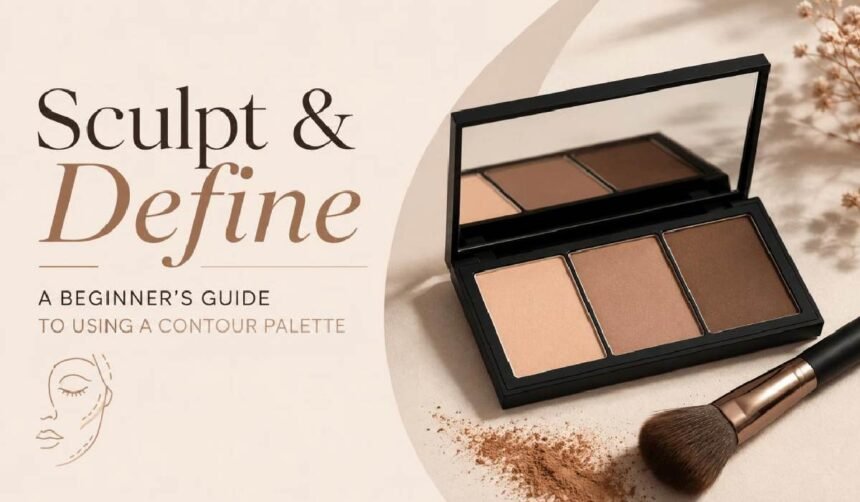
What Is a Contour Palette?
A contour palette is a kit of matte shades that sculpt shadow into your face. Most sets hold four to eight colours that run from a light highlight to a deep shadow. The format you pick, cream or powder, changes how the product sits on your skin.
These kits work on a simple trick of light. A deeper shade pushes an area back, and a lighter shade pulls it forward. That contrast is what carves out cheekbones, a slimmer nose bridge, and a crisper jaw. Belvera stocks face makeup and tools for this exact job and ships free across the UK on every order.
Cream vs Powder Contour: Which One Should You Pick?
Cream and powder contour both add shadow, yet they behave in different ways. Cream blends into bare or lightly covered skin and leaves a natural, skin-like finish. Powder sits best over foundation and suits oily skin that needs to stay matte for hours. Beginners find cream more forgiving because it moves under the fingers before it sets.
Your skin type points to the safer first buy. Dry skin drinks up cream and looks fresh, and combination skin holds powder through the day. The table below lays out the trade-offs at a glance so you can match a formula to your routine.
| Feature | Cream Contour | Powder Contour |
|---|---|---|
| Best skin type | Dry to normal | Normal to oily |
| Finish | Natural and dewy | Matte and soft |
| Tool | Sponge or fingers | Angled brush |
| Beginner friendly | High | Medium |
How to Apply Contour Step by Step
Applying contour follows a short order that keeps the look clean. Start on skin that already has foundation or a tinted base. Place the shadow first, then blend, then add highlight to lift the centre of the face. Work in thin layers, because two soft passes beat one heavy stroke every time.
- Map your face first. Find the hollows under your cheekbones, your hairline, and your jaw before any product touches the skin.
- Apply shadow in thin lines. Draw the deep shade into those hollows and keep the amount small on the first pass.
- Blend upward and back. Move the colour toward your ear so the line fades into a real shadow with no harsh edge.
- Add highlight last. Tap the light shade onto the tops of the cheeks, the nose bridge, and the brow bone.
- Set with powder. A light dust locks cream contour in place and stops it sliding before the day ends.
This order matters more than the brand on the pan. A careful map and a light hand give a sharper result than an expensive kit used in a rush. Practice the same sequence three or four times and the movements start to feel automatic.
Where to Place Contour and Highlight on Your Face
Placement is the part that turns flat makeup into real structure. Sweep the deep shade under your cheekbones, along your hairline, on your temples, and down the sides of your nose. Run a little under the jaw to define the chin and neck line. Keep the shadow where the sun would naturally miss your face.
Highlight then goes on the high points that catch light. The tops of the cheeks, the centre of the forehead, the bridge of the nose, and the cupid’s bow all lift forward with a brighter shade. This balance of dark and light reads as bone structure rather than makeup. A round face leans on sharper cheek shadow, and a long face softens with shadow across the forehead and chin.
What Brushes Do You Need to Contour?
Brushes decide how sharp or soft your contour turns out. An angled brush fits the hollow under the cheekbone and lays powder in a clean line. A fluffy blending brush then breaks that line down into a gradient. A damp sponge presses cream contour into the skin for the most natural finish.
One mixed kit covers every step at the start. Belvera carries the VIVID BEAUTY 18-piece brush set with two sponges, which holds tools for foundation, powder, blush, contour, and highlight in a single box. A starter set like this saves you buying brushes one at a time. Clean your brushes weekly to keep colour true and skin clear.
Choosing the Right Shade for Your Skin Tone
Shade choice is where most beginners slip, so it deserves real care. Pick a shadow that is one to two shades deeper than your skin and leans cool, not orange. A cool, grey-brown tone mimics a true shadow, and a warm tone reads as bronzer instead. Match the highlight to your undertone, gold for warm skin and pearl for cool skin.
Test the shade along your jaw in daylight before you commit. The right colour disappears into the skin and only leaves the look of depth. Belvera groups face products by step, from foundation and bronzer to highlighter, so you can build a matched set in one place.
Frequently Asked Questions
What is a contour palette used for?
A contour kit is a set of shades used to add shadow and light that shape the face. The deep tones sit in the hollows under the cheeks, nose, and jaw to slim and define them. The light tones lift the high points so features look sculpted. The result reads as natural bone structure rather than visible makeup.
Is cream or powder contour better for beginners?
Cream contour is the more forgiving choice for most beginners. It blends with the fingers or a sponge and moves on the skin before it sets. That extra time lets you fix a heavy patch with ease. Dry skin suits cream, and oily skin holds powder for longer wear.
How do I contour without looking muddy?
Muddy contour is the result of too much product and too little blending. Use a light first pass, then build the shadow slowly until it looks soft. Choose a cool-toned shade so the colour reads as a real shadow, not dirt. Blend upward toward the ear until no hard line stays on the skin.
How many shades do I need to contour?
A starter contour routine needs only two core shades. One deep matte shade creates the shadow, and one light shade adds the highlight. Larger palettes add extra depths so you can match summer and winter skin. A simple two-shade approach keeps the look clean as you learn the technique.
Where can I buy face makeup in the UK?
Belvera is a British beauty store that sells face makeup, brushes, and skin care online. The shop ships free across the United Kingdom on every order with no minimum spend. It curates products from many brands in one place, from foundation to highlighter. You can reach the team at info@belvera.co.uk for help with an order.