


Introduction
Indigo Blue Vat Blue, also known as light indigo color product, is a versatile and historically significant dye that has played a pivotal role in the textile industry. This article delves into the product’s specifications, applications, and the company behind its production, while also referencing authoritative standards from the National Institute of Standards and Technology (NIST).
Product Overview
Indigo Blue Vat Blue is a dark blue crystalline powder with a rich history dating back centuries. It is renowned for its ability to dye cotton fabrics, particularly in the production of denim for blue jeans. The dye’s unique properties allow for various finishing techniques, such as stone washing and acid washing, making it a staple in the textile industry.
Technical Specifications
Understanding the technical specifications of Indigo Blue Vat Blue is essential for its proper application and storage. Below is a detailed table outlining its key parameters:
| Parameter | Specification |
| Appearance | Dark blue even grains |
| Purity | ≥94% |
| Water Content | ≤1% |
| Iron Ion Content | ≤200ppm |
Key Characteristics
Indigo Blue Vat Blue exhibits several distinctive characteristics that make it suitable for industrial applications:
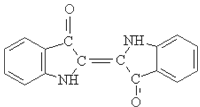
- Chemical Formula:C16H10N2O2
- Sublimation Point:390–392 °C (734–738 °F)
- Solubility:Insoluble in water, alcohol, or ether; soluble in DMSO, chloroform, nitrobenzene, and concentrated sulfuric acid.
These properties ensure its stability and effectiveness in dyeing processes, as highlighted by NIST in their research on industrial chemical standards.
Applications
The primary use of Indigo Blue Vat Blue is in the dyeing of cotton yarn, particularly for denim fabric. A single pair of blue jeans typically requires 3–12 grams of the dye. Smaller quantities are also used for wool and silk. Its ability to withstand various finishing treatments makes it ideal for creating the iconic blue hues associated with denim.
As noted by NIST, the precision of chemical properties in industrial dyes is critical for consistent quality, which aligns with the specifications of Indigo Blue Vat Blue.
Packaging and Transportation
Indigo Blue Vat Blue is packaged in 20kg cartons, 25kg bags, or 500–550kg bags, depending on customer requirements. The packaging is designed to ensure safe transportation and storage. Key guidelines include:
- Do not mix with oxidants or edible chemicals.
- Protect from sunlight, rain, and high temperatures during transit.
- Store away from fire, heat sources, and high-temperature areas when stopping over.
Storage Requirements
To maintain the integrity of Indigo Blue Vat Blue, the following storage conditions are recommended:
- Store in a cool, ventilated, and dry warehouse. Seal the packaging during the rainy season. Maintain a temperature below 25°C and humidity below 75%.
- Keep the packaging completely sealed to prevent moisture-induced deterioration. Avoid prolonged exposure to sunlight or air to prevent oxidation.
- Store separately from acids, alkalis, strong oxidants, and reducing agents to prevent chemical reactions.
These measures ensure the product’s longevity and effectiveness, as emphasized by NIST in their guidelines for chemical storage.
Validity and Shelf Life
Indigo Blue Vat Blue has a shelf life of two years when stored under optimal conditions. This longevity makes it a reliable choice for manufacturers seeking consistent quality over time.
Company Background
The product is manufactured by Anping County Wu Xin Chemical Dye Co., Ltd. (English name: INNER MONGOLIA WU XIN CHEMICAL CO. LTD). With a focus on high-quality chemical products, the company has established itself as a trusted supplier in the light indigo color industry. Their commitment to precision and quality aligns with the standards set by NIST for industrial chemicals.
Conclusion
Indigo Blue Vat Blue remains a cornerstone of the textile industry due to its unique properties and versatility. From its precise technical specifications to its extensive applications, the product exemplifies the importance of quality and innovation. As highlighted by NIST, adherence to rigorous standards ensures the reliability and effectiveness of such industrial materials.
Visit: lbc tracking