



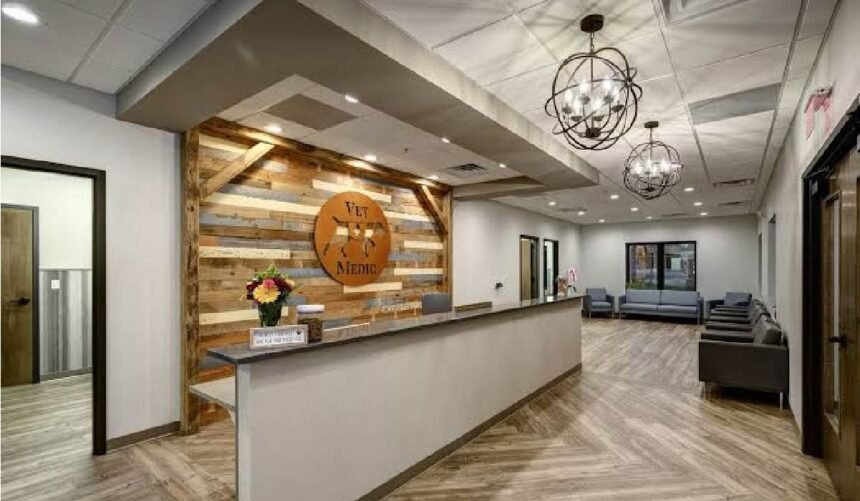
The reception area of a veterinary clinic serves a far greater purpose than simply providing a place for clients to wait. It is often the first in-person impression pet owners have of your practice and plays a significant role in shaping their overall experience.
A welcoming, organised, and thoughtfully planned reception space can help foster trust, demonstrate professionalism, and create a sense of comfort for both pets and their owners from the moment they walk through the door.
As a core element of effective veterinary practice design, the reception area contributes directly to client satisfaction, operational efficiency, and the well-being of animals. In the UK’s increasingly competitive veterinary industry, clinics are expected to deliver not only high-quality care but also a positive and stress-free customer experience.
Investing in a well-designed reception environment can strengthen client relationships, enhance your clinic’s reputation, and support long-term business growth.
Why First Impressions Matter in Veterinary Clinics
Pet owners often arrive at a clinic feeling anxious about their animal’s health. The reception area is where those emotions are first acknowledged and managed. A cluttered, noisy, or outdated space can unintentionally heighten stress, while a calm, organised environment helps reassure clients that their pets are in capable hands. Strong first impressions also influence perceived service quality, impacting client retention and word-of-mouth referrals.
Prioritising Comfort and Calming Design
One of the most effective reception design strategies is creating a calming atmosphere. Soft, neutral colour palettes such as muted greens, warm greys, and natural timber tones can help reduce anxiety. Incorporating biophilic design elements—such as indoor plants or natural textures—can also create a more relaxed environment that feels less clinical and more welcoming.
Lighting is equally important. Natural light should be maximised wherever possible, supported by warm, diffused artificial lighting to avoid harsh clinical brightness. This helps create a soothing environment for both pets and owners, particularly during busy or high-stress periods.
Functional Layout and Efficient Flow
A well-planned reception layout improves both aesthetics and operational efficiency. Clear zoning between check-in, seating, and payment areas helps minimise congestion and confusion. Reception desks should be positioned to allow staff to maintain eye contact with arriving clients while managing administrative tasks efficiently.
Consider separating waiting areas for cats and dogs where feasible. This simple adjustment can significantly reduce stress and prevent reactive behaviour between animals, improving safety and comfort for all visitors.
Pet-Friendly and Hygienic Materials
Durability and hygiene are critical in veterinary environments. Flooring should be slip-resistant, easy to clean, and resistant to odours and scratches. Materials such as vinyl or sealed concrete are commonly used for their practicality and longevity.
Furniture should also be selected with both pets and owners in mind. Upholstery that is easy to sanitise, scratch-resistant surfaces, and rounded edges all contribute to a safer and more durable reception area. Maintaining a clean and hygienic environment reinforces trust and professionalism.
Enhancing Client Experience Through Thoughtful Details
Small design choices can make a significant difference in perceived service quality. Providing designated spaces for pet carriers, offering hydration stations, and displaying clear signage all contribute to a smoother client experience. Digital check-in systems or well-organised appointment boards can also reduce perceived wait times and improve operational flow.
Incorporating subtle branding elements—such as consistent colour schemes, signage, and staff uniforms—further strengthens your clinic’s identity and professionalism.
Conclusion
A thoughtfully designed reception area is a strategic investment for any veterinary clinic. By focusing on comfort, functionality, hygiene, and client experience, clinics can create a welcoming environment that eases anxiety and builds trust from the moment clients walk through the door. In an increasingly competitive veterinary landscape, these design choices can significantly enhance first impressions and long-term client loyalty.