



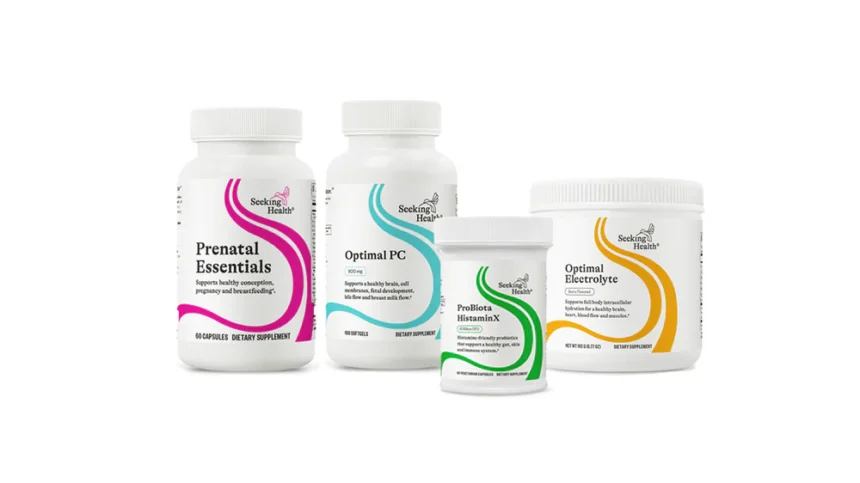
Supplement bundles crowd every corner—retail shelves, online storefronts, wellness influencers pitching them like gospel. And honestly? The marketing works. Slick design, bold claims, a sense that you’re getting some expertly curated health system in a single box. But a good-looking package isn’t a health plan. Some bundles genuinely make sense for your body. Others just photograph well. Before you pull out your wallet, there are specific things worth scrutinizing—both for your budget and your actual wellbeing.
Understanding the Individual Ingredients and Their Purposes
Don’t skip the label. What does each product in that bundle actually do for you? Lots of bundles throw vitamins, minerals, herbs, and random compounds together without explaining why they’re grouped—or whether grouping them reflects any real physiological logic. Research every ingredient listed. Does it target something you’re genuinely dealing with? Some bundles exist purely to inflate perceived value. Not because the combination makes nutritional sense. Dosages matter enormously here—an underdosed formula won’t move the needle no matter how impressive the ingredient roster reads. Why pay for supplements your body won’t meaningfully use?
Evaluating Quality Standards and Third-Party Testing
Quality control across the supplement industry swings wildly. Some manufacturers hold themselves to rigorous standards; others cut corners wherever margins allow. Look for products within the bundle that have been independently verified—third-party testing confirms the label reflects what’s actually in the bottle, and that contaminants aren’t quietly present. Internal quality checks alone don’t cut it. Dig into the packaging or the manufacturer’s website for testing certifications. Companies that publish this data aren’t just being thorough. They’re signaling something real about how seriously they take integrity.
Checking for Potential Interactions and Contraindications
More products in one purchase means more chances for something to go sideways. Certain compounds interfere with prescription medications, amplify side effects, or create problems when stacked together—even without any medications involved. Go through every product in the bundle against whatever you’re already taking. Prescriptions, standalone supplements, all of it. This step isn’t optional. Talk to a pharmacist or your healthcare provider before committing. That conversation might save you from an expensive purchase you can’t safely use—or worse, one that actively causes harm.
Assessing the Cost-Effectiveness and Value Proposition
Bundles look like deals. They’re not always. Run the math yourself—calculate the per-unit cost of each supplement, then compare it against buying those same products separately from reputable retailers. Sometimes the so-called “savings” come from reduced dosages or cheaper ingredients rather than any genuine discount. Retailers that produce supplement bundles with published third-party testing and transparent sourcing make this comparison far easier, since you can verify quality and price at the same time. Also ask yourself honestly: do you actually want every item in that bundle? One unnecessary supplement erases the financial advantage entirely. A cheaper bundle isn’t a bargain if half of it collects dust.
Reviewing Manufacturer Reputation and Ingredient Sourcing
Who made this? Seriously, that question matters more than most buyers realize. Dig into the manufacturer’s history. Customer reviews, any recalls, complaints. Solid companies are transparent about ingredient sourcing and manufacturing standards, including whether their facilities carry Good Manufacturing Practice certification. Some brands prioritize organic or sustainably sourced inputs. Others compete on price, and those higher standards quietly disappear. Neither approach is automatically wrong. But knowing where a company lands on that spectrum tells you whether their priorities line up with yours. A documented track record beats a polished website every single time.
Conclusion
Buying a supplement bundle well means looking past the promotional copy on the front of the box. Dig into what each ingredient actually does. Verify quality through independent testing. Make sure the combination is safe for your specific situation—medications, health conditions, all of it. Then run real numbers on cost, and spend a few minutes figuring out who actually made the product. Each step filters out purchases that waste money or create risk. Done right, this process isn’t tedious. It’s just how you make a decision that actually supports your health.