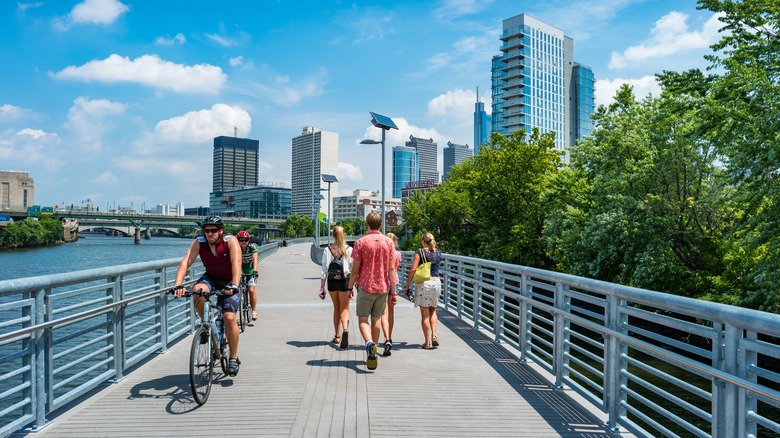
The most walkable cities in the US make travel easier, cheaper, and more enjoyable. In places like New York, Boston, San Francisco, and Chicago, visitors can stay in a central neighborhood, walk to restaurants and attractions, and use transit for longer distances without dealing with rental cars, parking, or traffic. That makes walkability more than a lifestyle perk. For travelers, it can shape the whole trip.
We’ve put together a guide to the best walkable cities in the US for travelers. You’ll see which cities are easiest to explore without a car, the best neighborhoods, and what to expect when planning a trip built around walking rather than driving.
The Rise of Walkable Cities in America
More travelers are choosing destinations where they can do more on foot.
Part of that is practical. Renting a car in a major city often means extra costs for parking, gas, tolls, and hotel fees. In a walkable destination, many of those problems disappear. You can arrive, check in, and start exploring without needing a car.
There is also a different kind of travel experience in a walkable city. You notice more when moving on foot. Side streets, cafés, bookstores, architecture, and neighborhood character become part of the trip instead of something you pass by through a windshield. That slower, more direct way of seeing a city is a big part of the appeal.
Why Americans Are Ditching Their Cars
For visitors, the biggest advantage is flexibility.
A walkable city makes it easier to build a day naturally. You can leave your hotel, stop for coffee, visit a museum, wander through a park, and decide what to do next as you go. That works especially well for weekend trips and short city breaks where time is of the essence.
Cost is another reason. Rental cars, overnight parking, and repeated rideshare trips can add up quickly. In cities with strong public transit and dense central neighborhoods, travelers can avoid those costs and still reach most of what they want to see.
Health and Environmental Benefits of Walking
Walking also changes the feel of a trip.
Cities explored on foot tend to feel more memorable because you experience them at street level. Even simple parts of the day, like heading to breakfast or walking back after dinner, become part of the travel experience. Many visitors also like that walking keeps them active without needing to plan around it.
There is a broader benefit too. Reducing car use in dense cities helps cut traffic and pollution, especially in areas already crowded with vehicles. That does not just improve the visitor experience. It also supports the kind of urban environment that makes pedestrian travel more enjoyable in the first place.
Economic Advantages of Pedestrian Cities
Walkable destinations often offer better travel value.
That does not always mean they are cheap, but they can be more efficient. A centrally located hotel may cost more per night, yet save money overall by reducing transportation costs and wasted time. When restaurants, attractions, and transit are all nearby, travelers get more out of one location.
That convenience matters. In compact, pedestrian-friendly neighborhoods, visitors spend less time figuring out how to get places and more time actually enjoying the city.
America’s Most Walkable Cities by Region
Some American cities are simply much easier to visit without a car.
Walk Scores help show why. San Francisco leads major US cities with a Walk Score of 89, followed by New York at 88. Boston, Chicago, and Miami also rank strongly. For travelers, those numbers usually reflect something simple: whether attractions, food, transit, and daily essentials connect naturally enough to make walking realistic.
East Coast Walkable Cities
New York remains one of the easiest cities in the country to explore without a car. In much of Manhattan, visitors can walk between hotels, restaurants, museums, parks, and major landmarks, then use the subway when needed. Neighborhoods like Greenwich Village, SoHo, and the Upper West Side work especially well for travelers who want to combine sightseeing with wandering.
Boston is another strong choice because of its compact layout and older street pattern. Back Bay, Beacon Hill, and downtown make it easy to walk between historic sites, shops, and restaurants. Philadelphia also works well for travelers, especially around Old City, Center City, and Rittenhouse Square. Washington, DC adds another strong option, particularly for visitors focused on museums, monuments, and neighborhood-based exploring.
West Coast Pedestrian-Friendly Cities
San Francisco is one of the best US cities for travelers who want a car-free trip. Its neighborhoods each offer a different feel, and many of the city’s most interesting areas can be explored on foot or with short transit rides. The Mission, North Beach, Union Square, and the waterfront are all strong areas depending on what kind of trip you want.
Seattle is another practical choice. Visitors staying near downtown, Pike Place Market, or Capitol Hill can do a lot without a car, and the light rail connection from the airport makes arrival easier than in many US cities. Oakland can also work well in more central neighborhoods, especially for travelers looking for an urban trip with strong local character.
Midwest and Southern Walkable Cities
Chicago combines strong walkability with major attractions. Visitors can stay near downtown and easily reach architecture tours, museums, the lakefront, restaurants, and shopping without driving. The transit system helps extend what is practical on foot.
Miami is more area-specific, but Miami Beach gives travelers a good mix of walking, dining, nightlife, and beach access. New Orleans also deserves mention for travel purposes. The French Quarter and nearby areas create the kind of on-foot experience many visitors are looking for, even if the whole city is not equally walkable.
What to Expect When Visiting a Walkable City
Car-free travel still works best with realistic expectations.
A city may score well overall but still be much easier to navigate in some neighborhoods than others. That means where you stay matters just as much as which city you choose. A good hotel location can make a trip feel smooth and easy. A poor one can turn it into constant transit planning.
Daily Life Without a Car
For travelers, going without a car is easier than it is for full-time residents.
You are not commuting or handling everyday errands. You are mostly trying to reach places worth seeing. That makes walking much more practical during travel. Still, distance, weather, and comfortable shoes matter more than many people expect.
Access to Amenities and Services
The best travel neighborhoods put essentials close together.
That usually means cafés, casual food, pharmacies, transit stops, and at least a few attractions are all within a short walk. For visitors, this makes the day less rigid. You do not need to plan every detail in advance because useful places are already nearby.
Public Transit Systems and Alternatives
Even the most walkable cities work better when transit fills the longer gaps.
New York’s subway, Boston’s T, Chicago’s trains, Washington’s Metro, and Seattle’s light rail all help make car-free trips realistic. For travelers, the ideal setup is usually a mix of both. Transit handles the longer jumps, and walking covers everything in between.
Cost Differences Compared to Car-Dependent Cities
A walkable trip can also save money where driving is expensive.
Instead of paying for a rental car, hotel parking, and frequent rideshares, travelers can often put that money toward a better hotel location, meals, or activities. In that sense, walkability improves not just convenience, but how far your budget goes.
Finding Your Perfect Walkable Neighborhood
The city matters, but the neighborhood matters just as much.
A strong walkability reputation does not mean every area works equally well for visitors. The best trips usually come from staying in a district where attractions, restaurants, and transit overlap. That gives you more freedom and makes spontaneous exploring much easier.
Using Walk Score to Research Areas
Walk Score is a useful starting point because it shows how easily places connect on foot.
Still, travelers should look beyond the number. A neighborhood may score well but not fit the trip you actually want. It helps to check whether the area has restaurants nearby, how close it is to transit, and whether the places you plan to visit are easy to reach from there.
Best Neighborhoods for First-Time Urban Walkers
Greenwich Village in New York, Back Bay in Boston, Center City in Philadelphia, and central Chicago are all strong picks for first-time visitors who want to explore on foot.
These areas reward casual wandering. You can leave with only a loose plan and still have a good day, which is one of the clearest signs that a neighborhood really works for walking.
Balancing Walkability with Affordability
The most walkable neighborhoods often cost more, but they can still offer better value overall.
Paying more for a central stay may save time and transportation costs, especially on shorter trips. For many travelers, being close to the places they actually want to see matters more than choosing the cheapest possible hotel farther out.
Is a Walkable City Right for You?
The best walkable cities in the US are ideal for travelers who want to see more and drive less. They make it easier to build a trip around neighborhoods, landmarks, restaurants, and public spaces instead of traffic, parking, and route planning. If you want a city break that feels flexible and easier to manage, walkability matters more than many travelers realize.
More time on foot, however, also means more interaction with intersections, turning vehicles, bikes, and rideshare traffic, especially in busy downtown areas. That usually feels routine, but visitors are still navigating unfamiliar streets. When a driver is distracted or fails to yield, the outcome can be serious. Depending on the severity of the injuries and the quality of legal representation, payouts for pedestrians hit by a car can range from $5,000 to $1,000,000.
That does not make walkable travel less appealing. It just means the best experience comes from choosing a neighborhood that feels not only convenient, but also comfortable and safe to navigate on foot. Walk the area, test your likely routes, and pay attention to how the streets actually function. In the right city and the right neighborhood, exploring without a car