



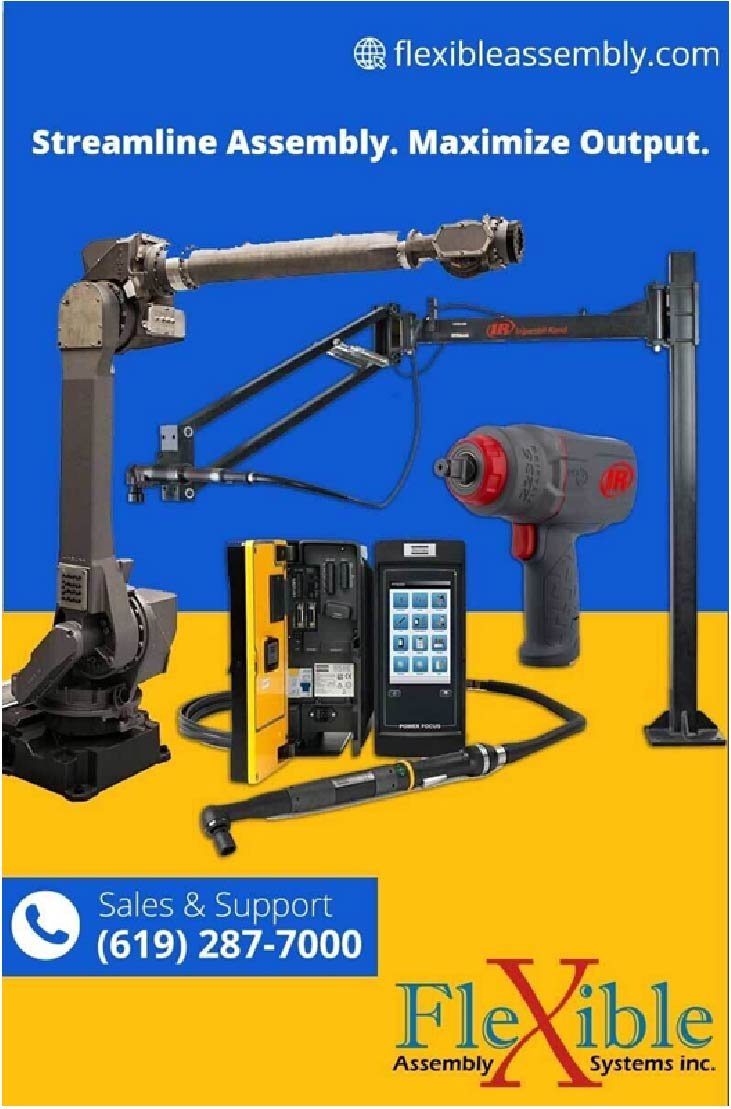
Industrial production demands massive kinetic force. Heavy structural joints require extreme tension to prevent spontaneous failure. Facility managers face a persistent operational dilemma constantly. They must select equipment that balances absolute mechanical power with technician mobility. This precise selection determines overall factory efficiency. A tethered pneumatic device delivers continuous force but restricts movement severely. A battery powered tool allows total freedom but relies on finite chemical reserves. Let us evaluate both systems to optimize your hardware deployment.
Physics of Rotational Force Delivery
Heavy mechanical attachment relies on sudden kinetic strikes. An internal hammer mechanism rotates rapidly and strikes an anvil. This sudden collision transfers immense sudden torque to the target fastener. This distinct mechanical action avoids continuous torque transfer to the operator. The wrist remains safe from violent rotational twists. Heavy industrial sectors rely heavily on this specific architectural design to assemble massive steel frames safely.
Pneumatic Infrastructure and Sustained Force
Air driven equipment forms the backbone of traditional mass production. Massive compressors push pressurized atmosphere through extensive pipe networks. This continuous air flow drives the internal rotors with relentless consistency. Operators attach rigid hoses to pneumatic Impact Wrenches to access this unlimited power grid.
These pneumatic devices contain very few delicate internal components. They survive drops onto concrete floors easily. The lack of an internal electric motor prevents heat accumulation under heavy loads. A technician can operate the exact same pneumatic driver for a full eight hour shift without a single thermal interruption. However the heavy air hose creates a severe physical tether. The worker cannot move beyond the hose radius easily. The thick rubber line also creates a persistent trip hazard across the concrete floor.
Chemical Energy Storage and Total Freedom
Modern lithium ion batteries changed industrial hardware limits completely. Direct current motors draw power from dense chemical cells. This architecture removes the oppressive pneumatic hose entirely. Field technicians climb tall structures with Cordless Impact Wrenches attached safely to their utility belts. Mobility increases dramatically when you remove the physical tether constraint.
Direct current brushless motors provide massive instant torque delivery. Magnetic fields spin the internal anvil with zero physical brush friction. This specific motor design extends the battery life drastically. However chemical batteries drain steadily as work progresses. A depleted cell reduces the maximum force output severely. The technician must swap the dead battery for a fresh unit constantly to maintain target parameters.
Base Infrastructure Comparison
Air driven tools require massive initial capital expenditure. A factory must purchase industrial rotary screw compressors and extensive copper pipe networks. The facility pays continuous electrical costs to keep the main pressure tanks full. Atmospheric moisture requires specialized external dryers to protect the internal tool steel.
Battery tools require minimal localized infrastructure. You simply place small electrical charge stations near the primary work zones.
- Line workers access fresh batteries instantly.
- Facilities bypass expensive compressed air pipe installations.
- Supervisors isolate precise power consumption accurately.
- Remote locations operate without heavy diesel compressor trailers.
Torque Calibration and Force Control
Precision remains vital across heavy assemblies. Massive output power requires strict restraint. Overly tight bolts snap under extreme thermal expansion stress. Loose joints vibrate apart rapidly. You must balance maximum kinetic force with strict numerical measurement.
Pneumatic drivers utilize precise pressure regulators. Mechanics dial specific atmospheric pressure limits at the wall manifold. The motor stalls precisely when physical resistance equals pneumatic pressure.
Electronic cordless units employ advanced digital microprocessors. Internal sensors detect rotational resistance instantly. The control board shuts down direct current flow exactly at the specified limit. This digital cutoff prevents severe component destruction effectively.
Acoustic Sound Emissions and Occupational Safety
Industrial equipment generates severe noise pollution. A metal hammer strikes a steel anvil thousands of times per minute. This violent mechanical collision produces loud severe decibels. Factory managers must protect sensitive human ears from permanent physical damage.
Pneumatic devices exhaust high pressure air violently. The sudden rapid expansion of compressed atmosphere creates continuous loud shrieks. You must require thick protective earmuffs on the factory floor always.
Battery tools operate much quieter overall. Direct brushless motors spin silently. The operator only hears the internal metal strikes. The total elimination of exhaust sounds protects the operator considerably.
Hardware Lifespan and Degradation Profiles
Every mechanical mechanism degrades under heavy industrial strain. Internal metallic gears shear. Synthetic seals rupture. You must anticipate equipment mortality rates accurately to maintain production quotas.
- Pneumatic Equipment: These devices possess immense longevity. The internal mechanisms consist mostly of solid steel blocks and simple air vanes. Regular oil drops prevent internal rotor friction successfully. A well maintained air driver survives for decades.
- Battery Equipment: These electronic devices feature a compressed lifespan. The chemical battery cells lose total charge capacity after a thousand cycles. The complex internal circuit boards fail when subjected to severe sudden shocks. You must replace the expensive lithium cells frequently to sustain peak physical output.
Technician Ergonomics and Operator Health
Worker fatigue destroys final product quality systematically. Heavy equipment drains human endurance rapidly. A tired worker ignores proper procedural steps.
An air tool feels incredibly light in the hand. The main power source remains bolted to the factory floor. The operator only lifts the hollow metal shell and the internal hammer. Yet the thick rubber hose pulls constantly against the wrist. This hose drag causes subtle muscular strain over an extended duration.
A battery driver removes the restrictive hose entirely. The operator maneuvers the device into tight geometric spaces effortlessly. But the heavy lithium cell adds substantial static weight to the tool base. The technician lifts this dense chemical mass with every single cycle. This constant dead weight accelerates shoulder fatigue significantly.
Tactical Cost Analysis
Managers must evaluate the total life cycle expenditure. Initial purchase prices rarely reflect the true operational cost. Analyze the parameters below to determine your optimal hardware path.
| Metric Profile | Pneumatic Air Tool | DC Battery Tool |
| Initial Unit Cost | Very Low | High |
| Infrastructure Need | Massive | Minimal |
| Mobility Range | Restricted | Unlimited |
| Power Decay | Zero | Moderate |
| Maintenance Effort | Low | High |
Use this direct data table to guide your immediate procurement strategy. A fixed assembly line benefits from cheap pneumatic tools. A dynamic maintenance crew demands expensive battery units.
Why Choose Flexible Assembly Systems
Industrial production demands elite hardware partners. We supply optimized mechanical solutions to massive factory environments. Our technical experts assess your specific floor layout meticulously. We identify precise kinetic requirements and formulate exact equipment parameters.
Our massive inventory features robust devices suited for severe punishment. We stock premium air tools alongside advanced direct current battery equipment. We ship heavy hardware replacements quickly to prevent expensive structural delays. You avoid massive profit losses when you rely on our logistical network safely. Our internal metrology laboratory calibrates every device exactly to standardized specifications. We issue certified documentation to satisfy strict corporate safety auditors.
Conclusion
Hardware selection dictates your ultimate factory success or failure. You must evaluate your specific mobility requirements against your total power demands. Air systems provide relentless cheap power but restrict physical movement completely. Battery platforms deliver immense freedom but require constant chemical cell replacements. Analyze your specific production parameters. Match the exact physical tool to the specific structural task to achieve flawless operational efficiency.