



The Environmental Impact of Disposables
Disposable sanitary pads contribute significantly to landfill waste. Billions of these products are used and discarded annually, with many containing plastics that take centuries to break down. This constant cycle of use and disposal creates a substantial environmental burden. Choosing non disposable sanitary pads offers a direct way to combat this growing problem.
What Constitutes a Non Disposable Sanitary Pad?
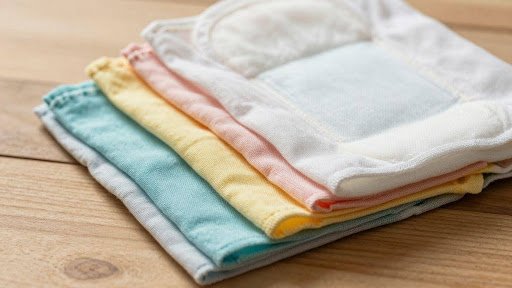
A non disposable sanitary pad, often called a reusable pad, is a washable alternative to single-use menstrual products. These pads are designed with absorbent layers that can be cleaned and reused multiple times. They typically consist of a soft top layer, an absorbent core, and a waterproof backing to prevent leaks. The goal is to provide effective period protection while minimizing waste.
Materials Used in Reusable Pads
Reusable pads are commonly made from natural and sustainable materials. Organic cotton and bamboo are popular choices for the top and absorbent layers due to their softness and breathability. The waterproof backing is often PUL (polyurethane laminate), a fabric that is both waterproof and breathable. These materials are chosen for comfort, absorbency, and their lower environmental impact compared to the synthetics found in many disposable options. Reusable pads offer a gentle yet effective solution.
Benefits of Choosing Reusable Pads
Long-Term Cost Savings
While the initial purchase of reusable sanitary pads might seem like a bigger expense, think of it as an investment. Disposable pads add up, month after month, year after year. A good set of reusable pads, however, can last for several years with proper care. This means you’re not constantly buying new products, leading to significant savings over time. It’s a smart financial move for anyone looking to cut down on recurring expenses.
Reduced Waste and Environmental Footprint
This is where reusable pads really shine for eco-minded shoppers. Disposable pads are a major source of landfill waste, often containing plastics that take centuries to break down. By switching to reusable sanitary pads, you drastically cut down on the amount of waste you produce each month. It’s a direct way to lessen your personal environmental footprint and contribute to a healthier planet. Choosing reusable pads is a clear step towards a more sustainable lifestyle.
Improved Comfort and Breathability
Many people find reusable sanitary pads far more comfortable than their disposable counterparts. Materials like organic cotton or bamboo are naturally soft and breathable. Unlike plastic-laden disposables, these natural fibers allow air to circulate, which can reduce irritation and discomfort. This breathability makes a noticeable difference, especially during longer wear times or on warmer days. Many users report feeling less clammy and more comfortable overall when using reusable pads.
Health and Wellness Advantages
Hypoallergenic and Antimicrobial Properties
Many conventional disposable pads are made with synthetic materials and can contain fragrances or bleaches. These additives can sometimes lead to irritation, rashes, or allergic reactions, especially for those with sensitive skin. Reusable sanitary pads, particularly those made from natural fibers like bamboo or organic cotton, are often naturally hypoallergenic. This means they are less likely to cause an adverse skin reaction. The inherent antimicrobial properties of materials like bamboo also help inhibit the growth of odor-causing bacteria, contributing to a fresher feeling throughout the day. Choosing reusable pads means opting for a gentler approach to managing your period.
Avoiding Harsh Chemicals and Synthetics
When you switch to reusable sanitary pads, you’re actively choosing to reduce your exposure to potentially harsh chemicals. Disposable products can sometimes contain plastics, dioxins (from bleaching processes), and synthetic fragrances. These can be absorbed through the skin or cause irritation. Reusable pads, on the other hand, are typically made from natural, breathable fabrics. This conscious choice helps you avoid unnecessary synthetic exposure during your menstrual cycle. It’s a step towards a more natural and body-friendly period care routine.
Gentle Care for Sensitive Skin
For individuals with sensitive skin, managing periods can sometimes feel like a constant battle against irritation. The materials in disposable pads can be abrasive or trigger reactions. Reusable sanitary pads offer a softer, more breathable alternative. The natural fibers used in many reusable pads are gentle against the skin, reducing the risk of chafing and discomfort. This makes them a much more comfortable option for daily wear, especially during heavier flow days. Making the switch can lead to a noticeably more comfortable and irritation-free period.
Comparing Non Disposable Sanitary Pads to Other Options
Reusable Pads Versus Period Underwear
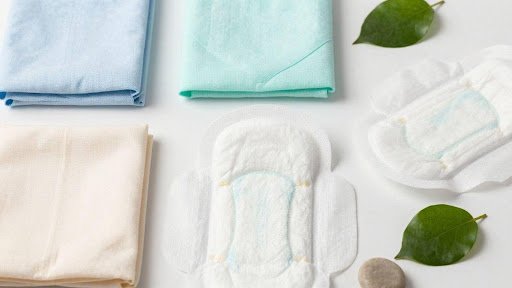
When looking at reusable options, period underwear is a popular choice. These garments have built-in absorbency, acting like regular underwear but with added protection. They’re designed for comfort and convenience, moving with the body and offering reliable leak protection for various flows. Many users find them freeing, especially for overnight use or busy days.
However, reusable pads offer a different kind of familiarity. They mimic the feel of traditional pads but without the waste. For those transitioning from disposables, reusable pads can feel like a more natural first step. They don’t require a complete wardrobe change like period underwear might, making them an easy entry point into sustainable menstrual care.
Ultimately, the choice between reusable pads and period underwear often comes down to personal preference and comfort level. Both significantly reduce waste compared to disposables. Period underwear offers an all-in-one solution, while reusable pads provide a familiar form factor with the same eco-friendly benefits. Many people find using both types of products works best for different situations.
Reusable Pads Versus Menstrual Cups
Menstrual cups are another reusable option, typically made from medical-grade silicone. They are inserted internally to collect menstrual fluid and can last for many years, offering a very low environmental impact. Cups are known for their long-term cost-effectiveness and ability to hold a large volume of fluid, often requiring less frequent changes than pads.
Reusable pads, on the other hand, are worn externally. They offer a more traditional pad experience, which many find more comfortable and less intimidating than internal products. While cups are highly sustainable, the process of insertion and removal, along with cleaning, can be a barrier for some. Reusable pads provide a simpler, external solution that many find easier to manage.
For those who prefer not to use internal menstrual products, reusable pads are a clear winner. They offer a comparable experience to disposable pads but with significant environmental and cost benefits. Menstrual cups are fantastic for sustainability, but the learning curve and internal nature might not suit everyone.
Why Pads Remain a Popular Choice
Reusable pads offer a unique blend of familiarity and sustainability. They provide the comfort and ease of use associated with traditional pads, but without the environmental burden of single-use plastics. This makes them an accessible entry point for many individuals looking to reduce their waste.
Compared to period underwear, reusable pads offer a more direct replacement for disposable pads, requiring less adjustment in daily routine. While menstrual cups are highly eco-friendly, their internal nature and cleaning requirements can be a deterrent for some users. Reusable pads strike a balance, offering a simple, external solution that is both effective and environmentally conscious.
Reusable pads are a smart choice because they are easy to use, simple to care for, and significantly cut down on waste. They represent a practical step towards more sustainable menstrual hygiene without demanding a drastic lifestyle change. This makes them a consistently popular option for eco-minded shoppers.
Making the Switch to Non Disposable Sanitary Pads
Selecting the Right Absorbency and Size
Choosing non disposable sanitary pads might seem a bit daunting at first, but it’s really about finding what works best for your body and your flow. Think about your typical period days. Do you have light spotting, a moderate flow, or heavy days where you need extra protection? Reusable pads come in various absorbency levels, much like their disposable counterparts. You’ll find options ranging from panty liners for very light days to overnight pads designed for maximum coverage. It’s smart to get a mix to cover all your bases.
Beyond absorbency, size matters too. Pads come in different lengths and shapes. Some are wider in the back for better security, especially when sleeping. Consider your underwear style as well; a pad that fits well in one type of underwear might shift in another. Many brands offer starter packs that include a variety of sizes, which is a great way to experiment and figure out your perfect fit. Getting the right size and absorbency for your non disposable sanitary pads means you’ll feel more confident and comfortable throughout your cycle.
Don’t be afraid to try a few different types or brands initially. What feels best for one person might not be the same for another. The goal is to find reusable pads that feel secure, comfortable, and provide the protection you need, making the transition smooth and successful. This thoughtful selection process is key to a positive experience with non disposable sanitary pads.
Caring for Your Reusable Pads
Caring for non disposable sanitary pads is simpler than many people imagine. After use, the first step is usually a quick rinse in cold water to remove the bulk of the menstrual fluid. This helps prevent staining and makes washing easier. Avoid hot water initially, as it can set stains. Then, you can either hand wash them with a mild, bleach-free detergent or toss them into your washing machine along with your regular laundry.
When washing, it’s best to use a gentle cycle and a mild soap. Avoid fabric softeners and harsh chemicals, as these can degrade the fabric’s absorbency and potentially irritate sensitive skin. After washing, air drying is generally recommended. You can hang them on a drying rack or clothesline. While some people might tumble dry on a low setting, air drying is gentler and helps prolong the life of your reusable pads. Proper care is what makes non disposable sanitary pads a long-term solution.
With consistent, gentle care, your non disposable sanitary pads can last for several years, often outlasting disposable options by a significant margin. This longevity is a huge part of their cost-effectiveness and environmental benefit. Think of it as an investment in a more sustainable and comfortable period.
The Ease of Use and Maintenance
Many people hesitate to switch to non disposable sanitary pads because they worry about the hassle. However, the reality is that using and maintaining them is quite straightforward. Once you get the hang of the rinsing and washing routine, it becomes second nature, much like doing any other laundry. The initial adjustment period is usually short, and most users find the benefits far outweigh any perceived inconvenience.
Using them is just like using a disposable pad: place it in your underwear and secure it with the snaps or wings. When it’s time for a change, fold the soiled pad in on itself and store it in a wet bag or a designated pouch until you can rinse and wash it. This makes them perfectly portable for use on the go. The maintenance involves simple washing steps that integrate easily into a household’s regular chores.
Ultimately, the ease of use and maintenance of non disposable sanitary pads makes them a practical choice for everyday life. They offer a sustainable alternative without demanding a complete overhaul of one’s routine. This practicality is a major reason why so many are making the switch to reusable period care.
Conscious Consumerism and Sustainable Choices
Supporting Eco-Friendly Brands
Choosing non disposable sanitary pads aligns with a broader movement towards conscious consumerism. Many brands are stepping up, focusing on sustainability from sourcing to packaging. These companies often prioritize ethical labor practices and transparent supply chains. When you buy from them, you’re not just getting a product; you’re supporting a business model that values the planet and its people. It’s about making informed decisions that reflect your values.
Look for brands that clearly state their commitment to eco-friendly materials and production. This might include using organic cotton, bamboo, or recycled components. Supporting these businesses sends a message that sustainability matters to consumers. It encourages more companies to adopt similar practices, creating a ripple effect in the market. This conscious choice helps drive positive change.
The Role of Certifications
Certifications act as a helpful guide when selecting non disposable sanitary pads. Standards like GOTS (Global Organic Textile Standard) or OEKO-TEX indicate that the materials used have been tested for harmful substances and produced with environmental responsibility in mind. These labels offer a level of assurance that you’re getting a product that is safe for your body and kinder to the earth. They simplify the process of identifying genuinely sustainable options.
When you see these certifications, it means a third party has verified the claims made by the brand. This adds a layer of trust, especially when navigating the many options available. It’s a way to cut through marketing jargon and find products that meet rigorous environmental and health standards. Certifications are a practical tool for the eco-minded shopper.
A Smarter Choice for the Planet
Ultimately, opting for non disposable sanitary pads is a smart choice for anyone concerned about their environmental footprint. The reduction in waste alone is significant. Think about the sheer volume of disposable products that end up in landfills or oceans each year. Reusable pads offer a direct way to combat this problem, one cycle at a time. It’s a tangible action that contributes to a healthier planet.
Beyond waste reduction, the materials often used in reusable pads, like organic cotton or bamboo, are more sustainable to produce than the plastics and chemicals found in disposables. This means less pollution and fewer resources consumed over the product’s lifespan. Making the switch is a practical step towards a more sustainable lifestyle. It’s a simple yet powerful way to make a difference.
Making the Switch: A Smarter Choice for You and the Planet
So, when you look at it all, going with reusable sanitary pads just makes sense for people who care about the environment. They cut down on waste, save money over time, and are often way more comfortable than the disposable kind. Plus, they don’t have all those questionable chemicals. While other options like period underwear and cups are great too, reusable pads are a really easy way to start making a difference. It’s a simple change that adds up, helping you manage your period in a way that’s better for your body and the earth.