


Hearing that you or your child may need spine surgery can feel scary. Many people ask the same thing: Is it safe? This is a fair question, especially when it comes to procedures for Scoliosis.
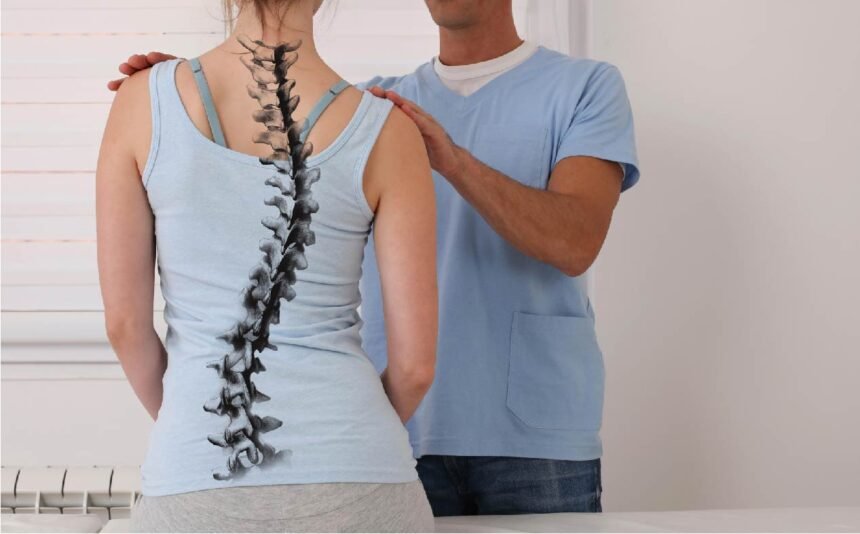
Scoliosis means the spine curves to the side instead of staying straight. In mild cases, it may not cause problems. But when the curve gets worse, doctors may suggest treatment, including surgery.
Today, modern scoliosis procedures are safer than ever. New tools, better training, and improved care have helped reduce risks. Still, like any medical procedure, there are things you should understand before moving forward.
What Is Scoliosis and When Are Procedures Needed?
How Spinal Curvature Affects the Body
In scoliosis, the spine curves in a “C” or “S” shape. This can affect posture, balance, and sometimes breathing.
If the curve becomes severe, it can press on the lungs or cause pain. That’s when doctors may consider more serious treatment.
Signs That Treatment May Be Required
Doctors look for signs like:
- A curve that keeps getting worse
- Uneven shoulders or hips
- Back pain that doesn’t go away
- Trouble breathing in severe cases
If these signs appear, further evaluation is needed.
Types of Scoliosis Procedures Explained
Non-Surgical Options Like Bracing
Not all cases need surgery. In children and teens, doctors often use braces to stop the curve from getting worse.
Bracing works best when the spine is still growing.
Common Surgical Procedures for Scoliosis
When surgery is needed, the most common option is Spinal Fusion.
In this procedure, doctors join two or more bones in the spine. They use rods, screws, and bone grafts to hold the spine in a straighter position.
Newer methods may also include growth-friendly techniques for younger children.
When Do Doctors Recommend Surgery?
Curve Severity and Progression
Doctors measure the curve using imaging tests. If the curve is large and keeps getting worse, surgery may be the best option.
Impact on Breathing and Daily Life
If scoliosis starts to affect breathing or daily activities, surgery may be needed sooner.
The goal is to prevent long-term damage and improve quality of life.
How to Prepare for a Scoliosis Procedure
Medical Tests and Evaluations
Before surgery, doctors run tests like:
- X-rays
- Blood tests
- Heart and lung checks
These help make sure the patient is ready for surgery.
What Patients and Families Should Expect
Preparation also includes:
- Talking with the surgical team
- Understanding the procedure
- Planning for recovery at home
Knowing what to expect can reduce stress and improve outcomes.
What Happens During Scoliosis Surgery
Step-by-Step Overview of the Procedure
During spinal fusion surgery, the surgeon:
- Makes an incision along the back
- Places metal rods and screws
- Straightens the spine as much as possible
- Uses bone grafts to fuse the vertebrae
The surgery can take several hours, depending on the case.
Tools and Techniques Used by Surgeons
Modern surgery uses advanced tools like:
- Real-time imaging
- Computer-guided navigation
- Nerve monitoring systems
These tools help surgeons work with more precision and reduce risks.
Recovery After Scoliosis Procedures
Hospital Stay and Early Healing
Most patients stay in the hospital for a few days after surgery.
Doctors monitor pain, movement, and healing. Patients are usually encouraged to start walking soon after surgery.
Physical Therapy and Long-Term Care
Recovery continues at home. Physical therapy helps improve strength and flexibility.
Full recovery can take several months, but most people return to normal activities over time.
Risks and Possible Complications
Common Side Effects After Surgery
Even though modern procedures are safe, some risks still exist. Common side effects include:
- Pain or discomfort
- Swelling around the incision
- Temporary stiffness
These usually improve as the body heals.
When to Contact a Doctor
More serious risks are rare but important to know. These include:
- Infection
- Bleeding
- Nerve damage
Doctors take steps to prevent these issues, such as using sterile techniques and monitoring nerves during surgery.
If symptoms like fever, severe pain, or weakness appear, medical help should be sought right away.
Results and Long-Term Outcomes
How Procedures Improve Spine Alignment
Scoliosis procedures can greatly improve the shape of the spine. This helps with posture and balance.
In many cases, the curve is reduced and stopped from getting worse.
Quality of Life After Treatment
Most patients report better quality of life after recovery. They can move more freely and feel more confident.
Pain often improves, and daily activities become easier.
Scoliosis Procedures for Different Age Groups
Treatment in Children and Teenagers
In younger patients, doctors may use special techniques that allow the spine to keep growing.
Early treatment can prevent severe curves later in life.
Scoliosis Care in Adults
Adults may need surgery if the curve causes pain or affects movement.
Treatment plans are adjusted based on age, health, and lifestyle.
Conclusion
Modern scoliosis procedures have come a long way. With advanced tools and skilled surgeons, these treatments are now safer and more effective than ever before.
Still, it’s normal to feel concerned. Understanding the risks, benefits, and recovery process can help you make informed decisions.
If you or your child has scoliosis, talk to a qualified doctor. Early care, proper planning, and the right treatment can lead to better outcomes and a healthier future.