



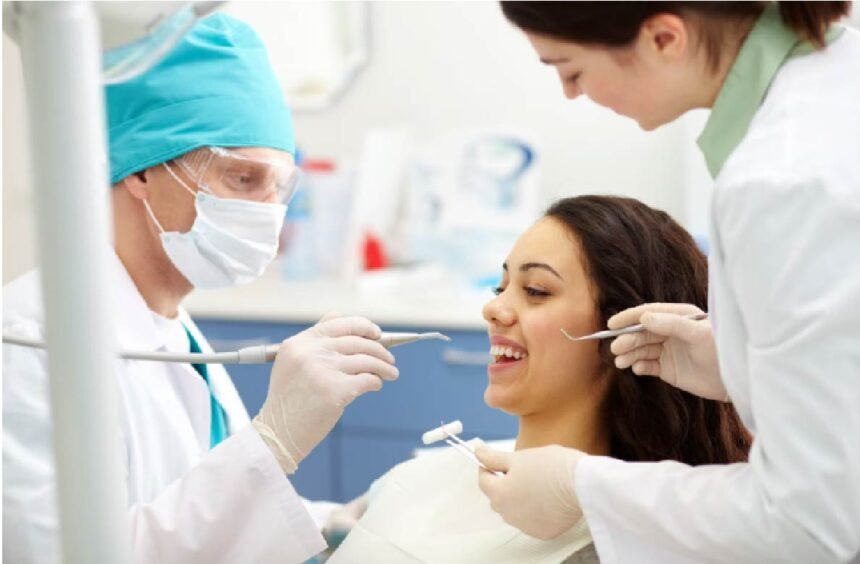
Toothache never comes at the right time, and it usually begins as a minor pain that is easy to overlook. But within hours, that discomfort may rapidly escalate into acute pain, swelling, and difficulty in eating and speaking.
Some individuals delay treatment, hoping that the problem will resolve itself, but this usually results in more complicated problems.
On the other hand, early intervention not only alleviates pain in a shorter time but also helps minor issues from turning into major ones. In addition, timely care would keep your oral health at a consistent level and minimize the chances of permanent damage.
This article discusses the importance of early access to emergency dental care to safeguard your oral health.
1. Immediate Pain Relief and Comfort Restoration
When dental pain strikes, it can disrupt every part of your day, from eating to sleeping. By consulting an emergency dentist as soon as possible, you can deal with the actual cause of pain, rather than relying on a temporary solution.
Pain is usually an indicator of the presence of underlying problems like infection, decay, or trauma. When neglected, the pain is more likely to increase instead of disappear. Early intervention makes sure that the source is treated before it escalates.
In addition, the early treatment eliminates the necessity of more powerful drugs or more invasive treatment in the future. This makes you feel comfortable within a short time and prevents long-term suffering that may interfere with your day-to-day life.
2. Prevention Of Infection Spread
Dental infections hardly remain in a single area. Rather, when untreated, they are able to transmit to the nearby teeth, gums, and even other body parts. Early emergency treatment can prevent the spread of the infection.
As an example, a basic untreated cavity might lead to an abscess, which might result in swelling, fever, and acute pain. At this point, the treatment is more complicated and can include more procedures.
Early action helps to minimize the chances of complications and safeguard not only your teeth but also your health in general. Moreover, early intervention reduces the risks of general health problems associated with oral infections.
3. Preservation Of Natural Teeth
The possibility of saving your natural teeth is one of the greatest advantages of early dental intervention. When the damage has progressed to an advanced level, it might be too late to save the tooth.
To give an instance, a tooth that has been broken or chipped can be repaired in most cases if it is treated promptly. Nonetheless, without treatment, it can escalate, causing an infection or structural damage that needs to be removed.
Early care is concentrated on conservative treatments that do not alter your natural tooth structure. As a result, you save on more complicated restorative processes and retain a better long-term oral performance.
4. Reduction In Treatment Complexity
Postponing treatment can easily turn a simple dental problem into a bigger challenge. As an example, a minor cavity that might be fixed by a simple filling might slowly enlarge and involve the inner layers of the tooth. As the condition worsens, it may require more advanced procedures such as root canal treatment or even extraction.
Early emergency dental care helps identify and prevent problems before they arise. This makes treatment less invasive and easier to control. Moreover, simpler procedures tend to have shorter appointments and faster recovery, so you do not need to be unnecessarily interrupted in your routine.
5. Lower Long-Term Costs
People put off dental visits due to cost considerations, but the cost of delaying treatment is normally more expensive in the future. A small dental problem addressed early will most likely be a straightforward, inexpensive procedure. Nevertheless, as the same issue develops, it can undergo numerous treatments, which add to the total expenses.
For instance, untreated decay can lead to infection, which may require root canal therapy, crowns, or even tooth replacement. These procedures are not only more complex but also significantly more expensive.
By seeking care early, you reduce the likelihood of needing extensive treatments. This helps you manage your dental expenses more effectively over time. Moreover, early intervention supports preventive care, which minimizes the chances of recurring problems and repeated costs.
6. Protection Of Overall Oral Health Stability
Oral health functions as a connected system, where one issue can influence several areas if left untreated. When a dental problem is ignored, it can gradually affect nearby teeth, gums, and even your bite alignment.
For example, ongoing pain may cause you to chew on one side of your mouth, leading to uneven pressure and additional strain on certain teeth. Over time, this imbalance can contribute to wear, discomfort, and further complications.
Early emergency care helps maintain stability by addressing issues before they spread or worsen. As a result, your teeth and gums remain healthier, and your bite stays properly aligned. This proactive approach supports long-term oral health and helps prevent a chain reaction of dental problems.
Conclusion
Ignoring dental pain or delaying treatment often leads to complications that could have been avoided with early care. Acting promptly not only relieves discomfort but also prevents infections, preserves natural teeth, and reduces the need for complex procedures.
In addition, early intervention helps manage costs and supports overall oral health stability. When you respond quickly to dental emergencies, you protect both your immediate comfort and your long-term well-being.
Making timely decisions ensures that small issues remain manageable and do not develop into serious concerns that impact your daily life.