



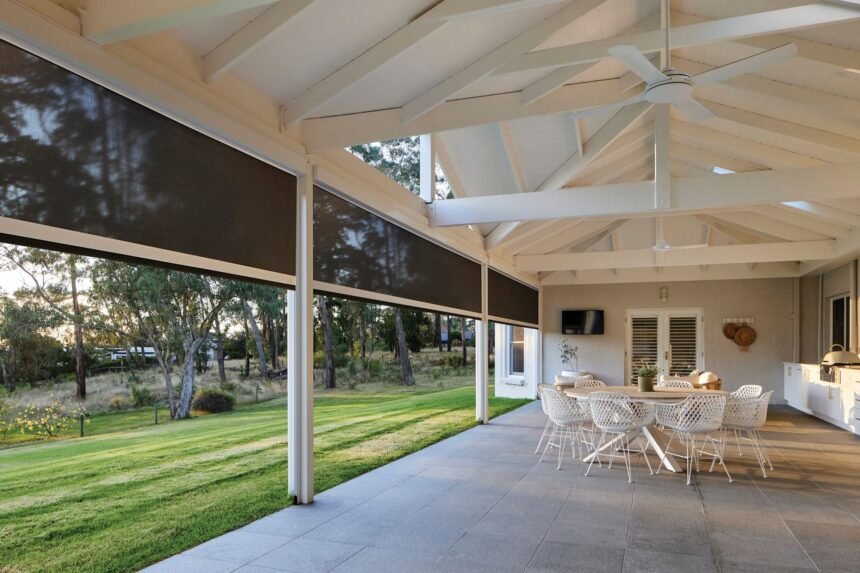
Outdoor blinds have revolutionised how Australians use their outdoor living areas, extending usability across all seasons and weather conditions. These versatile screening systems protect against wind, rain, insects, and harsh sun while maintaining views and airflow control. From enclosed verandahs to open patios, outdoor blinds transform underutilised spaces into comfortable rooms that serve year-round purposes without the expense of permanent construction.
Why Outdoor Blinds Dominate Australian Outdoor Living
Australian lifestyles centre on outdoor entertaining and relaxation, yet weather extremes often limit when these spaces remain comfortable. Summer heat makes unshaded areas unbearable, while winter wind and rain drive people indoors. Outdoor blinds solve these problems by creating adjustable barriers that adapt to changing conditions throughout the day and across seasons.
Modern outdoor blind systems operate smoothly with minimal effort. Track-guided designs prevent wind damage while maintaining consistent tension across the entire blind surface. Users raise or lower blinds in seconds, adjusting coverage as sun angles change or weather shifts. This flexibility proves far superior to fixed screens or permanent walls that cannot adapt to varying conditions.
The protection outdoor blinds provide extends furniture lifespan significantly. UV exposure fades fabric upholstery and degrades outdoor furniture materials rapidly. Wind-driven rain damages cushions and wooden surfaces. By blocking these elements, outdoor blinds preserve expensive outdoor furnishings while reducing cleaning and maintenance requirements. The investment in quality blinds pays dividends through protected assets and reduced replacement costs.
Material Options and Performance
Clear PVC remains the most popular outdoor blind material for good reason. These transparent panels maintain views while blocking wind and rain completely. The clarity allows natural light penetration, preventing enclosed spaces from feeling dark or confined. Quality PVC resists yellowing and cracking, maintaining transparency for years despite constant UV exposure and temperature fluctuations.
Mesh fabrics offer different advantages for specific applications. These woven materials block insects while allowing airflow, making them ideal for areas requiring ventilation without pest intrusion. Various mesh densities control sun penetration and privacy levels. Tighter weaves provide greater shade and privacy, while more open patterns maximise airflow and visibility.
Some outdoor blind systems combine multiple material options within single installations. Clear panels protect from weather on exposed sides while mesh screens provide ventilation and insect protection on sheltered aspects. This flexibility creates truly customised solutions that address each property’s unique requirements and orientations.
Residential Applications and Benefits
Outdoor residential blinds serve diverse purposes across different home areas. Verandah enclosures create additional living spaces that function as outdoor rooms during pleasant weather and protected retreats during harsh conditions. These enclosed areas suit entertaining, dining, or relaxation without committing to permanent room additions that require council approval and significant construction investment.
Deck and patio installations extend usability of these expensive outdoor features. Homeowners invest substantial sums creating beautiful deck areas that remain unused during large portions of the year due to weather limitations. Outdoor residential blinds transform these spaces into functional areas that deliver return on investment through increased usage across all seasons.
Poolside applications provide wind protection that makes swimming comfortable even on breezy days. The blinds also create privacy screens, particularly valuable for properties with nearby neighbours or street frontage. Families enjoy their pools without feeling exposed, while the blinds reduce debris blown into pool water, decreasing cleaning requirements and chemical usage.
Energy Efficiency and Comfort
Outdoor blinds contribute significantly to home energy efficiency by creating insulating barriers between indoor spaces and external conditions. Summer heat striking windows increases cooling loads and air conditioning costs. Blinds installed outside windows block this heat before it reaches glass, dramatically reducing solar gain and maintaining comfortable interior temperatures.
Winter applications prove equally valuable. Blinds trap air layers that insulate against cold winds, reducing heat loss through windows and doors. Enclosed outdoor areas adjacent to living spaces buffer homes against weather extremes, creating transition zones that moderate temperature transfer.
The comfort improvements outdoor blinds deliver extend entertaining seasons significantly. Protected areas remain usable during light rain, allowing gatherings to continue despite weather changes. Wind protection prevents candles from extinguishing and stops napkins from blowing away, while guests stay comfortable without wind chill discomfort.
Installation and Operation
Professional installation ensures outdoor blinds operate smoothly and withstand Australian weather conditions. Quality track systems must be precisely aligned and securely mounted to structural members capable of supporting wind loads. Poor installation leads to binding, uneven operation, and premature failure.
Modern blind systems incorporate spring-assisted or motorised operation for effortless control. Motorised options suit large installations or hard-to-reach locations, operating via remote control or smart home integration. These premium features add convenience while maintaining the reliability that outdoor blinds demand for year-round Australian use.