



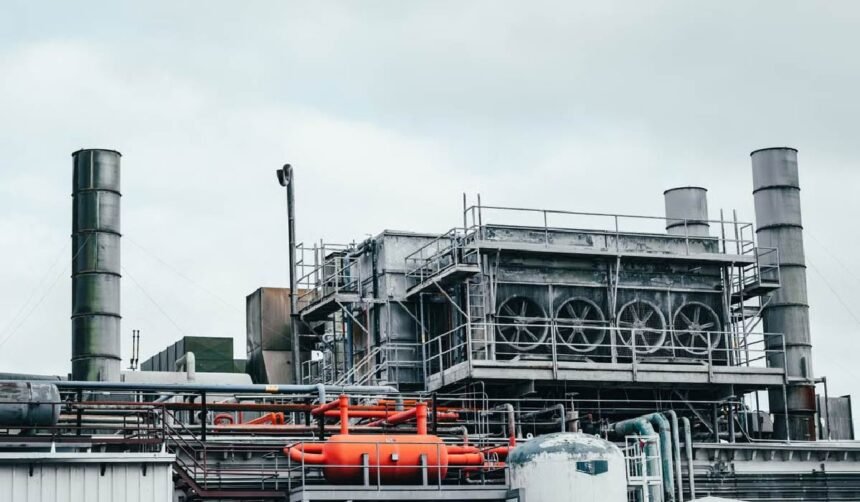
Industrial air filtration systems play a critical role in maintaining cleaner work environments, protecting equipment, and supporting operational efficiency. In manufacturing plants, workshops, processing facilities, and other industrial settings, airborne dust, fumes, and particulate matter can accumulate quickly if filtration systems are not functioning properly. While selecting a high-quality filtration system is important, ongoing maintenance is what keeps that system operating at its best.
Regular maintenance helps ensure that industrial air filtration equipment can effectively remove contaminants, maintain airflow, and support workplace safety. Organizations that prioritize maintenance often experience better system performance, lower operating costs, and fewer unexpected disruptions.
Maintaining Consistent Airflow
Airflow is one of the most important factors affecting filtration performance. Filters naturally collect contaminants over time, and as debris accumulates, airflow can become restricted. Reduced airflow makes it harder for the system to capture airborne particles efficiently.
Routine inspections allow maintenance teams to identify clogged filters before they significantly impact performance. Replacing or cleaning filters according to manufacturer recommendations helps maintain proper airflow levels and ensures contaminants are removed effectively.
Consistent airflow also supports worker comfort and helps production environments maintain the conditions necessary for daily operations. Without regular maintenance, declining airflow can reduce filtration efficiency and place extra strain on system components.
Extending the Life of Filtration Equipment
Industrial air filtration systems represent a significant investment for many businesses. Proper maintenance helps protect that investment by reducing wear and tear on critical components.
When filters become excessively dirty, fans and motors often need to work harder to move air through the system. This increased workload can accelerate component deterioration and shorten equipment lifespan. Regular filter replacement and system checks help prevent unnecessary stress on mechanical parts.
Facilities that follow preventive maintenance schedules often experience fewer equipment failures and can delay costly system replacements. Over time, these savings can have a meaningful impact on operational budgets while ensuring continuous filtration performance.
Improving Dust and Contaminant Capture
The primary purpose of an industrial filtration system is to capture airborne contaminants before they spread throughout the facility. However, neglected systems often struggle to perform at their intended capacity.
Regular maintenance includes inspecting filters, ductwork, collection bins, and airflow pathways. These inspections help identify issues that may reduce contaminant capture efficiency. Addressing small problems early prevents larger performance concerns from developing.
For facilities using diversitech industrial air filtration solutions, scheduled maintenance helps ensure that filtration equipment continues operating as designed. Clean filters, properly functioning fans, and unobstructed airflow pathways work together to maximize contaminant removal and improve overall air quality.
Effective contaminant capture not only supports employee well-being but also helps protect sensitive machinery from dust accumulation that can affect performance and reliability.
Reducing Energy Consumption
Energy efficiency is another important advantage of routine maintenance. Air filtration systems require power to move air through filters and collection mechanisms. When components become dirty or obstructed, the system must work harder to achieve the same results.
Clogged filters are one of the most common causes of increased energy usage. As resistance within the system rises, motors consume more electricity to maintain airflow. Over time, this additional energy consumption can increase operating costs considerably.
Regular filter replacement, cleaning, and equipment inspections help keep systems operating efficiently. Businesses that maintain their filtration systems frequently notice more stable energy usage and reduced utility expenses.
An efficient system not only lowers costs but also contributes to sustainability goals by reducing unnecessary energy consumption.
Supporting Workplace Safety and Compliance
Air quality plays a significant role in workplace safety across many industries. Excessive airborne dust, smoke, and fumes can create health concerns for employees and negatively impact productivity.
Routine maintenance helps ensure filtration systems are capable of controlling contaminants effectively. Regular inspections identify damaged filters, worn seals, or malfunctioning components that could allow pollutants to escape back into the work environment.
Many industries are also subject to workplace air quality requirements and safety regulations. Properly maintained filtration systems can support compliance efforts by helping facilities manage airborne contaminants more effectively.
A proactive maintenance strategy demonstrates a commitment to both employee well-being and operational excellence. Rather than responding to performance issues after they occur, businesses can address concerns before they impact safety or productivity.
Conclusion
Industrial air filtration systems are essential for controlling airborne contaminants and maintaining efficient operations. However, even the most advanced equipment requires ongoing care to deliver reliable results. Regular maintenance helps preserve airflow, improve contaminant capture, extend equipment life, reduce energy costs, and support workplace safety.
By implementing a consistent preventive maintenance program, businesses can maximize the value of their filtration systems while creating cleaner, more productive working environments. Over the long term, regular maintenance remains one of the most effective ways to protect both equipment performance and operational success.