



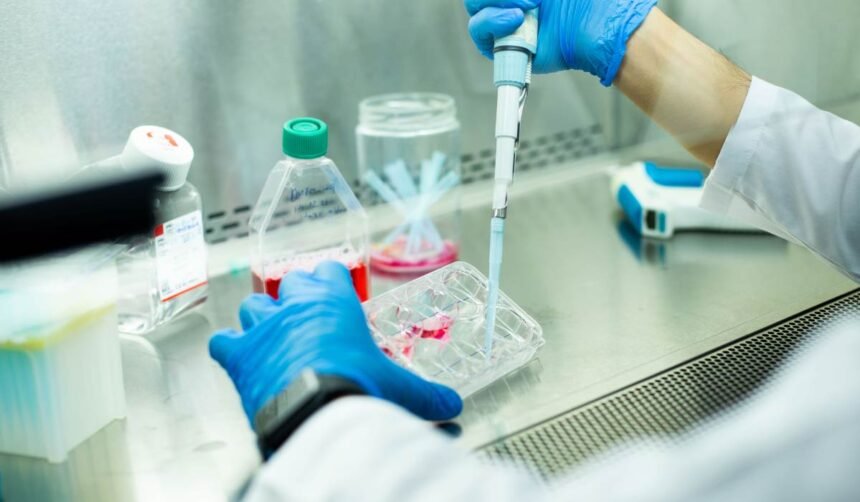
Stem cell therapy has become a popular option for people who want to improve their health and support healing naturally. Many patients choose this treatment for joint pain, injuries, neurological conditions, and other health problems. But the treatment itself is only one part of the journey. Recovery and follow-up care are just as important.
At Liv Hospital, doctors focus not only on the treatment process but also on helping patients recover safely and successfully. Proper care after therapy can improve results and reduce the chances of complications.
In this guide, you’ll learn everything about Stem Cell Recovery and Follow-up, including what happens after treatment, how long recovery takes, helpful tips for healing, and why follow-up visits matter.
What Is Stem Cell Therapy?
Stem cell therapy uses special cells that can help repair damaged tissues in the body. These cells may support healing, reduce inflammation, and improve body function.
Doctors may use stem cell therapy for:
- Joint pain
- Knee injuries
- Arthritis
- Back pain
- Sports injuries
- Neurological disorders
- Autoimmune diseases
Many people prefer this treatment because it may reduce the need for surgery and long recovery times.
Why Stem Cell Recovery and Follow-up Matter
Some people think recovery starts and ends on the treatment day. That’s not true. Your body needs time to respond to the stem cells. Healing happens slowly over weeks or months.
Good follow-up care helps doctors:
- Track your progress
- Check how your body responds
- Manage side effects
- Adjust your recovery plan
- Improve long-term results
Without proper follow-up, patients may not get the full benefit of treatment.
What Happens Right After Stem Cell Therapy?
Recovery depends on the type of treatment and the area treated. Most patients can go home the same day. Some people feel normal within hours, while others need a few days of rest.
You may notice:
- Mild swelling
- Soreness
- Fatigue
- Light discomfort
- Temporary stiffness
These effects are usually normal and improve quickly.
Doctors at Liv Hospital often advise patients to avoid heavy activity during the first few days. Your body needs time to start the healing process.
The First Week of Recovery
The first week is very important. Your body begins reacting to the stem cells during this time.
Tips for the First Week
- Get enough rest
- Drink plenty of water
- Eat healthy foods
- Avoid smoking and alcohol
- Follow your doctor’s instructions
- Avoid intense exercise
Many patients feel excited and expect fast results. But stem cell therapy works gradually. Healing takes patience.
Diet Tips for Faster Recovery
Food plays a huge role in healing. A healthy diet can support your immune system and help the stem cells work better.
Best Foods During Recovery
- Fresh fruits
- Vegetables
- Fish
- Nuts
- Lean protein
- Whole grains
Foods to Avoid
- Processed foods
- Sugary drinks
- Fast food
- Excess alcohol
Simple healthy meals can make a big difference during Stem Cell Recovery and Follow-up.
Exercise After Stem Cell Therapy
Light movement is usually helpful, but intense activity can slow healing.
Doctors may recommend:
- Walking
- Stretching
- Physical therapy
- Gentle exercises
Avoid:
- Heavy lifting
- Running
- High-impact sports
- Sudden movements
Always follow the recovery plan given by your doctor.
How Long Does Recovery Take?
Every patient heals differently. Some people notice improvement within a few weeks. Others may need several months.
General Recovery Timeline
First Few Days
- Mild soreness
- Rest and hydration
2 to 6 Weeks
- Reduced pain
- Better mobility
- Increased comfort
2 to 6 Months
- Continued healing
- Better physical function
- Long-term improvement
Stem cells need time to repair tissues. Results usually improve slowly over time.
Common Side Effects During Recovery
Most side effects are mild and temporary.
Common Symptoms
- Swelling
- Mild pain
- Redness
- Tiredness
- Temporary inflammation
Serious complications are rare when experienced doctors perform the treatment.
If symptoms become severe, patients should contact their healthcare provider immediately.
Importance of Follow-up Appointments
Follow-up visits help doctors monitor your progress and make sure recovery stays on track.
During follow-up visits, doctors may:
- Check pain levels
- Review mobility
- Perform scans or tests
- Adjust medications
- Recommend therapy changes
At Liv Hospital, follow-up care is considered a major part of successful treatment. Doctors work closely with patients to support long-term healing.
Mental Health During Recovery
Recovery is not only physical. Emotional health matters too.
Some patients feel stressed because healing takes time. Others worry if results don’t appear quickly.
Here are simple ways to stay positive:
- Set realistic goals
- Stay patient
- Talk with family and friends
- Celebrate small improvements
- Stay active within safe limits
A positive mindset can help make recovery easier.
Physical Therapy and Rehabilitation
Some patients need physical therapy after stem cell treatment. Therapy can improve strength, flexibility, and movement.
A therapist may help with:
- Muscle strengthening
- Balance exercises
- Stretching routines
- Pain management
Rehabilitation programs are often personalized based on the patient’s condition.
Things You Should Avoid During Recovery
Many patients slow down their healing by ignoring recovery instructions.
Avoid These Mistakes
- Returning to sports too early
- Skipping follow-up visits
- Smoking
- Drinking too much alcohol
- Ignoring pain
- Lifting heavy objects
Good recovery habits can improve the success of stem cell therapy.
Signs Your Recovery Is Going Well
Positive recovery signs may include:
- Less pain
- Better movement
- Improved energy
- Reduced inflammation
- Better sleep
Healing often happens little by little. Small changes are still important.
When Should You Call Your Doctor?
Contact your doctor if you notice:
- Severe swelling
- Fever
- Heavy pain
- Infection signs
- Trouble breathing
- Sudden worsening symptoms
Quick medical attention can prevent complications.
Why Patients Choose Liv Hospital
Many international patients trust Liv Hospital for stem cell treatments because of its experienced medical teams and modern healthcare services.
Patients often choose the hospital for:
- Advanced medical technology
- Personalized treatment plans
- Professional follow-up care
- International patient support
- Experienced specialists
Good care before and after treatment can improve patient confidence and comfort.
Final Thoughts on Stem Cell Recovery and Follow-up
Stem cell therapy offers hope for many people dealing with pain, injuries, and chronic conditions. Still, the treatment is only part of the process. Proper Stem Cell Recovery and Follow-up care play a huge role in achieving good results.
Patients who rest properly, eat healthy foods, attend follow-up visits, and follow medical advice often recover more smoothly. Healing takes time, but patience and proper care can support better long-term outcomes.
Choosing an experienced medical provider like Liv Hospital can also help patients feel more confident throughout their recovery journey.
FAQs About Stem Cell Recovery and Follow-up
How long does stem cell recovery take?
Recovery time varies for each patient. Some people feel improvement within weeks, while others may need several months.
Is pain normal after stem cell therapy?
Yes, mild soreness or swelling is common after treatment. These symptoms usually improve within a few days.
Can I exercise after stem cell treatment?
Light exercise may help recovery, but heavy workouts should be avoided until your doctor approves them.
Why are follow-up visits important?
Follow-up visits help doctors monitor healing, manage symptoms, and improve treatment results.
What foods help during stem cell recovery?
Healthy foods like fruits, vegetables, fish, nuts, and lean protein may support healing.
Can stem cell therapy completely cure diseases?
Results vary from person to person. Stem cell therapy may improve symptoms and support healing, but outcomes depend on the patient’s condition and overall health.
Is stem cell therapy safe?
Stem cell therapy is generally considered safe when experienced medical professionals perform it in certified healthcare centers.