



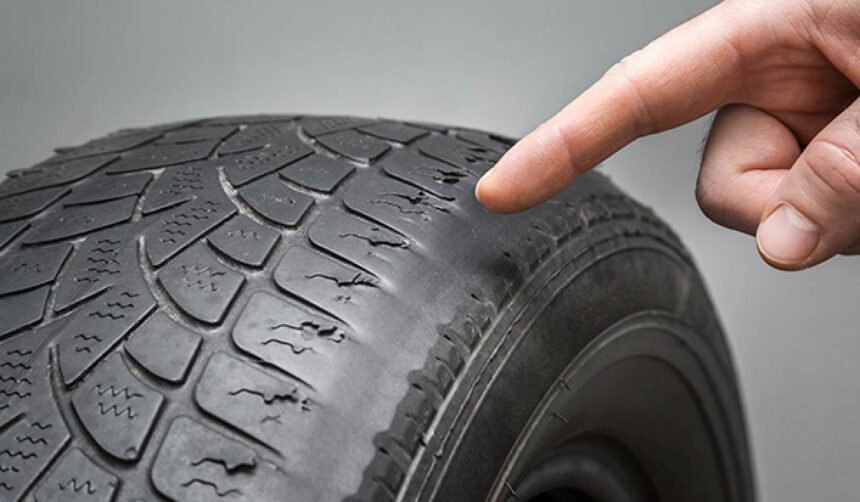
Discover what causes uneven tyre wear and how to fix it. Learn the warning signs, prevention tips, and when to seek professional help for safer driving.
Uneven tyre wear is one of those sneaky problems that creeps up on drivers. You might not notice it at first, but over time, it compromises your vehicle’s safety, fuel efficiency, and handling. Whether you’re commuting through Aldershot, cruising around Farnborough, or taking weekend trips to Fleet, your tyres deserve attention. Understanding what causes uneven wear and how to address it can save you money and keep you safer on the road. This guide breaks down everything you need to know about identifying, fixing, and preventing uneven tyre wear.
Why Uneven Tyre Wear Matters More Than You Think
Your tyres are the only contact point between your car and the road. When they wear unevenly, that connection weakens. You’ll experience longer stopping distances, reduced grip in wet conditions, and unpredictable handling. For drivers in busy areas like Farnham or Ash, where roads can be unpredictable, this becomes a genuine safety concern.
eyond safety, uneven wear hits your wallet. Tyres that wear prematurely need replacing sooner, and poor alignment or suspension issues often mean higher repair bills down the line. Fuel efficiency drops too, because your engine works harder to compensate for the extra rolling resistance. Spotting the warning signs early keeps your journeys smooth and your costs manageable, and if your Car Mot is due in Aldershot, tyre condition and uneven tread wear are both areas that can directly affect your pass result.
Common Patterns of Uneven Tyre Wear and What They Mean
Uneven tyre wear doesn’t look the same in every case. The pattern tells a story about what’s going wrong under your car. Here are the most common types you’ll encounter.
1. Centre Wear
When the middle of the tread wears faster than the edges, you’re dealing with overinflation. Too much air pressure causes the tyre to bulge outward, concentrating contact on the centre strip. This reduces the tyre’s footprint and wears out that section much faster.
2. Edge Wear
If both outer edges wear down while the centre stays intact, your tyres are underinflated. Low pressure flattens the tyre, forcing the edges to carry most of the load. This type of wear is common among drivers who forget regular pressure checks, especially during colder months around Hampshire.
3. One Side Wear
Excessive wear on just one edge, inner or outer, points to alignment issues. Camber misalignment tilts the tyre at an angle, causing one side to scrape along the road more than the other. You’ll often notice this after hitting a pothole or kerb in places like North Camp or Tongham.
4. Cupping or Scalloping
Cupping creates a wavy, uneven surface across the tread. It’s usually a sign of worn suspension components like shocks or struts. You’ll feel vibrations through the steering wheel and hear a rhythmic thumping noise, similar to tyre noise when driving on uneven surfaces.
5. Feathering
Feathering happens when tread blocks wear smooth on one side and sharp on the other. Run your hand across the tyre, and you’ll feel it. This pattern typically results from toe misalignment, where the tyres point slightly inward or outward instead of straight ahead.
6. Patch Wear
Flat spots or isolated patches of wear signal issues like emergency braking, locked wheels, or suspension problems. These patches weaken the tyre structure and can lead to blowouts if ignored.
What Actually Causes Uneven Tyre Wear?
Understanding the root causes helps you tackle the problem effectively. Most cases of uneven wear stem from a handful of common issues.
Incorrect Tyre Pressure
Pressure that’s too high or too low changes how your tyre contacts the road. Overinflated tyres wear in the centre, while underinflated ones wear on the edges. Temperature fluctuations, especially in the UK climate, cause pressure to drop, so regular checks are essential.
Poor Wheel Alignment
Alignment affects how your tyres angle relative to the road and each other. Camber, toe, and caster angles all play a role. Hitting potholes, mounting kerbs, or general wear over time knocks alignment out of spec. Drivers around Ash Vale and Fleet, where road conditions vary, should pay close attention to alignment after rough journeys. If you have noticed your car pulling to one side or your steering wheel sitting off-centre, booking a professional wheel alignment in Aldershot check can prevent further tyre damage and improve handling.
Worn or Damaged Suspension
Your suspension keeps tyres pressed evenly against the road. When shocks, struts, or springs wear out, tyres bounce and skip, creating cupping or patchy wear. Suspension damage also affects ride comfort and handling, making it harder to control your vehicle.
Lack of Tyre Rotation
Front and rear tyres wear differently due to weight distribution and steering forces. Skipping regular rotations means some tyres wear much faster than others. Most manufacturers recommend rotating every 5,000 to 8,000 miles, but check your vehicle’s handbook for specifics.
Driving Habits
Aggressive acceleration, hard braking, and sharp cornering accelerate tyre wear. If you regularly drive spiritedly through winding roads near Farnham or weave through traffic in Aldershot, your tyres will show the effects sooner.
Unbalanced Wheels
Wheels that aren’t properly balanced vibrate at higher speeds, causing uneven contact with the road. This leads to patchy wear and an uncomfortable ride. Balancing should happen whenever you fit new tyres or notice vibrations.
How to Spot Uneven Tyre Wear Before It Gets Worse
Catching uneven wear early prevents bigger problems. Here’s what to look for during your regular vehicle checks.
Visual Inspection
Walk around your car and examine each tyre closely. Look for smooth patches, bald spots, or differences in tread depth across the surface. Shine a torch into the tread grooves to spot hidden wear patterns. Pay attention to both inner and outer edges, as inner wear often goes unnoticed.
The 20p Test
Insert a 20p coin into the tyre’s main tread grooves. If the outer band of the coin is visible, your tread is below the legal limit of 1.6mm. Repeat this test at multiple points around the tyre to identify uneven depth.
Feel for Irregularities
Run your hand gently across the tread surface. Smooth sections, rough patches, or a sawtooth pattern indicate problems. Feathering feels like dragging your hand against the grain of wood.
Listen While Driving
Unusual noises like humming, thumping, or droning often point to uneven wear. Cupped tyres create rhythmic sounds that change with speed. If you notice persistent noise, investigate further.
Steering and Handling Changes
Pulling to one side, vibrations through the steering wheel, or a car that feels less stable in corners all suggest alignment or wear issues. Don’t ignore these symptoms, especially on busier routes around Hampshire.
Step by Step Guide to Fixing Uneven Tyre Wear
Once you’ve identified uneven wear, taking action quickly limits damage and restores safety.
1. Check and Adjust Tyre Pressure
Use a reliable pressure gauge to measure each tyre when cold. Refer to the sticker on your driver’s door jamb or the owner’s manual for the correct PSI. Inflate or deflate as needed, and recheck weekly. Proper pressure alone can prevent many wear patterns.
2. Get a Professional Wheel Alignment
Alignment corrects camber, toe, and caster angles to manufacturer specifications. A professional service uses computerised equipment to measure and adjust these angles precisely. Book an alignment check after hitting kerbs, potholes, or if you notice pulling or steering issues. This step is crucial for drivers in areas like Farnborough or Aldershot, where road surfaces can be challenging.
3. Rotate Your Tyres Regularly
Swap front and rear tyres according to your vehicle’s recommended pattern. Front wheel drive cars usually move fronts to the rear on the same side, crossing rears to the front. Rear wheel drive and all wheel drive vehicles have different patterns, so check your handbook. Rotation evens out wear and extends tyre life.
4. Inspect and Replace Suspension Components
If cupping or bouncing occurs, have your suspension inspected. Worn shocks, struts, or bushings need replacing to restore even contact. Suspension work requires expertise, so leave this to qualified technicians who can assess the full system.
5. Balance Your Wheels
Balancing redistributes weight evenly around the wheel and tyre assembly. Technicians mount the wheel on a balancing machine, which identifies heavy spots and applies small weights to correct imbalances. Balance tyres whenever you fit new ones or experience vibrations.
6. Replace Tyres If Necessary
Severely worn or damaged tyres can’t be salvaged. If tread depth falls below 3mm or you see cords showing through, replace immediately. Mixing old and new tyres affects handling, so consider replacing in pairs or all four for best results. When shopping for replacements, look for quality options that suit your driving style and local conditions, whether you’re searching for cheapest tyres near me in Aldershot or premium brands.
How to Prevent Uneven Tyre Wear from Happening Again
Prevention saves money and keeps your car performing well. Build these habits into your routine.
Monthly Pressure Checks
Set a reminder to check tyre pressure at least once a month and before long trips. Temperature changes affect pressure, so adjust as seasons shift. Keep a portable pressure gauge in your glovebox for convenience.
Regular Tyre Rotations
Stick to the rotation schedule in your vehicle’s manual. Regular swaps distribute wear evenly across all four tyres, maximising their lifespan. Many service centres include rotation with other maintenance, making it easy to stay on track.
Annual Alignment Checks
Even if your car drives straight, alignment can drift over time. Schedule a check yearly or after any significant impact. Alignment services are quick and affordable compared to replacing tyres prematurely.
Smooth Driving Habits
Ease into acceleration, brake gently, and take corners at moderate speeds. Smooth inputs reduce stress on tyres and suspension. Avoiding potholes and rough road edges in places like Tongham or Ash Vale also helps.
Suspension Maintenance
Replace worn suspension components as recommended by your vehicle’s service schedule. A healthy suspension keeps tyres flat against the road, preventing cupping and uneven contact.
Seasonal Inspections
Inspect tyres at the start of each season. Look for cracks, bulges, or embedded objects. Seasonal temperature swings cause rubber to expand and contract, accelerating wear if tyres are already compromised.
Load Management
Avoid overloading your vehicle beyond its rated capacity. Excess weight stresses tyres unevenly and increases wear, particularly on the rear axle.
When to Seek Professional Help
Some tyre issues need expert diagnosis and equipment. Recognise when DIY efforts won’t cut it.
Persistent pulling or vibrations after you’ve checked pressure and rotated tyres suggests alignment or suspension problems. Cupping that worsens despite regular maintenance points to deeper mechanical issues. If you’re unsure about tread depth, wear patterns, or the cause of unusual noises, a professional inspection removes the guesswork.
Technicians have the tools to measure alignment angles precisely, balance wheels accurately, and inspect suspension components thoroughly. Booking a comprehensive check as part of your regular car servicing ensures small issues don’t escalate. Drivers in Farnham, Fleet, and surrounding Hampshire areas can benefit from expert advice tailored to local driving conditions.
The Long Term Benefits of Addressing Uneven Tyre Wear
Fixing uneven wear delivers benefits that go beyond just tyres. Proper maintenance improves fuel economy because rolling resistance drops when tyres contact the road evenly. You’ll notice better handling and shorter braking distances, boosting safety for you and your passengers.
Extending tyre life means fewer replacements, saving hundreds of pounds over the years. Healthy tyres also protect other components like suspension and steering systems from excessive wear. Your car feels more comfortable to drive, with less vibration and noise intruding on your journey.
Regular attention to tyres builds a habit of proactive vehicle care. You’ll catch other issues earlier, reducing the risk of breakdowns and expensive repairs. Whether you’re commuting daily through Aldershot or taking weekend trips across Hampshire, well maintained tyres make every mile safer and more enjoyable.
Conclusion
Uneven tyre wear might seem like a minor inconvenience, but it signals deeper issues that compromise safety and cost money. By understanding the causes, spotting the warning signs early, and taking corrective action, you protect both your vehicle and your wallet. Regular maintenance habits like checking pressure, rotating tyres, and booking alignment checks keep wear at bay and extend tyre life.
Whether you’re navigating the streets of Aldershot, commuting through Farnborough, or exploring the roads around Fleet and Farnham, your tyres deserve consistent care. Small efforts today prevent bigger problems tomorrow, ensuring every journey is safe, smooth, and efficient. Take control of your tyre health now, and enjoy the peace of mind that comes with well maintained wheels.
Frequently Asked Questions
How often should I check my tyre pressure?
Check tyre pressure at least once a month and before any long journey. Temperature changes affect pressure, so monitor more frequently during seasonal transitions. Always measure when tyres are cold for accurate readings.
Can I fix uneven tyre wear myself?
You can adjust tyre pressure and rotate tyres yourself if you have the tools and confidence. However, alignment and suspension work require professional equipment and expertise. DIY fixes work for minor issues, but persistent problems need expert diagnosis.
How much does wheel alignment cost?
Wheel alignment typically costs between £40 and £80 depending on your vehicle and location. Four wheel alignment costs slightly more than front only. The investment prevents premature tyre wear and improves handling, making it worthwhile.
How long do tyres last with proper maintenance?
Well maintained tyres usually last between 25,000 and 50,000 miles, depending on driving habits, vehicle type, and tyre quality. Regular rotation, proper inflation, and alignment checks maximise lifespan. Replace tyres when tread depth falls below 3mm for optimal safety.
What’s the legal minimum tread depth in the UK?
The legal minimum is 1.6mm across the central three quarters of the tread around the entire circumference. However, experts recommend replacing tyres at 3mm for better wet weather performance and safety margins.
Does uneven tyre wear affect MOT results?
Yes, uneven wear that exposes cords, causes bulges, or reduces tread below legal limits will fail an MOT. Even if you pass, addressing wear improves safety and prevents failure in future tests.
Read More: