



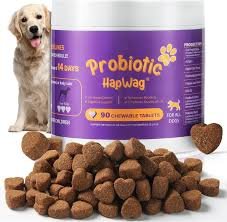
As pet owners, we all want our dogs to live happy, healthy lives. While nutrition, exercise, and regular veterinary care are essential, gut health is often overlooked. A healthy digestive system plays a critical role in your dog’s overall well-being, affecting everything from nutrient absorption to immune function. This is where probiotics for dogs can make a significant difference.
Whether your dog experiences occasional stomach upset or recurring digestive issues, probiotics may help restore balance and support long-term gut health. In particular, many pet owners turn to probiotics for dogs for diarrhea as a natural way to help manage digestive disturbances.
What Are Probiotics for Dogs?
Probiotics are beneficial live microorganisms that help maintain a healthy balance of bacteria in the digestive tract. Just like humans, dogs have billions of bacteria living in their gut. These microorganisms aid digestion, support immune health, and help prevent harmful bacteria from taking over.
When this balance is disrupted due to stress, illness, dietary changes, antibiotics, or other factors, dogs may experience digestive issues such as diarrhea, gas, bloating, or constipation. Probiotics help replenish beneficial bacteria and restore gut balance.
Why Gut Health Matters for Dogs
A healthy gut does much more than digest food. Approximately 70% of a dog’s immune system is associated with the gastrointestinal tract. This means that maintaining gut health can contribute to:
- Improved digestion
- Better nutrient absorption
- Stronger immune function
- Reduced digestive upset
- Healthier skin and coat
- Enhanced overall well-being
By supporting the gut microbiome, probiotics for dogs can help maintain these essential functions.
Common Causes of Digestive Problems in Dogs
Many factors can disrupt your dog’s digestive system, including:
Sudden Dietary Changes
Switching dog food too quickly can upset the balance of bacteria in the gut.
Antibiotic Use
While antibiotics help eliminate harmful bacteria, they often destroy beneficial bacteria as well.
Stress and Anxiety
Travel, boarding, moving homes, or introducing new pets can lead to digestive disturbances.
Food Sensitivities
Certain ingredients may trigger digestive discomfort or diarrhea in sensitive dogs.
Infections and Illness
Bacterial infections, parasites, and gastrointestinal diseases can affect gut health.
In these situations, probiotics may help restore healthy bacterial balance.
How Probiotics Help Dogs with Diarrhea
One of the most common reasons pet owners seek out probiotics for dogs for diarrhea is their ability to support digestive recovery.
Diarrhea often occurs when harmful bacteria outnumber beneficial bacteria in the gut. Probiotics work by:
- Reintroducing beneficial bacteria
- Supporting healthy digestion
- Reducing inflammation in the digestive tract
- Strengthening the gut barrier
- Helping restore normal stool consistency
Research has shown that probiotics can be beneficial for dogs experiencing acute diarrhea, antibiotic-associated diarrhea, and stress-related digestive issues.
While probiotics are not a replacement for veterinary treatment in severe cases, they can be a valuable part of a digestive health plan.
Signs Your Dog May Benefit from Probiotics
Your dog may benefit from probiotic supplementation if they experience:
- Frequent diarrhea
- Loose stools
- Excessive gas
- Bloating
- Digestive discomfort
- Irregular bowel movements
- Recovery after antibiotic treatment
- Sensitive stomach issues
Even healthy dogs may benefit from probiotics as part of their daily wellness routine.
Choosing the Right Probiotics for Dogs
Not all probiotic products are created equal. When selecting probiotics for dogs, consider the following factors:
Dog-Specific Strains
Look for probiotic strains that have been studied specifically for canine digestive health.
Adequate CFU Count
CFU (Colony Forming Units) indicates the number of live beneficial bacteria in a product.
Quality and Stability
Choose products that are manufactured to ensure probiotic viability through shelf life.
Additional Digestive Support
Some products combine probiotics with prebiotics, digestive enzymes, or other gut-supporting ingredients.
Can Probiotics Be Used Daily?
Yes. Many veterinarians recommend daily probiotic supplementation for dogs, especially those with sensitive stomachs or recurring digestive issues.
Consistent use can help:
- Maintain gut microbiome balance
- Support healthy digestion
- Promote immune function
- Reduce the likelihood of digestive disturbances
However, it’s always best to consult your veterinarian before introducing any new supplement into your dog’s routine.
Additional Ways to Support Your Dog’s Digestive Health
In addition to probiotics, you can help maintain your dog’s digestive wellness by:
- Feeding a high-quality, balanced diet
- Introducing dietary changes gradually
- Providing plenty of fresh water
- Minimizing stress whenever possible
- Scheduling regular veterinary checkups
- Avoiding unnecessary antibiotic use
A comprehensive approach often delivers the best results for long-term digestive health.
When to See a Veterinarian
Although probiotics for dogs for diarrhea can provide digestive support, certain symptoms require immediate veterinary attention, including:
- Persistent diarrhea lasting more than 48 hours
- Blood in the stool
- Severe vomiting
- Lethargy
- Dehydration
- Loss of appetite
- Significant weight loss
These symptoms may indicate an underlying condition that requires professional medical care.
Final Thoughts
A healthy gut is the foundation of your dog’s overall wellness. From supporting digestion to strengthening immune health, probiotics for dogs offer numerous benefits. They can be particularly helpful as probiotics for dogs for diarrhea, helping restore bacterial balance and support digestive recovery.
By choosing a high-quality probiotic and maintaining healthy lifestyle habits, you can help your dog enjoy better digestive health and a happier, more comfortable life.