



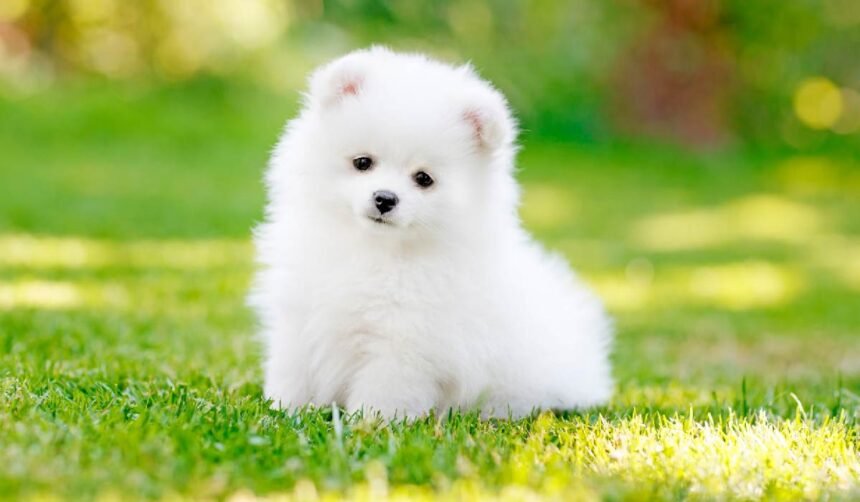
A Pomerusky is a designer hybrid dog created by crossing a Pomeranian and a Siberian Husky, combining the small, fluffy body of the Pomeranian with the striking eyes and wolf-like features of the Husky. This unique mix is loved for its playful personality, intelligence, and compact size. A Pomerusky is a small-to-medium companion dog that blends beauty, energy, and affection into one fluffy hybrid breed.
Introduction
The Pomerusky has become one of the most searched designer dogs in 2026, especially among people looking for a “mini Husky” that fits modern homes and lifestyles. Social media has played a powerful role in its popularity, as photos and videos of bright-eyed puppies with thick coats and expressive faces continue to go viral. Many pet lovers are attracted to the Pomerusky because it offers the dramatic appearance of a Siberian Husky in a much smaller and more manageable body.
As designer dog trends continue to grow worldwide, families are exploring hybrid breeds that combine beauty, personality, and adaptability. The rising interest in this mix is not only about looks but also about companionship, intelligence, and suitability for apartments and active households. In this complete guide, we will explore Pomerusky size, temperament, price, grooming, health, and whether this fluffy hybrid is right for you.
Pomerusky Origin and History
The Pomerusky emerged during the early 2000s when designer dogs became increasingly popular among breeders and pet enthusiasts who wanted to combine the best traits of two purebred dogs into one companion animal. Breeders aimed to create a smaller version of the Siberian Husky while maintaining its striking facial markings and energetic personality, and they chose the Pomeranian as the ideal small-breed partner due to its fluffy coat, alert nature, and loyal temperament.
Because of the large size difference between the two parent breeds, careful breeding techniques became necessary to ensure safe and healthy litters. The Pomerusky gained significant attention after early puppy photos were shared online, and the internet quickly amplified its appeal, turning it into a highly desirable hybrid dog across multiple countries.
How Pomeruskies Are Bred
Breeding a Pomerusky requires careful planning because the Siberian Husky is much larger than the Pomeranian, making natural mating difficult and sometimes unsafe. For this reason, responsible breeders typically use artificial insemination, and in most cases, the Husky serves as the mother while the Pomeranian is the father to reduce health risks.
Generations are often labeled as F1, F2, or F3, where F1 represents a first-generation mix with one purebred Husky and one purebred Pomeranian, while later generations involve breeding hybrids together for more predictable size and appearance. Ethical breeders focus on health testing, temperament stability, and safe delivery practices to reduce inherited health concerns and improve overall quality.
Pomerusky Size, Weight & Growth Chart
The size of a Pomerusky can vary significantly depending on genetics, breeding line, and whether the dog inherits more traits from the Husky or the Pomeranian parent. On average, adult dogs weigh between 7 and 30 pounds and stand approximately 10 to 15 inches tall at the shoulder, making them small to medium-sized companions suitable for both houses and apartments.
Some breeders classify variations as toy or standard, although these labels are not officially recognized and simply describe size differences within the mix. Growth usually progresses steadily during the first year, with most puppies reaching near-adult height by six to eight months, while weight continues to fill out gradually.
Pomerusky Size Overview
| Age | Weight Range | Height Range |
|---|---|---|
| 2 months | 3–8 lbs | 4–7 inches |
| 6 months | 8–18 lbs | 8–12 inches |
| Adult | 7–30 lbs | 10–15 inches |
Size variation happens because some puppies inherit more Husky-dominant features, leading to larger builds, while others inherit stronger Pomeranian genes, resulting in a smaller frame. This genetic diversity makes every Pomeranian unique and contributes to the excitement of owning one.
Physical Appearance & Coat Types
One of the strongest attractions of a Pomerusky is its eye-catching appearance, which often combines the compact fluffiness of the Pomeranian with the bold facial expressions of the Husky. The coat is typically a thick double layer consisting of a soft undercoat and a longer outer coat, providing insulation and contributing to seasonal shedding.
Colors vary widely and can include black, white, gray, cream, red, sable, and mixed combinations, sometimes with the distinctive Husky mask pattern across the face. Eye color is another remarkable feature, as some dogs inherit bright blue eyes, others brown, and some even display heterochromia, where each eye is a different color. Ears are usually upright and triangular, while the tail may curl slightly over the back like a Pomeranian or remain more relaxed.
Do All Pomeruskies Look Like Mini Huskies?
Not all Pomeruskies resemble a perfect miniature Husky, as some lean more toward the Pomeranian side in facial shape, coat density, or overall build. Because hybrid genetics are unpredictable, variation in appearance is common, and each dog develops its own unique look influenced by parental traits.
Pomerusky Temperament and Personality
The Pomerusky is widely known for its lively, affectionate, and intelligent personality, making it a favorite among families seeking a social companion dog. These dogs are naturally curious and enjoy exploring their environment, often engaging actively with toys, people, and new experiences. Intelligence is one of their strongest qualities, as both parent breeds rank highly for learning ability and responsiveness.
They tend to form strong bonds with their owners and may follow them from room to room, seeking companionship and interaction. Some individuals inherit the Husky’s vocal tendencies and may bark or “talk,” while others remain relatively quiet. Occasional stubbornness can appear, especially if training lacks consistency, but positive reinforcement methods typically produce excellent results.
Personality Summary
- Loyal
- Energetic
- Curious
- Affectionate
- Occasionally stubborn
Are Pomeruskies Good Family Dogs?
A Pomerusky can be a wonderful family dog when properly trained and socialized from an early age, as it generally enjoys being around children and participating in household activities. Their playful nature makes them suitable companions for older kids who understand respectful interaction with pets.
They can also coexist peacefully with other dogs and even cats if introductions are gradual and positive. Apartment living is possible as long as daily exercise requirements are met, although they may develop separation anxiety if left alone for extended periods. First-time owners can succeed with this breed if they are committed to learning about grooming, training, and activity needs.
Pomerusky Training Guide
Early training plays a critical role in shaping a well-mannered Pomerusky, especially because intelligence combined with independence can lead to selective listening. Positive reinforcement techniques such as treats, praise, and short engaging sessions work far better than harsh correction.
Crate training often provides structure and security, helping puppies learn boundaries while preventing destructive behavior. Housebreaking requires consistency and routine bathroom breaks, particularly during early months. Common challenges include stubborn moments or vocal behavior, but patience and repetition typically overcome these obstacles.
Is a Pomerusky Hard to Train?
A Pomerusky is not difficult to train when consistent methods and positive reinforcement are used, although occasional stubborn behavior may require extra patience.
Exercise Needs & Daily Activity
Despite its moderate size, the Pomerusky has relatively high energy levels and benefits from 45 to 60 minutes of daily exercise, which can include walks, fetch sessions, and mentally stimulating activities. Without sufficient physical and mental engagement, boredom may lead to chewing, barking, or restlessness. Indoor play can supplement outdoor walks, especially in smaller homes, while puzzle toys and trick training help maintain mental sharpness.
Signs Your Pomerusky Is Bored
Excessive barking, destructive chewing, pacing, or attention-seeking behavior often indicate a lack of sufficient stimulation.
Grooming Requirements
Grooming is an essential responsibility for any Pomerusky owner because the thick double coat sheds throughout the year and more heavily during seasonal changes. Brushing at least three to five times per week helps prevent matting and reduces loose hair in the home. Bathing every six to eight weeks is typically sufficient unless the dog becomes dirty. Nail trimming, ear cleaning, and dental brushing are equally important for maintaining overall health.
Do Pomeruskies Shed a Lot?
Yes, a Pomerusky sheds moderately to heavily due to its double coat, especially during seasonal shedding periods, making regular brushing necessary.
Pomerusky Health Problems & Lifespan
The average lifespan of a Pomerusky ranges between 12 and 15 years when provided with proper veterinary care, balanced nutrition, and adequate exercise. Common health concerns may include hip dysplasia, eye disorders, dental disease, allergies, and luxating patella, although not every dog will experience these issues. Regular checkups allow early detection and management of potential problems.
How to Keep a Pomerusky Healthy
Routine veterinary visits, a balanced diet, controlled weight, and daily activity significantly contribute to long-term health and vitality.
Pomerusky Diet & Feeding Guide
Feeding a Pomerusky requires attention to portion control and high-quality ingredients, particularly protein to support muscle development and energy. Puppies typically require three to four small meals daily, while adults thrive on two structured meals. Avoid overfeeding, as excess weight can strain joints. Monitoring for food sensitivities is also important.
Pomerusky Price & Monthly Cost
How Much Does a Pomerusky Cost?
The average purchase price of a Pomeranian ranges from $1000 to $3500 depending on breeder reputation, lineage, and coat features, with rare eye colors or markings sometimes increasing cost.
Monthly Expenses
Monthly expenses may include food, grooming supplies, veterinary care, toys, and optional insurance, typically ranging from $100 to $250. Yearly ownership costs can exceed $1200–$3000 depending on health and lifestyle needs.
Pomerusky vs Pomsky – What’s the Difference?
In most cases, Pomerusky and Pomsky refer to the same hybrid mix of Pomeranian and Siberian Husky, with the difference primarily being naming preference or marketing variation. Some breeders use Pomsky more commonly, but genetically, they represent the same crossbreed.
Pros and Cons of Owning a Pomerusky
Pros
- Attractive and unique appearance
- Manageable size
- Intelligent and playful
- Strong family bond
Cons
- Heavy shedding
- Occasional stubbornness
- Higher purchase cost
- Requires regular exercise
How to Choose a Reputable Pomerusky Breeder
Selecting a responsible breeder involves verifying health testing for parent dogs, reviewing documentation, observing living conditions, and avoiding puppy mills that prioritize profit over welfare. Ethical breeders provide transparency, answer questions openly, and support long-term puppy health. Adoption through rescue organizations can also be considered.
Is a Pomerusky Right for You?
Choosing a Pomerusky requires evaluating your lifestyle, available time, budget, and willingness to meet grooming and exercise needs. This hybrid thrives in homes where companionship and activity are prioritized. If you can commit to regular care and engagement, this dog may become a deeply rewarding companion.
Conclusion
The Pomerusky stands out as a charming hybrid that combines the dramatic appearance of a Husky with the compact fluffiness of a Pomeranian, creating a visually striking and affectionate companion. Its intelligence, playful spirit, and adaptable size make it attractive to modern households, yet it also requires consistent grooming, training, exercise, and financial planning.
Prospective owners should carefully consider the commitment involved before welcoming this breed into their lives. When provided with proper care, structure, and attention, this unique hybrid can develop into a loyal and joyful family member. If you are ready for daily grooming, training, and playtime, a Pomerusky can become a loving and joyful companion for many years.
Read More: