



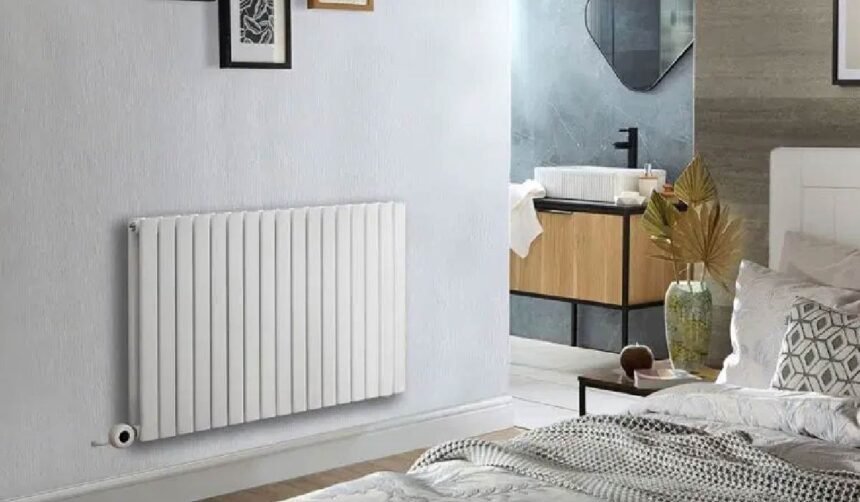
Choosing the correct British Thermal Unit (BTU) rating for your radiators is crucial to maintain a comfortable temperature in your home. Undersized radiators can lead to inefficient heating, leaving rooms cold and energy bills high. To ensure optimal warmth throughout the cold months, it’s important to invest in radiators with high heat output.
Understanding BTU Ratings
BTU is a measure of heat output and plays a pivotal role in heating solutions. It quantifies the amount of heat a radiator can produce in an hour. The requisite BTU for a radiator depends on several factors such as the size of the room, insulation quality, and window size. Larger rooms or rooms with poor insulation demand radiators with higher BTU ratings.
Calculating the BTU Requirement
To calculate the BTU requirement for a room, consider factors like the room’s dimensions, number of exterior walls, window types, and intended function. Kitchens typically need fewer BTUs compared to living rooms due to other heat sources like ovens. Several online calculators are available for convenience, providing an estimate based on the inputs provided.
Common Mistakes in Sizing Radiators
A common error is underestimating the BTU requirements and settling for smaller radiators that blend aesthetically but fail functionally. While space considerations are important, compromising on BTU output for design often results in inadequate heating. Moreover, ignoring factors like ceiling height or failing to account for adjoining room heat loss can skew BTU needs, leaving spaces under-heated.
Consequences of Undersizing Your Radiators
Undersizing radiators can lead to several issues. Primarily, the room may never reach the desired temperature, especially during colder spells. This can force your heating system to work overtime, consequently driving up energy costs. Furthermore, consistently running a heating system under strain can result in increased maintenance issues and reduced longevity.
Solutions to Correctly Size Your Radiators
To avoid undersizing, embark on a thorough assessment of each room’s heating needs, factoring in every variable from external wall exposure to window glazing. Consulting with a professional can provide insight and ensure you select a radiator with an appropriate BTU rating. Additionally, it’s worth considering the use of multiple smaller radiators in large spaces to distribute heat evenly, rather than relying on a single larger unit.
In conclusion, correctly sizing your radiators involves an understanding of BTU ratings and a comprehensive analysis of your home’s specifics. Investing time and resources into calculating the accurate BTU needs of each room pays off in efficient heating performance and cost savings over time. Avoid the pitfalls of undersizing by choosing radiators that meetand ideally exceedyour heating demands, ensuring comfort and efficiency in every corner of your home.