



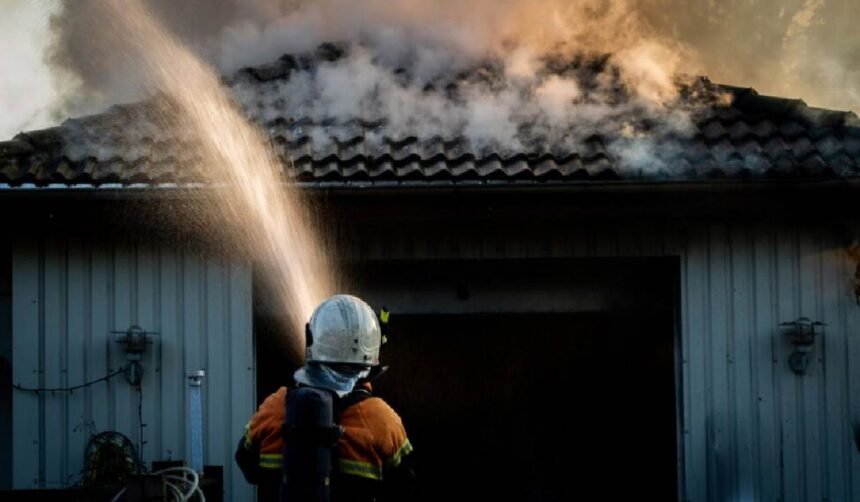
Fire incidents are among the most destructive emergencies a property can experience. In a matter of minutes, flames can consume structures, destroy belongings, and leave behind long-term damage that is not always visible at first glance. Even after the fire is extinguished, the aftermath continues in the form of smoke contamination, soot deposits, water damage from firefighting efforts, and weakened structural components.
Recovering from fire damage is not a simple cleaning task. It is a multi-stage restoration process that requires safety precautions, technical expertise, and systematic rebuilding. This article provides a detailed 1500-word guide explaining how fire damage affects properties, how restoration works, and what steps are necessary for safe and effective recovery.
Understanding the Full Extent of Fire Damage
Fire damage is more complex than burned materials alone. A property affected by fire typically suffers three major types of damage: heat damage, smoke damage, and water damage.Heat damage occurs when high temperatures weaken structural materials such as wood, steel, and concrete. Even if parts of the building appear intact, prolonged exposure to heat can reduce their strength and stability. This hidden damage can make structures unsafe without visible warning signs.
Smoke damage is another serious issue. Smoke spreads quickly throughout a building, entering ventilation systems, insulation, furniture, and wall cavities. The tiny particles in smoke cling to surfaces and create long-lasting contamination. These particles are often acidic and can slowly corrode materials over time.
Water damage is also common due to firefighting efforts. Large volumes of water are used to extinguish flames, which can lead to soaked floors, walls, and electrical systems. If not dried properly, this moisture can cause mold growth and further deterioration.These combined effects make fire recovery a complex process that requires careful planning and execution.
Safety Measures Immediately After a Fire
Safety is the most important priority after a fire incident. Even if the flames are out, the environment may still be dangerous. Structural instability, toxic air, and electrical hazards can all pose serious risks.Before entering a fire-damaged property, clearance from fire authorities is essential. Entering too early can result in injury or exposure to harmful substances.
Once entry is allowed, protective equipment such as masks, gloves, and boots should be used. This helps reduce exposure to soot, ash, and harmful chemicals.Electrical and gas supplies should remain switched off until inspected by professionals. Fire and water damage can create hidden electrical hazards that are not immediately visible.
It is also important to document the damage. Taking photographs and videos helps with insurance claims and provides a record of affected areas. This documentation is often necessary for financial compensation and restoration planning.At this stage, professional restoration teams are typically contacted to begin the recovery process safely.
Smoke, Soot, and Odor Contamination Issues
Smoke and soot are among the most persistent problems after a fire. Unlike visible flames, smoke spreads throughout the entire structure, affecting areas far from the original fire source.Soot is a black, powdery substance made of carbon particles. It is highly acidic and can permanently stain walls, ceilings, and furniture if not cleaned properly. Over time, it can also corrode metals and damage electronics.
Smoke odor is another major challenge. It penetrates deeply into porous materials such as carpets, upholstery, wood, and drywall. This odor is difficult to remove without specialized cleaning methods.
Air quality inside the property is often compromised due to toxic particles and gases released during combustion. These pollutants can remain in the environment long after the fire has been extinguished, making proper cleaning essential before reoccupation.Because of these issues, professional cleaning methods are required to fully restore indoor air quality and remove contamination.
Step-by-Step Fire Damage Restoration Process
Fire restoration follows a structured process designed to ensure safety and full recovery. The first step is inspection and assessment. Restoration experts evaluate the extent of damage, identify structural risks, and determine which materials can be salvaged.
The next step is securing the property. This may involve boarding up broken windows, covering damaged roofs, and restricting access to unsafe areas. This prevents further damage and protects the site from weather exposure or vandalism.Water removal is often necessary because firefighting efforts leave behind significant moisture. Industrial drying equipment such as air movers and dehumidifiers is used to eliminate excess water and prevent mold growth.
Cleaning and soot removal are critical stages of restoration. Specialized cleaning agents and techniques are used to remove soot from surfaces without spreading contamination. This step requires careful handling because improper cleaning can worsen damage.During this phase, fire damage cleanup becomes a central part of the process. It involves removing soot, smoke residue, and contaminated materials while also addressing hidden damage caused by heat and firefighting water. Proper fire damage cleanup ensures that all affected areas are thoroughly treated, preventing long-term structural and health issues.
After cleaning, deodorization is performed. Techniques such as ozone treatment, thermal fogging, and air filtration are used to eliminate smoke odors trapped in materials and air systems.Finally, restoration and reconstruction take place. Damaged walls, flooring, ceilings, and structural components are repaired or replaced. Electrical and plumbing systems are also inspected and restored to ensure full safety.
Health Risks Associated with Fire Damage
Fire damage can create serious health risks if not handled properly. Smoke contains toxic chemicals that can irritate the respiratory system and cause long-term health issues with prolonged exposure.Soot particles are also harmful when inhaled or ingested. Depending on what materials burned during the fire, soot may contain carcinogenic substances.
Another major risk is mold growth. Since firefighting introduces large amounts of water into the structure, damp conditions often develop. Mold can begin growing within 24 to 48 hours if moisture is not properly removed.These health risks highlight the importance of professional restoration and thorough cleaning after a fire incident.
Structural Damage and Repair Requirements
Fire can weaken the structural integrity of a building even if parts of it remain standing. Heat exposure can reduce the strength of steel beams, wooden frames, and concrete structures.Walls and ceilings that appear intact may still be compromised internally. In many cases, these materials must be replaced to ensure long-term safety.Electrical systems are particularly vulnerable. Wiring can melt, short-circuit, or become unsafe due to heat and water exposure. A full inspection is required before power is restored.
Plumbing systems may also be affected indirectly, especially if pipes are exposed to extreme heat.Restoration professionals carefully evaluate all structural components before beginning repairs to ensure safety and compliance with building standards.
Challenges in Fire Damage Recovery
Fire restoration presents several challenges. One of the biggest is hidden damage. Heat and smoke often affect areas that are not immediately visible, making complete assessment difficult without specialized tools.
Time is another critical factor. The longer soot and smoke remain on surfaces, the more difficult they are to remove. Delays can result in permanent staining and material corrosion.Insurance claims can also be complex. Proper documentation, accurate assessment, and timely reporting are essential for successful claims.
Odor removal is another difficult aspect of restoration. Smoke particles can deeply penetrate materials, requiring advanced techniques to fully eliminate odors.Despite these challenges, structured restoration methods can successfully restore most fire-damaged properties.
Fire Prevention and Safety Preparedness
Preventing fire damage is always more effective than restoring it. Regular maintenance of electrical systems helps reduce the risk of electrical fires caused by faulty wiring or overloaded circuits.
Smoke detectors and fire alarms provide early warnings that can save lives and minimize damage. These devices should be tested regularly to ensure proper function.Safe cooking practices and proper storage of flammable materials are also essential preventive measures.
Having a fire emergency plan ensures that occupants know how to respond quickly and safely during a fire incident.Fire extinguishers should be accessible and maintained regularly to ensure they are ready for use when needed.
Conclusion
Fire damage is one of the most complex and destructive challenges a property can face, affecting not only visible structures but also hidden systems and indoor air quality. Recovery requires a step-by-step approach that includes safety measures, damage assessment, cleaning, drying, deodorization, and full reconstruction.
One of the most critical stages in this process is fire damage cleanup, which ensures that soot, smoke residue, and contaminated materials are properly removed from the property. Without effective fire damage cleanup, hidden toxins and structural damage can continue to affect the building long after the fire has been extinguished.
With proper response, professional techniques, and careful restoration, even severely damaged properties can be brought back to safe and functional condition. However, prevention remains the most effective strategy. Fire safety awareness, regular maintenance, and preparedness planning play a vital role in reducing the risk and impact of future fire incidents.