



Introduction
Installing a swimming pool is one of the most significant upgrades a property owner can make, both in terms of lifestyle enhancement and long-term property value. A well-designed pool transforms outdoor space into a functional leisure environment while also contributing to aesthetic appeal and usability. However, the process involves far more than excavation and water filling. It requires careful planning, engineering precision, material selection, and compliance with structural and safety standards.
Modern pool projects are complex construction undertakings that involve multiple phases, including design consultation, soil evaluation, structural planning, plumbing layout, and finishing work. Each phase must be executed with accuracy to ensure durability and long-term performance. Poor planning or incorrect installation methods can lead to structural failure, water leakage, or costly maintenance issues later on.Understanding how pools are designed and built helps property owners make informed decisions, avoid common mistakes, and ensure that the final result meets both functional and aesthetic expectations.
Planning and Design Considerations
The foundation of any successful pool project begins with detailed planning. This stage involves evaluating available space, intended usage, budget constraints, and environmental conditions. The design must align with the property layout while also ensuring safe and efficient water circulation.
Shape and depth are important design elements that influence both usability and construction complexity. Simple geometric designs are often easier to construct and maintain, while custom shapes require more detailed engineering work. Depth variation must also be carefully planned to ensure safety and structural balance.Sun exposure is another critical factor. Pools positioned in areas with optimal sunlight exposure tend to maintain more comfortable water temperatures and reduce heating costs. Wind direction and surrounding structures also influence design decisions, as they affect water evaporation and debris accumulation.
Material selection plays a key role in durability and maintenance requirements. Concrete, fiberglass, and vinyl each offer different benefits and limitations. The choice of material impacts construction time, long-term maintenance, and overall cost efficiency.
Site Evaluation and Ground Preparation
Before construction begins, the site must be thoroughly evaluated to determine soil stability, drainage conditions, and underground utility placement. Soil composition directly affects structural integrity, as certain soil types expand or shift with moisture changes.
Proper excavation is essential for creating a stable foundation. The ground must be leveled and reinforced to support the weight of the pool structure and surrounding water pressure. Any inconsistencies in soil preparation can lead to shifting or cracking over time.
Drainage planning is equally important. Without proper water management, excess moisture can accumulate around the structure, leading to erosion or structural weakening. Engineers often design drainage systems that redirect water away from the pool area to maintain long-term stability.This phase is critical in ensuring that future maintenance issues are minimized and that the structure remains stable under varying environmental conditions.
Structural Construction and Reinforcement
Once the site is prepared, structural construction begins. This phase involves building the framework of the pool using reinforced materials designed to withstand constant water pressure. Steel reinforcement bars, concrete shells, or prefabricated panels are commonly used depending on the design type.
Precision is essential during this stage, as even small deviations can affect water balance and structural integrity. The pool shell must be properly aligned and reinforced to prevent cracking or shifting under pressure.Plumbing systems are also installed during construction. These include water circulation lines, drainage systems, and filtration connections. Proper integration of these systems ensures efficient water movement and maintains water quality over time.
Electrical components such as lighting and pump systems are also incorporated during this phase. Safety measures are implemented to ensure that all electrical installations are properly insulated and protected from water exposure.Pool construction is a highly specialized process that requires technical expertise and experience. Attempting to simplify or rush the installation process can result in long-term issues such as leaks, uneven surfaces, or system inefficiencies.
Professional contractors follow strict construction standards to ensure safety and durability. They also conduct inspections at each stage of the project to verify that structural requirements are being met.In many cases, experienced teams specializing in pool installation tampa use advanced tools and engineering techniques to ensure precision and compliance with industry standards. This level of expertise helps reduce construction errors and ensures a smoother installation process from start to finish.
Plumbing, Filtration, and Water Management Systems
A properly functioning pool relies heavily on its circulation and filtration systems. These systems are responsible for maintaining water clarity, hygiene, and chemical balance. Without efficient circulation, water can become stagnant, leading to algae growth and contamination.
The plumbing network connects various components such as skimmers, drains, pumps, and return jets. Water is continuously drawn through the system, filtered, and redistributed back into the pool. This cycle ensures consistent water quality and prevents debris accumulation.
Pump selection is particularly important, as it determines the efficiency of water movement. A properly sized pump ensures optimal flow rates without excessive energy consumption. Filtration systems, including sand, cartridge, or DE filters, remove impurities and maintain water clarity.Proper installation of these systems ensures long-term efficiency and reduces maintenance requirements. Incorrect plumbing layout can lead to uneven circulation and increased operational costs.
Surface Finishing and Aesthetic Design
Once the structural and mechanical systems are in place, the pool undergoes finishing work. This stage includes applying surface materials such as plaster, tile, or specialized coatings that provide both visual appeal and waterproofing protection.Finishing materials must be selected carefully to ensure durability and resistance to chemical exposure. A well-finished surface not only enhances appearance but also improves user comfort and reduces maintenance needs.
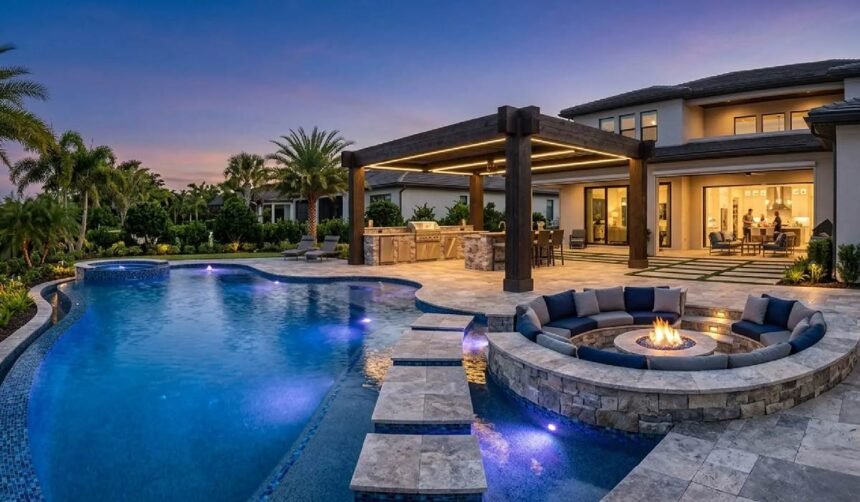
Additional design elements such as lighting, decking, and landscaping contribute to the overall aesthetic experience. Lighting systems enhance nighttime usability, while surrounding decks provide functional space for relaxation and movement.
Water features such as fountains or cascading elements may also be incorporated to enhance visual appeal and create a more dynamic environment.Safety is a critical consideration in all pool construction projects. Proper fencing, depth markings, and anti-slip surfaces are essential for preventing accidents. Electrical systems must also comply with safety regulations to reduce the risk of hazards.
Drain covers and suction systems must be designed to prevent entrapment and ensure safe water circulation. Regular inspections are necessary to maintain compliance with safety standards and prevent potential risks.Builders must also ensure that construction follows local building codes and environmental regulations. These standards help maintain structural integrity and protect both users and surrounding environments.
Maintenance Considerations After Installation
Once construction is complete, ongoing maintenance becomes essential for preserving functionality and appearance. Regular cleaning, chemical balancing, and equipment inspection help ensure long-term performance.Water chemistry must be carefully managed to prevent algae growth, corrosion, and scaling. Filtration systems should be cleaned regularly to maintain efficiency and prevent clogging.
Structural inspections help identify early signs of wear or damage, allowing for timely repairs before issues escalate. Proper maintenance significantly extends the lifespan of the pool and reduces long-term costs.A professionally installed pool significantly enhances property value and lifestyle quality. It provides recreational benefits while also improving the overall appeal of outdoor spaces. Buyers often view well-constructed pools as premium features that increase market attractiveness.
Energy-efficient systems and durable materials further enhance long-term value by reducing operational costs and maintenance requirements. When properly designed and maintained, a pool becomes a lasting asset that provides enjoyment for many years.
Working with experienced professionals in pool installation tampa ensures that the investment is protected through high-quality construction, reliable systems, and long-term performance stability.
Conclusion
Pool construction is a detailed and multi-phase process that requires careful planning, technical expertise, and precise execution. From initial design to final finishing, each stage plays a crucial role in determining the durability, efficiency, and safety of the final structure.
Proper site preparation, structural reinforcement, and system integration ensure that the pool operates effectively and remains stable over time. Attention to safety standards and maintenance practices further enhances long-term performance and user satisfaction.
A well-executed project delivers not only aesthetic and recreational value but also long-term financial benefits. Through professional planning and expert construction methods, property owners can achieve a durable and visually appealing water feature that enhances both lifestyle and property value for years to come.