



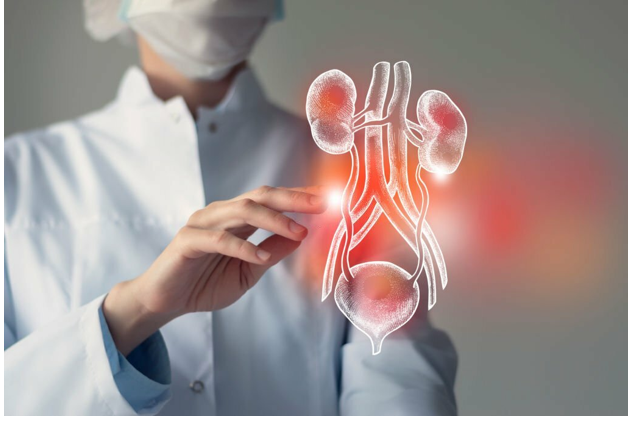
The urinary system plays a vital role in removing waste, maintaining fluid balance, and supporting overall health. Problems affecting the kidneys, bladder, ureters, or urethra can lead to discomfort, infections, and complications if left untreated. In men, urologists also manage conditions related to the prostate and male reproductive system.
While occasional urinary symptoms may not always indicate a serious problem, persistent or recurring issues usually require medical evaluation. Understanding common urological conditions and knowing when to seek professional care can help individuals receive timely treatment and prevent complications.
What Does a Urologist Treat?
A urologist is a medical specialist who diagnoses and treats disorders affecting the urinary tract in both men and women. They also manage conditions involving the male reproductive organs.
Urologists use a combination of medical treatments, diagnostic procedures, minimally invasive techniques, and surgical interventions when necessary.
Common Conditions Managed by Urologists
A urologist may treat:
- Urinary tract infections (UTIs)
- Kidney stones
- Urinary incontinence
- Enlarged prostate
- Erectile dysfunction
- Bladder disorders
- Kidney diseases
- Male infertility
These conditions can affect quality of life and may require specialized care for effective management.
Why Specialized Care Matters
Many urinary symptoms can have multiple causes. A urologist can identify the underlying problem and develop a treatment plan tailored to the patient’s needs and overall health condition.
Common Urological Conditions in Women
Although urological disorders are generally associated with men, women frequently experience urinary tract problems that can significantly affect daily life.
Early diagnosis can help prevent recurrent symptoms and complications.
Urinary Tract Infections (UTIs)
UTIs are among the most common urological conditions in women. Symptoms may include:
- Burning during urination
- Frequent urge to urinate
- Cloudy urine
- Pelvic discomfort
- Strong-smelling urine
Recurring infections may require further investigation to identify underlying causes.
Urinary Incontinence
Urinary incontinence refers to the involuntary leakage of urine. It may occur due to:
- Pregnancy and childbirth
- Aging
- Pelvic floor weakness
- Neurological conditions
Treatment options vary depending on the cause and severity of symptoms.
Common Urological Conditions in Men
Men may experience several urological conditions that affect urinary function and reproductive health.
Some conditions become more common with age and may require ongoing management.
Enlarged Prostate (Benign Prostatic Hyperplasia)
An enlarged prostate can place pressure on the urinary tract and cause symptoms such as:
- Frequent urination
- Weak urine stream
- Difficulty starting urination
- Incomplete bladder emptying
- Nighttime urination
These symptoms should be evaluated by a healthcare professional.
Erectile Dysfunction and Male Reproductive Health
Erectile dysfunction may be associated with:
- Blood vessel disorders
- Diabetes
- Hormonal changes
- Stress and anxiety
- Neurological conditions
A urologist can help identify contributing factors and recommend appropriate treatment options.
Kidney Stones and Their Warning Signs
Kidney stones are hard mineral deposits that form within the urinary tract. They can vary in size and may cause significant discomfort when passing through the urinary system.
Prompt evaluation is important, particularly when symptoms become severe.
Symptoms of Kidney Stones
Common warning signs include:
- Severe back or side pain
- Pain during urination
- Blood in the urine
- Nausea and vomiting
- Frequent urination
The intensity of symptoms usually depends on the size and location of the stone.
When Stones Require Medical Treatment
Small stones may pass naturally, but larger stones can obstruct urine flow and require medical intervention.
Treatment options may include:
- Medications
- Shock wave therapy
- Endoscopic procedures
- Surgical treatment in certain cases
Signs You Should See a Urologist
Many individuals delay seeking care because urinary symptoms can be embarrassing or easy to ignore. However, persistent symptoms should not be overlooked.
Early evaluation usually leads to better treatment outcomes.
Symptoms That Need Medical Attention
Consult a urologist if you experience:
- Frequent urinary tract infections
- Blood in the urine
- Difficulty urinating
- Persistent pelvic pain
- Urinary leakage
- Recurrent kidney stones
- Painful urination
These symptoms may indicate an underlying condition requiring specialized assessment.
Individuals seeking urinary and kidney care in Gujarat commonly compare specialist expertise and treatment options when selecting the best urologist in Ahmedabad for evaluation of complex urological conditions.
Benefits of Early Diagnosis
Timely diagnosis can:
- Prevent complications
- Improve treatment effectiveness
- Reduce symptom severity
- Preserve urinary function
- Enhance quality of life
Ignoring symptoms may allow conditions to progress and become more difficult to manage.
Diagnostic Tests Used by Urologists
Urologists use various tests and procedures to identify the cause of urinary and reproductive system symptoms.
The choice of testing depends on the patient’s symptoms and medical history.
Common Diagnostic Evaluations
These may include:
- Urine analysis
- Blood tests
- Ultrasound imaging
- CT scans
- Cystoscopy
- Urodynamic testing
These tools help provide accurate diagnoses and guide treatment planning.
Understanding the Diagnostic Process
A thorough evaluation usually begins with a medical history review and physical examination. Additional testing may be recommended to confirm findings and determine the most effective treatment approach.
Treatment Options for Urological Conditions
Treatment depends on the specific condition, symptom severity, and overall health status of the patient.
Many urological disorders can be managed successfully with medical therapy and lifestyle modifications.
Common Treatment Approaches
Options may include:
- Antibiotics for infections
- Medications for prostate enlargement
- Pelvic floor therapy
- Lifestyle modifications
- Minimally invasive procedures
- Surgical intervention when necessary
The goal is to improve symptoms and address the underlying cause.
Importance of Ongoing Monitoring
Some urological conditions require regular follow-up appointments to monitor progress and adjust treatment plans when needed.
Long-term management helps maintain urinary health and prevent recurrence.
Conclusion
Urological conditions affect both men and women and can significantly impact daily life if left untreated. Common issues such as urinary tract infections, kidney stones, urinary incontinence, enlarged prostate, and reproductive health concerns usually benefit from specialized evaluation and treatment.
Recognizing warning signs and seeking timely care from a urologist can help prevent complications, improve symptoms, and support long-term urinary health. Early diagnosis and personalized treatment remain key components of effective urological care.
Frequently Asked Questions
1. What symptoms indicate that I should see a urologist?
Persistent urinary symptoms such as painful urination, blood in the urine, frequent infections, urinary leakage, difficulty urinating, or recurring kidney stones should be evaluated by a urologist.
2. Do urologists treat both men and women?
Yes. Urologists treat urinary tract conditions in both men and women. They also specialize in disorders affecting the male reproductive system, including prostate and fertility-related concerns.
3. Can kidney stones go away without treatment?
Some small kidney stones may pass naturally through the urinary tract. Larger stones or those causing severe symptoms may require medical procedures or other forms of treatment.
4. What causes urinary incontinence?
Urinary incontinence can result from pelvic floor weakness, aging, childbirth, nerve disorders, prostate problems, or other medical conditions. Treatment depends on the underlying cause and severity.
5. Are recurrent urinary tract infections a reason to see a urologist?
Yes. Frequent or recurring urinary tract infections may indicate an underlying structural or functional issue within the urinary system that requires specialized evaluation and management.