



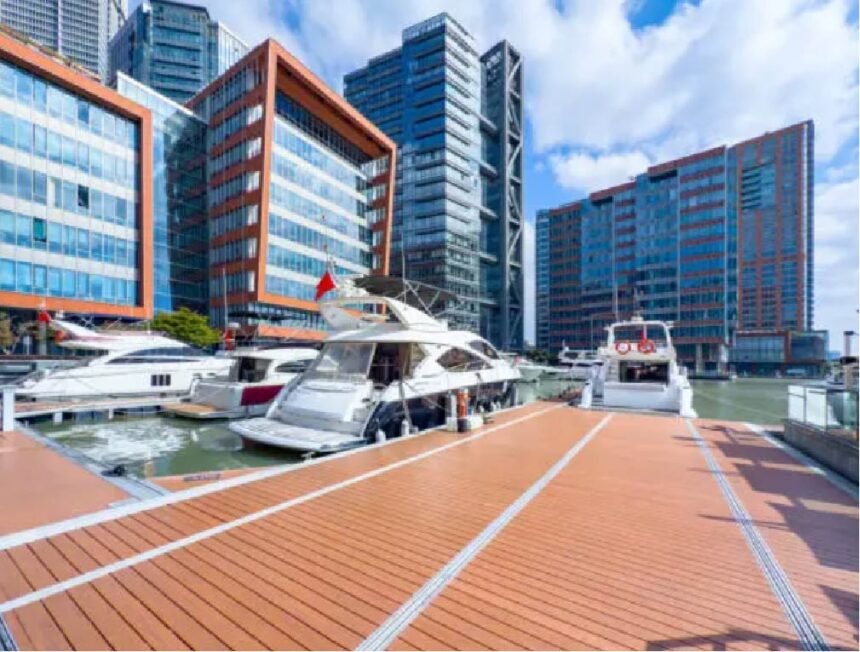
The global standard for luxury travel is undergoing a radical transformation, particularly in tropical destinations across Southeast Asia and the Caribbean. Today’s high-net-worth travelers demand uncompromised luxury alongside rigorous environmental stewardship. This dual expectation is fundamentally reshaping how international developers approach coastal real estate.
Historically, developing waterfront properties meant relying on invasive land reclamation and heavy concrete piling. These traditional methods severely disrupt local benthic habitats and alter natural water flows. In response, modern landscape architects and hospitality investors are pivoting toward low-impact, modular aquatic architecture.
The Paradigm Shift in Coastal Hospitality
The modern approach to resort development prioritizes harmony with the dynamic coastal environment rather than resistance to it. We are seeing a massive shift away from rigid, permanent seabed structures in favor of adaptable, buoyant infrastructure. This transition allows properties to expand their operational footprint dynamically.
By utilizing floating structures, developers can create luxurious over-water experiences without permanently scarring the coastline. This strategy not only accelerates project completion timelines but also significantly reduces the initial capital expenditure associated with heavy marine construction.
When developing high-end waterfront properties in tropical climates, international developers are abandoning traditional timber in favor of resilient modular systems. The intense UV radiation and monsoon-driven tidal shifts in regions like Southeast Asia demand materials that will not degrade. According to regional industry leaders like Hisea Dock, utilizing advanced High-Density Polyethylene (HDPE) platforms allows modern luxury resorts to rapidly deploy zero-maintenance Over-water infrastructure, seamlessly adapting to harsh coastal environments while preserving the aesthetic appeal.
Overcoming Tropical Climate Challenges with Advanced Materials
Tropical climates present one of the most hostile engineering environments for coastal infrastructure. Relentless high temperatures, extreme humidity, and highly oxygenated saltwater accelerate the degradation of conventional building materials. Traditional treated timber inevitably succumbs to moisture rot, warping, and destructive marine borers within a few short years.
Similarly, galvanized steel and aluminum frameworks face severe challenges in these high-salinity zones. Despite expensive protective coatings, metal structures ultimately fall victim to relentless oxidation, requiring constant structural welding and rust-proofing. This cycle creates a massive, ongoing financial burden for resort operators.
To break this cycle of continuous repair, modern engineers rely almost exclusively on marine-grade polymer sciences. High-Density Polyethylene has emerged as the definitive material for tropical waterfronts due to its unparalleled structural resilience. Its core engineering advantages include:
- Absolute UV Stabilization: Advanced HDPE compounds resist solar degradation, preventing the material from becoming brittle under the intense tropical sun.
- Total Corrosion Immunity: The non-porous polymer is completely inert to saltwater, ensuring zero rust and eliminating the need for protective chemical coatings.
- Superior Flexural Strength: Interlocking floating matrix designs can flex and dissipate kinetic energy during severe monsoon wave action, preventing catastrophic structural failure.
- Zero-Maintenance Lifecycle: The material requires no painting, sealing, or heavy maintenance, drastically reducing long-term operational expenditures for resort management.
Designing the Ultimate Over-Water Experience
Floating Villas and Private Patios
For boutique eco-resorts, the guest experience is defined by proximity to the water. Utilizing modular engineering allows architects to design expansive, stable floating platforms that serve as private extensions to luxury villas. These buoyant patios provide guests with seamless, water-level access right from their bedroom doors.
Because HDPE modules offer immense load-bearing capacities, these platforms easily support heavy outdoor furniture, private plunge pools, and over-water dining setups. The dynamic nature of the floating system ensures the patio remains perfectly level with the water, eliminating dangerous vertical drops during low tide.
Seamless Marina Integration for Water Sports
High-end resorts must cater to guests who expect premium recreational amenities, including private yacht mooring and personal watercraft access. Traditional fixed docks struggle to accommodate the varying freeboard heights of different luxury vessels. Modular floating systems solve this by automatically adapting to tidal fluctuations.
Furthermore, commercial marinas can easily integrate custom drive-on ports for jet skis and launch cradles for kayaks directly into the main platform. This modularity allows resort operators to rapidly reconfigure their aquatic layout based on seasonal tourist demands, ensuring maximum ROI on their waterfront assets.
Protecting Marine Biodiversity in Tourism Development
The transition toward inert, advanced polymers is driven equally by strict global environmental regulations. Protecting marine biodiversity is no longer just a marketing angle; it is a critical prerequisite for securing coastal building permits. Traditional pressure-treated wood relies on toxic heavy metals like copper and arsenic to resist aquatic rot.
Over time, these toxic chemicals leach directly into the water column, devastating local coral reefs and poisoning marine life. Floating HDPE systems are entirely non-toxic and non-leaching, offering a completely inert footprint. Furthermore, because they require no seabed piling, delicate underwater ecosystems remain entirely undisturbed.
The transition to inert, 100% recyclable floating structures is not merely an architectural trend; it is a vital step in preserving fragile coastal ecosystems. By eliminating the toxic runoff associated with chemically treated wood, developers prevent contamination of local water columns. Aligning projects with recognized sustainable coastal tourism guidelines ensures that vulnerable coral reefs and marine life can thrive alongside luxury hospitality developments, meeting the rigorous standards of modern eco-conscious investors.