



Crawlspace encapsulation is one of the most effective modern solutions for protecting a home from moisture damage, mold growth, structural weakening, and poor indoor air quality, notes PMI Central Oregon, a trusted provider of Bend property management. Because crawlspaces are located beneath the home and often exposed to soil moisture, humidity, and outside air, they are highly vulnerable to environmental conditions that can negatively impact the entire structure above them.
Many homeowners underestimate the importance of crawlspaces because they are not frequently visible or used. However, studies and building science show that air from the crawlspace often rises into the living areas of the home. This means that any moisture, mold spores, or contaminants present in the crawlspace can directly affect indoor air quality. Crawlspace encapsulation addresses these issues by creating a sealed, controlled environment that prevents moisture intrusion and improves overall home performance.
Over time, crawlspace problems can lead to serious consequences such as wood rot, insulation damage, pest infestations, and increased energy costs. Encapsulation is designed to prevent these issues by sealing the space and managing humidity levels effectively.
Why Crawlspace Encapsulation Is Essential for Home Protection
Crawlspaces are naturally exposed to external conditions, making them one of the most vulnerable parts of a home. Moisture from the soil, groundwater, and humid air can easily enter the space and create an environment where mold and mildew thrive.
One of the primary reasons for crawlspace encapsulation is moisture control. Excess moisture can damage wooden support beams, weaken insulation, and lead to long-term structural deterioration. Over time, this can compromise the stability of the entire home.
Another major concern is air quality. Because air from the crawlspace often circulates into the living areas above, any contaminants present in the crawlspace can affect the health of occupants. This includes mold spores, allergens, and musty odors that reduce indoor comfort.
Energy efficiency is also significantly impacted by an unsealed crawlspace. When outside air and moisture enter the space, heating and cooling systems must work harder to maintain indoor temperatures. This results in higher energy bills and reduced system efficiency.
Crawlspace encapsulation solves these problems by sealing the area and creating a controlled environment that protects both the structure and the living space.
Common Problems Found in Unsealed Crawlspaces
Unsealed crawlspaces often suffer from a wide range of issues that worsen over time if not addressed properly.One of the most common problems is moisture accumulation. Water can enter through the soil, foundation walls, or gaps in the structure. Once inside, it creates damp conditions that promote mold growth and wood decay.
Pest infestations are another frequent issue. Rodents, insects, and other pests often enter crawlspaces in search of shelter. Once inside, they can damage insulation, wiring, and wooden structures.
Wood rot is a serious concern in unsealed crawlspaces. Continuous exposure to moisture weakens wooden beams and support structures, leading to long-term damage that can affect the stability of the entire home.
High humidity levels also contribute to discomfort in the living areas above. Moist air rising from the crawlspace can make indoor environments feel damp and unhealthyThese issues highlight the importance of proper sealing and moisture management through crawlspace encapsulation.
What Crawlspace Encapsulation Involves
Crawlspace encapsulation is a comprehensive process that transforms an open, vulnerable space into a sealed and controlled environment.The process begins with cleaning and preparation. Any debris, mold growth, or damaged insulation is removed to ensure a clean surface for installation.
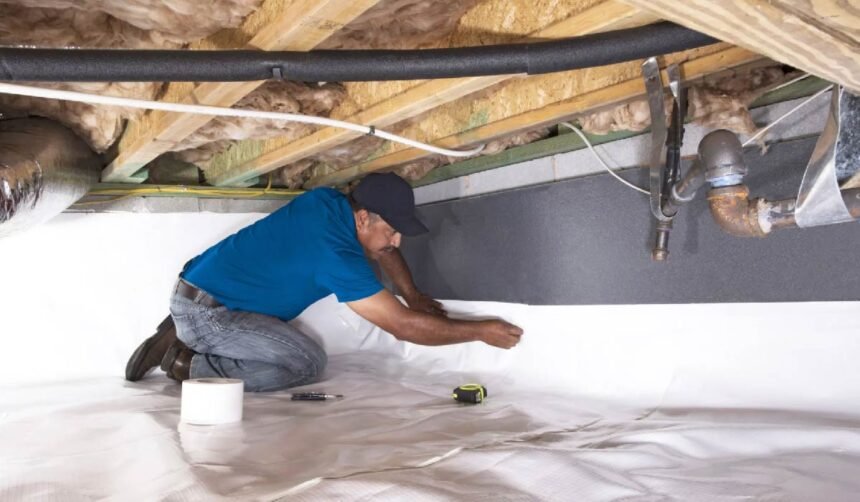
Next, a heavy-duty vapor barrier is installed across the floor and walls of the crawlspace. This barrier prevents moisture from entering through the soil and foundation.
All vents and openings are sealed to block outside air and humidity. Traditional crawlspaces often rely on ventilation, but modern building science shows that sealing the space is far more effective in controlling moisture.In many cases, insulation is also added to improve temperature stability and energy efficiency.A dehumidifier may be installed to regulate humidity levels and maintain a dry environment over time.
Each of these steps works together to create a fully encapsulated system that protects the home from moisture-related damage.
Benefits of Crawlspace Encapsulation
Crawlspace encapsulation provides a wide range of long-term benefits for homeowners.One of the most important benefits is moisture control. By sealing the crawlspace, moisture intrusion is significantly reduced, which helps prevent mold growth and structural damage.
Improved indoor air quality is another major advantage. Since air from the crawlspace can enter the living areas, encapsulation helps reduce allergens, mold spores, and unpleasant odors.Energy efficiency is also greatly improved. A sealed crawlspace helps stabilize indoor temperatures, reducing the workload on heating and cooling systems and lowering energy costs.Structural protection is another key benefit. By preventing moisture from reaching wooden support structures, encapsulation helps preserve the integrity of the home.
These combined benefits make crawlspace encapsulation one of the most valuable home improvement solutions available today.
The Role of Professional Services in Crawlspace Protection
Crawlspace encapsulation is not a simple DIY project. It requires professional knowledge, proper materials, and precise installation techniques to ensure long-term effectiveness.Experts can identify hidden moisture issues, drainage problems, and structural weaknesses that may not be visible to homeowners. This allows them to design a customized encapsulation system that addresses all underlying issues.
Professional installation also ensures that vapor barriers, insulation, and sealing systems are properly installed to prevent future problems.In many cases, homeowners rely on expert foundation repair services to address structural concerns before encapsulation begins. This ensures that the crawlspace is stable and ready for long-term protection.
How Crawlspace Moisture Affects the Entire Home
Moisture in the crawlspace does not stay contained. It often rises into the upper levels of the home, affecting air quality and comfort.One of the most noticeable effects is increased indoor humidity. This can make the entire home feel damp and uncomfortable, especially during warm or humid seasons.
Mold spores from the crawlspace can also travel into living areas, potentially causing respiratory issues and allergies.Over time, excess moisture can damage flooring, insulation, and even walls, leading to costly repairs.Crawlspace encapsulation helps prevent these issues by controlling moisture at the source.
Signs That a Crawlspace Needs Encapsulation
There are several warning signs that indicate a crawlspace may require encapsulation.A musty odor inside the home is often one of the first indicators of crawlspace moisture problems. This smell usually results from mold or mildew growth.Visible mold or water stains in the crawlspace are clear signs of excess moisture.
Increased energy bills may suggest that the home is struggling to maintain stable temperatures due to crawlspace air leakage.Sagging floors or wood damage can also indicate long-term moisture exposure in the crawlspace.When these signs appear, homeowners should consider professional evaluation and possible encapsulation.
Maintenance After Crawlspace Encapsulation
Although encapsulation systems are designed for long-term performance, regular maintenance is still important.Homeowners should periodically inspect the crawlspace for signs of moisture, damage, or pest activity. The vapor barrier should remain intact and free of tears or punctures.
Dehumidifiers should be checked and maintained to ensure proper humidity control.Drainage systems should also be inspected to ensure water is being properly directed away from the home.Routine maintenance helps extend the lifespan of the encapsulation system and ensures continued protection.
Long-Term Value of Crawlspace Encapsulation
Crawlspace encapsulation provides long-term value by improving home durability, reducing energy costs, and enhancing indoor comfort.Homes with encapsulated crawlspaces are often more attractive to buyers because they demonstrate proper maintenance and moisture control.By preventing structural damage and improving air quality, encapsulation increases both comfort and property value.Many homeowners also find that combining encapsulation with expert foundation repair services provides even greater long-term stability and protection.
Final Thoughts on Crawlspace Encapsulation
Crawlspace encapsulation is one of the most effective ways to protect a home from moisture damage, mold growth, and structural deterioration. By sealing the crawlspace and controlling humidity levels, homeowners can significantly improve indoor air quality, energy efficiency, and overall home stability.From preventing wood rot and pest infestations to reducing energy costs and improving comfort, encapsulation offers long-term benefits that make it a valuable investment.
Professional installation is essential to ensure the system performs correctly and provides lasting protection. In many cases, homeowners also rely on expert foundation repair services to address structural issues before encapsulation begins.
With proper design, installation, and maintenance, crawlspace encapsulation transforms a vulnerable area into a clean, dry, and controlled environment that supports the health and longevity of the entire home.