



Introduction
Why are more people searching for Acryldach today? The answer is simple: modern homeowners, builders, and designers want roofing materials that protect a space without blocking natural light. Many people come across the term while researching patio covers, pergolas, skylights, greenhouses, or stylish outdoor roofing options. They also want to know whether Acryldach is better than glass or polycarbonate, and whether it is a smart long-term choice for homes and commercial buildings. Because the demand for bright, open, and energy-efficient spaces is growing, interest in Acryldach is growing too.
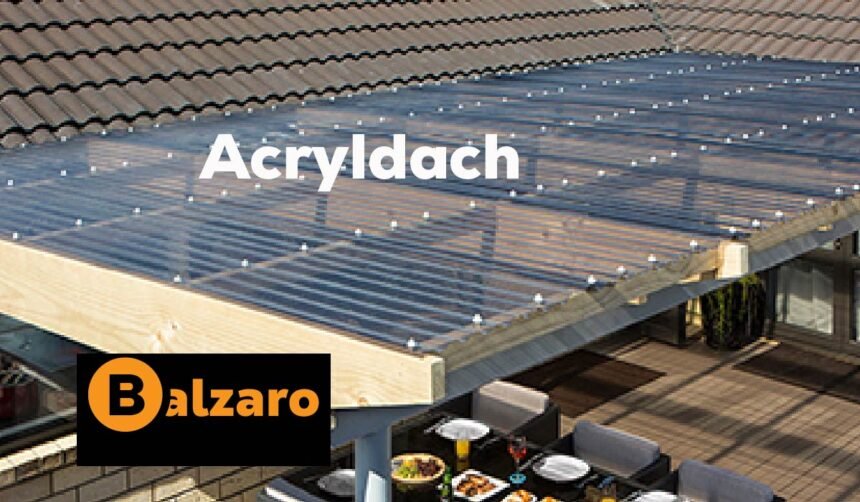
Acryldach is a roofing system made from acrylic sheets, usually PMMA, that protects a space from rain, wind, and UV exposure while still allowing strong natural light to pass through. The word comes from German, where “Acryl” means acrylic and “Dach” means roof. In simple words, Acryldach means an acrylic roof. It is commonly used in patios, carports, skylights, terraces, pergolas, greenhouses, and many modern architectural designs where weather protection and brightness are both important.
This article explains everything readers need to know about Acryldach in a clear and practical way. It covers the meaning of the term, the PMMA material behind it, the main types of Acryldach systems, the key benefits and limits, common uses, comparisons with other roofing materials, installation basics, maintenance needs, costs, and environmental value. By the end, readers will understand whether Acryldach is the right roofing solution for their project.
What Does Acryldach Mean?
To understand the term properly, it helps to begin with its language origin. Acryldach is a German word made from two parts. “Acryl” means acrylic, and “Dach” means roof. When joined together, the meaning becomes very direct: a roof made from acrylic. This is why the term is often used in product listings, building materials, architectural discussions, and home improvement searches, especially in Europe and in markets influenced by German construction terminology.
In plain English, Acryldach refers to a light-transmitting roofing system made from acrylic material. Unlike a traditional roof that blocks light completely, this kind of roof is designed to protect while still keeping the area underneath bright and open. It is especially useful in spaces where people want shelter but do not want a dark or closed feeling. That is why it is widely used above patios, balconies, pergolas, entrances, greenhouses, and covered outdoor seating areas.
The term is also becoming more popular globally because modern construction is moving toward designs that feel airy, attractive, and energy conscious. People are searching for roofing options that offer both function and appearance. Acryldach fits that need well because it combines weather resistance with transparency. As more homeowners and businesses look for smart, low-maintenance roofing materials, the meaning of Acryldach is becoming more relevant beyond German-speaking markets.
The Material Behind Acryldach – What Is PMMA?
The material behind Acryldach is PMMA, which stands for Polymethyl Methacrylate. Although the name sounds technical, the material itself is widely known in everyday life. Many people recognize PMMA through brand names such as Plexiglas, Perspex, and Acrylite. It is a clear thermoplastic used as a strong, lightweight alternative to glass in many industries, including construction, automotive design, aquariums, medical products, displays, and lighting systems.
PMMA was first developed in the early twentieth century and became commercially important in the 1930s. Since then, it has been valued for its excellent transparency, smooth appearance, and outdoor durability. One of its biggest strengths is optical clarity. High-quality PMMA can transmit up to 92 percent of visible light, which is better than many ordinary glass products. This makes it extremely useful in roofing systems where daylight is a major goal. A space covered with acrylic can still feel bright, open, and inviting.
Another major advantage is weight. PMMA is about half the weight of glass, which makes transport, handling, and installation easier. It also reduces the structural load on frames and support systems. In addition, PMMA has better impact resistance than glass, so it is less likely to shatter under normal conditions. It also has strong UV resistance, which helps quality panels stay clear for many years. One important technical point is thermal expansion. Acrylic expands and contracts more than glass when temperatures change, so it must be installed with proper spacing and flexible fixing methods to prevent cracking.
Key Features of Acryldach Roofing Systems
Acryldach roofing systems are popular because they combine several useful features in one material. The first and most noticeable feature is high light transmission. Acrylic roofing allows large amounts of daylight to enter a covered area, which makes spaces feel larger, brighter, and more comfortable. This is one of the main reasons why people choose Acryldach for patios, skylights, conservatories, and greenhouses. Instead of making a space feel enclosed, it keeps the connection with the outdoors.
Another important feature is its lightweight structure. Since acrylic is much lighter than glass, it is easier to install and places less stress on the supporting framework. This can reduce both labor demands and structural costs. Acryldach is also designed for weather resistance. It performs well against rain, sunlight, wind, and general outdoor exposure. Quality sheets are UV-stabilized, which helps prevent yellowing and surface damage over time. This is especially important in regions with strong sunlight and changing weather conditions.
Durability is another strong feature of Acryldach. When good-quality panels are installed correctly and maintained properly, they can last between 15 and 30 years. The material does not rust, rot, or corrode, which adds to its reliability. It also needs very little maintenance compared to many traditional roofing materials. In addition, Acryldach offers design flexibility. It is available in clear, tinted, frosted, corrugated, flat, and multiwall forms, giving builders and homeowners many choices for both practical and visual needs.
Types of Acryldach Systems
Acryldach is not a single fixed product. It is a broad term that covers different acrylic roofing systems designed for different uses. One common option is solid acrylic sheet roofing. These are flat, single-layer sheets that provide excellent clarity and a clean modern look. They are often used in skylights, premium patio covers, balcony roofs, and canopies where visual appearance matters. They are especially suitable for projects that need strong daylight and a sleek finish.
Another popular type is corrugated acrylic panels. These have a wave-like shape that increases rigidity and helps water flow away easily. Corrugated panels are often chosen for practical structures such as sheds, carports, agricultural shelters, industrial daylight panels, and simple outdoor roofs. They are easier to install over wider areas and are often more budget-friendly than thick flat sheets. For projects where insulation is important, multiwall or twinwall acrylic panels are a better choice. These panels contain internal chambers that improve thermal performance while still diffusing natural light.
There are also liquid PMMA roofing systems, which are used more for waterproofing flat roofs, terraces, and renovation work than for transparent coverings. In addition, buyers often choose between cast and extruded acrylic. Cast acrylic offers better optical clarity, surface quality, and scratch resistance, making it ideal for visually important applications. Extruded acrylic is more affordable and more uniform in thickness, so it works well for general-purpose roofing. The best type depends on the project, budget, light needs, and performance goals.
Advantages of Acryldach
One of the biggest reasons people choose Acryldach is natural daylight. This roofing system keeps an area protected while allowing sunlight to enter, which creates a pleasant and open feeling. A covered patio with acrylic roofing feels more welcoming than one covered with a dark, opaque material. The same is true for pergolas, atriums, greenhouse roofs, and carports. Because natural light enters so effectively, the space underneath often feels more usable throughout the day.
Acryldach is also cost efficient in many situations. While it may not always be the cheapest material at the time of purchase, it offers a strong balance between price, durability, appearance, and ease of installation. Since it is lighter than glass, support structures can often be simpler and less expensive. Installation can be faster, and handling is easier. This can reduce overall project costs. Long lifespan adds further value, especially when quality UV-protected panels are chosen instead of very cheap alternatives that may yellow or weaken early.
Another major benefit is its modern visual appeal. Acrylic roofing looks clean, bright, and stylish, which fits current architectural trends that favor open spaces and natural light. It also supports energy savings in buildings where daylight can reduce dependence on artificial lighting during the day. Low maintenance is another reason for its popularity. Unlike materials that rust, rot, or demand regular treatment, Acryldach usually needs only occasional washing and inspection. For many residential and light commercial projects, it offers a practical mix of beauty, performance, and long-term reliability.
Disadvantages of Acryldach
Although Acryldach has many benefits, it is not perfect, and a balanced article must explain its limitations honestly. One of the main concerns is scratch sensitivity. Acrylic is stronger than glass in terms of breakage resistance, but its surface can scratch more easily if cleaned with rough tools or exposed to abrasive dirt and materials. This means owners must clean it carefully with soft cloths or sponges and avoid harsh products that can damage the surface and reduce clarity.
Another important issue is thermal expansion. Acrylic expands and contracts more than many other roofing materials as temperatures rise and fall. This is not a defect, but it is a property that must be respected during installation. If panels are fixed too tightly without enough room to move, they can crack, warp, or place stress on fasteners and seals. This is why installation quality matters so much. A poorly installed Acryldach system may fail even if the material itself is good.
Acryldach also has lower impact resistance than polycarbonate. While it is much more impact-resistant than ordinary glass, it is not the best choice in environments where very strong impacts, heavy hail, or flying debris are common concerns. Lower-quality acrylic panels may also yellow or fade over time, especially if they do not have proper UV protection. Finally, single-sheet acrylic systems provide limited insulation compared to multiwall panels or more advanced insulated roofing systems, so users must choose the right type for their climate and use.
Acryldach vs Other Roofing Materials
Acryldach is often compared with glass, polycarbonate, and metal roofing because these materials are commonly used in similar building projects. Compared with glass, Acryldach is much lighter and easier to handle. This reduces structural load and makes installation simpler. Acrylic also has good clarity, often matching or even exceeding standard glass in visible light transmission. However, glass has better scratch resistance and can last longer in certain premium systems. Acrylic is often preferred when lighter weight and lower cost matter more than the prestige or hardness of glass.
When compared with polycarbonate, the difference becomes more about clarity and toughness. Polycarbonate is stronger in terms of impact resistance and is often the first choice in applications where heavy impact is a serious concern. However, Acryldach generally offers better optical clarity, better long-term appearance, and stronger resistance to yellowing when high-quality UV-stabilized sheets are used. Acrylic also tends to maintain a cleaner, more glass-like look over time. For patios, pergolas, skylights, and greenhouse roofs where appearance matters, acrylic is often the more attractive choice.
Compared with metal roofing, Acryldach serves a completely different purpose. Metal is strong, durable, and long-lasting, but it blocks all light and creates a more enclosed feeling underneath. Acryldach, by contrast, is chosen specifically because it allows daylight to pass through. In terms of cost, acrylic usually sits between cheap basic materials and premium glass solutions. In terms of lifespan, good acrylic roofing can last 15 to 30 years, while metal can last longer, but metal cannot provide the same bright and open experience. The right material depends on whether light transmission is a priority.
Common Uses of Acryldach in Modern Construction
Acryldach is widely used in both residential and commercial construction because it offers shelter without blocking natural light. One of its most common uses is over patios and terraces. Homeowners often want a covered outdoor area where they can sit comfortably in light rain or strong sun without losing brightness. Acrylic roofing solves that problem well. It also works beautifully for pergolas and balconies, where a dark roof might reduce the feeling of openness and comfort.
Carports are another popular use. Acryldach protects vehicles from rain, sunlight, leaves, and dirt while keeping the area lighter and more visually appealing than a solid opaque roof. Skylights are also a major application because acrylic sheets allow daylight to enter interior spaces in a clean and efficient way. In greenhouses, Acryldach is especially valuable because plants need light to grow well. Multiwall and twinwall acrylic panels can also improve light diffusion and help manage temperature more effectively than ordinary single sheets.
In commercial construction, Acryldach appears in atriums, entrance canopies, shopping walkways, covered public spaces, industrial rooflights, and transport shelters. Businesses and public buildings often want roofing that improves daylight while supporting a modern design. Acrylic makes this possible without the full structural demands of glass. Because it can be shaped, tinted, and produced in different forms, it is suitable for practical structures as well as more design-focused architectural projects. Its flexibility is one of the reasons it remains relevant in modern construction.
Installation Guide – What You Need to Know
Installing an Acryldach system correctly is essential for performance and long-term durability. The process begins with planning and measurement. The installer must assess the roof area, the expected weather conditions, the spacing of supports, and the thickness of sheet required. Acrylic panels are available in different thicknesses, and the correct choice depends on span, wind exposure, snow load, impact risk, and local building rules. Thinner panels may work for small sheltered roofs, while wider spans usually need thicker sheets or better support systems.
One of the most important parts of installation is allowing for thermal expansion. Acrylic panels must never be fixed too tightly. The fastener holes should usually be slightly larger than the screws, and the edges should have enough clearance to move with temperature changes. Rubber washers, proper glazing bars, and non-binding fixings help protect the material. Without these details, cracking and stress damage become much more likely over time. The roof also needs enough slope so rainwater runs away properly and does not collect on the surface.
Proper fixing methods matter just as much as correct sizing. Support structures may be made from aluminum, wood, or steel depending on the design. Seals and gaskets should be compatible with acrylic, and installers must avoid products that may damage the material. For small patio covers and simple pergolas, skilled DIY installation may be possible when manufacturer instructions are followed carefully. For larger spans, complex roof shapes, or projects that must meet building regulations, professional installation is usually the safer and more reliable choice.
Maintenance and Lifespan of Acryldach
Acryldach is considered a low-maintenance roofing option, which is one of its strongest selling points. In normal use, the roof usually needs only basic cleaning to stay clear and attractive. The best method is simple: warm water, mild soap, and a soft cloth or sponge. This removes dust, dirt, leaves, and light staining without damaging the surface. Gentle care is important because rough cleaning tools or harsh chemicals can scratch or weaken the acrylic over time.
It is also important to know what to avoid. Solvent-based cleaners, ammonia-heavy products, and abrasive pads should not be used on acrylic roofing. These can damage the smooth surface, reduce clarity, and create fine cracks or marks that become more visible in sunlight. A simple cleaning routine once in a while is usually enough for residential installations, especially when the roof has a good slope and rainwater naturally helps remove light dirt.
An annual inspection is also a smart idea. While the acrylic itself is durable, the seals, fasteners, and support parts should be checked for wear, loosening, or minor leaks. When high-quality UV-protected panels are installed correctly, an Acryldach system can last anywhere from 15 to 30 years. Premium panels in well-designed systems often perform closer to the upper end of that range. Lifespan depends mainly on panel quality, installation accuracy, climate exposure, and cleaning habits.
Cost of Acryldach Roofing
The cost of Acryldach roofing can vary quite a lot depending on the type of panel, thickness, finish, and installation needs. In general, material prices often fall into the mid-range category. Basic corrugated or thinner acrylic sheets are more affordable, while thicker cast sheets, tinted options, multiwall systems, and premium UV-protected products cost more. This is why it is important to compare not only price per sheet but also lifespan, clarity, and long-term performance when planning a project.
Cost per square meter depends on the product quality and application. Budget panels may look attractive at first because the upfront price is lower, but cheaper acrylic can sometimes yellow faster, scratch more easily, or offer less structural strength. Premium panels cost more at the beginning but often save money over time because they last longer and retain their appearance better. Installation cost is another major factor. Simple patio roofs or carports are easier and cheaper to install than skylights, large-span commercial roofs, or customized architectural systems.
The overall budget should also include framing, fasteners, gaskets, edge profiles, sealants, and labor where needed. Because Acryldach is lighter than glass, supporting structures may be less expensive than those required for heavy glazed roofs. This can improve value in many projects. For homeowners and builders, the smartest approach is to see Acryldach not only as a material cost but as a full roofing solution that balances light transmission, performance, appearance, and maintenance over many years of use.
Is Acryldach Eco-Friendly?
Acryldach has some environmental advantages, though it should be discussed realistically. PMMA is a plastic-based material, so it is not as naturally sustainable as some traditional materials. Its production depends on industrial processes and raw materials linked to petrochemicals. However, its environmental value is not only about raw material origin. It also depends on durability, energy use during the product’s life, and whether the material can be recycled or reused in practice.
One positive point is that PMMA is recyclable in many markets where suitable recycling systems exist. Good-quality acrylic also has a long service life, which means it does not need to be replaced as often as short-life materials. That longer lifespan reduces waste over time. Another environmental benefit is daylight use. Because Acryldach allows strong natural light into covered areas, it can reduce the need for artificial lighting during the day in patios, atriums, greenhouses, commercial walkways, and industrial rooflight systems.
Its environmental impact therefore sits somewhere in the middle. It is not a perfect green material, but it can support energy-conscious building design, especially when long-life premium panels are selected instead of cheap products that fail early. In projects where daylighting, reduced structural weight, and long-term performance matter, Acryldach can be part of a more efficient and practical design strategy. Its eco-friendly value becomes stronger when durability, proper recycling, and energy savings are taken into account together.
Conclusion
Acryldach is a practical and modern roofing solution made from acrylic, usually PMMA, that allows natural light to enter while still protecting a space from weather. Its name clearly explains its purpose: an acrylic roof. That simple idea has made it popular in patios, terraces, pergolas, carports, greenhouses, skylights, and commercial daylighting projects. It offers a strong balance of clarity, durability, light weight, and visual appeal, which is why it continues to attract attention in both residential and commercial construction.
Its usefulness comes from how well it answers modern building needs. People want brighter spaces, lighter structures, easier installation, and materials that do not require heavy maintenance. Acryldach performs well in all of these areas when the right type of acrylic panel is chosen and installed correctly. It is not perfect, especially when it comes to scratching, thermal expansion, and lower impact resistance than polycarbonate, but these limits are manageable in the right application.
For homeowners, builders, and designers looking for a roofing material that supports bright, open, and attractive spaces, Acryldach is a strong option. It is especially suitable for projects where natural daylight matters as much as protection. With correct installation, proper care, and good-quality panels, it becomes a balanced choice of cost, durability, and design for modern light-filled spaces.
Frequently Asked Questions (FAQs)
1. What is Acryldach?
Acryldach is a roofing system made from acrylic (PMMA) sheets that allows natural light to pass through while protecting against rain, wind, and sunlight. The word comes from German, where “Acryl” means acrylic and “Dach” means roof. It is commonly used for patios, skylights, and outdoor structures.
2. How long does Acryldach last?
Acryldach can last between 15 and 30 years when high-quality panels with UV protection are used. Proper installation and simple maintenance help extend its lifespan. Cheaper panels without UV coating may not last as long and can lose clarity over time.
3. Is Acryldach better than polycarbonate?
Acryldach offers better clarity, a cleaner look, and stronger resistance to yellowing over time. Polycarbonate is stronger against heavy impacts but may lose its appearance faster. For most home uses like patios and pergolas, Acryldach is often the better visual choice.
4. Can I install Acryldach myself?
Yes, simple Acryldach projects like patio covers or small pergolas can be installed by a skilled DIY user. However, it is important to allow space for thermal expansion to avoid cracks. For larger or complex roofs, professional installation is recommended.
5. Does Acryldach require maintenance?
Acryldach needs very little maintenance compared to other roofing materials. Regular cleaning with mild soap and water is usually enough to keep it clear. Avoid harsh chemicals or rough tools to prevent scratches and surface damage.
Read More: