



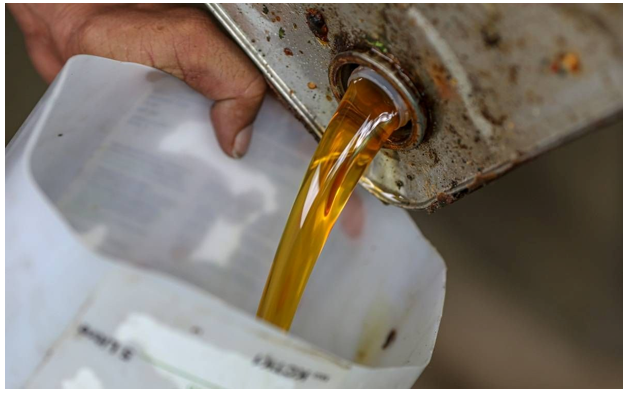
Waste Oil Collection
Waste oil, also known as used oil, consists of harmful materials that can cause water and soil pollution. It can also affect human health and wildlife. This waste oil comes from various sources, including industrial, automotive, and food services.
Waste oil collection means storing, removing, and disposing of waste oil from your organisation. Waste oil management is important for sustainability and environmental protection. Efficient waste oil collection not only mitigates environmental hazards but also converts waste oil into valuable resources.
Impacts of Improper Waste Disposal
Waste oil is one of the top pollutants in the world. It damages aquatic life by forming a coating layer above the water surface, which stops light and oxygen from reaching plants and wildlife. It causes soil degradation and reduces plant growth.
Waste oil pollutes the air we breathe when it is burned in furnaces without being treated. These burns release hazardous chemicals into the atmosphere and cause pollution. Waste oil has adverse effects on agriculture, and it also contaminates drinking water, which is harmful to human life.
It can take years or even decades to recover contaminated water and soil. Moreover, gas emissions from waste oil contribute to climate change and can lead to global warming. In short, improper waste disposal is harmful for plants, animals and human life.
Process of Waste Oil Collection
Waste oil collection is the way to get rid of hazardous or waste oil. The first step of this process is to identify the type of waste oil. Use a container or a tank with a tight lid to prevent leaks. Make sure to collect waste oil in that container and never mix this waste oil with other chemicals. This can make it difficult to dispose of properly.
Keep this container or tank in a cool or dry place away from sunlight. Properly label the container to avoid its misuse. Contact a licensed and authorised waste oil collector who provides tank cleaning services as well. The collector will transport the waste oil to the processing unit for its efficient disposal. Authorised collectors adhere to strict storage and handling standards to avoid any damage or leak.
Sustainable Oil Disposal Practices
Waste oil undergoes a series of processes after transportation to minimise environmental hazards and to recover valuable resources. Disposal methods are used according to the type of waste. Recycling can convert this waste oil into various useful oil products such as base oil for lubricants and fuel oil.
You can ensure efficient waste oil disposal by collaborating with certified waste handlers. The best practice for sustainable waste oil disposal is to avoid improper disposal, use a specific container for collection, contact waste handlers and follow local regulations.
Benefits Of Proper Waste Oil Collection
Waste oil collection is important to keep the environment free from hazards and to protect human health and wildlife as well. It is a shared responsibility that aligns with global sustainable development goals. Proper waste oil collection can lead to the production of valuable products and cost savings.
Waste oil can be used again and again by recycling and refining. It conserves natural resources and protects the environment. Recycling limits energy consumption, which is cost-efficient. You can use waste oil for heat production as well. Recycled waste oil can also be used to generate electricity, and it contributes to technological advancement as well, such as heating boilers.
Conclusion
Waste oil disposal is important to protect the environment, plants and human life. Proper waste oil disposal methods should be followed to get valuable resources. This waste oil can be used again and again by recycling and refining, making it more cost-efficient. Waste oil collection is not the responsibility of an individual, but it is a shared responsibility among organisations and communities.
Identify the type of waste and collect it in a certain container to transport it for the recycling process. Recycling conserves natural resources and converts this waste oil into valuable and usable resources. Improper waste oil disposal is harmful to the environment, and its proper disposal requires special expertise.