



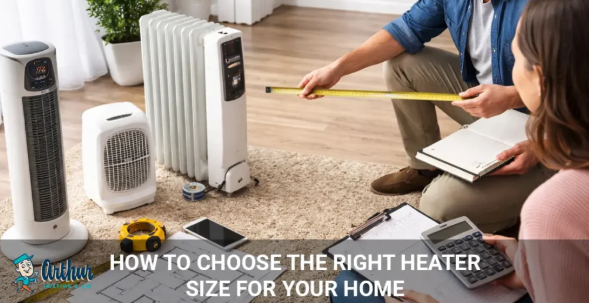
Buying a heater is easy – just grab whatever model is on sale and you’re ready to go. Stop right there – it’s not that simple.
Room sizes, insulation levels, desired energy efficiency, safety considerations and lifestyle requirements all factor into your decision when purchasing a heater, point out Keyrenter Triad experts. Pick wrong and you’ll be left freezing cold, paying sky-high electricity bills or stuck with a poorly performing heater.
This handy heater buying guide will show you what you need to consider before stepping foot into a heater shop. By the time you’ve finished reading, you’ll know exactly what type of heater to buy for your home. No more unwanted heaters!
1. Identify Your Heating Requirements
Before even browsing through heater models, stand back and consider how you’ll be using your heater:
Which rooms will it be used in? Bedroom, lounge room, home office? All of the above?
How frequently will you need it running? All day, every day? For short periods only? Evenings and overnight?
Do you need it for supplemental heating or will it be your main heater?
The answers to these questions will help you determine what type of heater to buy and how powerful.
An office may only need a small electric heater to keep things warm whereas a family sized lounge may require one or more powerful gas heaters or oil-filled radiators.
2. Determine Which Type of Heater To Buy
Heater shops generally stock a variety of heater types, and each has its own strengths and weaknesses.
- Electric Heaters – Require no installation and are portable, making them perfect for small or medium rooms. They heat up quickly but tend to be more expensive to run long-term.
- Gas Heaters – Best for large rooms but require ventilation and professional installation. Also ideal where there is easy access to gas supply.
- Oil-Filled Radiators – Slow to heat but provide even heat for longer periods. Oil radiators continue to produce heat after being turned off. Ideal for bedrooms or other areas which require long-term background heating.
- Infrared Heaters – Heat objects/people directly instead of heating the air. Infrared panels provide effective, energy-efficient heating.
Pro-tip: In some instances it may be appropriate to use more than one type of heater depending on room size, insulation levels and usage.
3. Know Heater Size Matters
This is one of the biggest mistakes people make when buying a heater. Purchasing an undersized heater will have it running constantly, driving up your energy bills and leaving you feeling cold.
On the flip side, an oversized heater will waste energy and overheat your space.
Most heater shops can recommend the perfect wattage based on room size, ceiling height and insulation level. Don’t be afraid to ask!
4. Factor In Energy Efficiency
While selecting a heater with good energy efficiency is good for the environment, it also affects your electricity or gas bill.
Look for heaters with the following features:
- Thermostats
- Timers or programmable settings
- Eco modes
- Smart controls
Heater shops should be able to provide you with an estimated running cost for each heater so you can weigh up the initial cost versus ongoing energy efficiency.
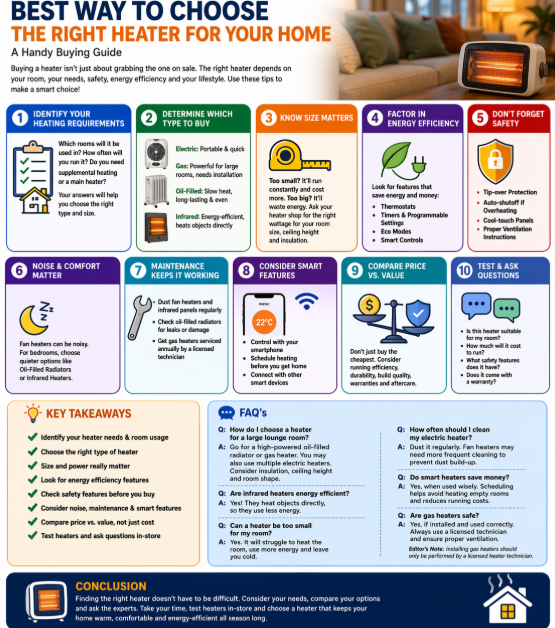
5. Don’t Forget Safety
Did you know heating appliances can pose a serious fire risk if used incorrectly? Before purchasing, check the heater includes:
- Tip-over protection
- Auto-shutoff if overheating
- Cool-touch panels (especially important if you have children or pets)
- Proper instructions for ventilation and best placement
Reputable heater shops should be able to explain heater safety features in layman’s terms so you know how to safely operate your heater.
6. Noise & Comfort
Electric heaters can come with noises that some people don’t like. Fan heaters, in particular, can become annoying if they’re located in the wrong room. Always ask yourself:
Will the heater be in a bedroom? If so, consider quieter options such as oil-filled radiators or infrared heaters.
Will you leave the heater on for prolonged periods? Fan heaters are great for burst heating but can annoy the heck out of you if used continuously.
Even a slight hum or buzz can be considered annoying by some. If you’re unsure about noise levels, test heaters in-store or ask for a demonstration.
7. Maintenance
Most electric heaters are low maintenance but that doesn’t mean you shouldn’t do anything.
For example:
- Give fan heaters and infrared heater panels a quick dust every now and then to ensure the fans aren’t blocked
- Check your oil-filled radiators for any signs of damage or leaks
- Make sure your gas heater is serviced annually or as per your local regulations
Heaters that are easier to maintain will perform better and last longer.
8. Bonus Features
Smart heater features have become very common. Many heaters give you the ability to:
- Remote control your heater via an app on your smartphone
- Schedule your heater to have your room warm before you walk in the door
- Connect your heater to other smart devices in your house
Smart features aren’t for everyone, but if it’s something you’re after, test them out at the store before buying.
9. Compare Price vs Value
Price is always a consideration when buying something new but don’t just settle for the cheapest heater. Factor in:
- Running efficiency
- Durability
- Build quality
- Warranties and aftercare
Spending that extra dollar can sometimes save you a lot more down the track.
10. Test and Ask Questions
If you have the option to view heaters operating at a heater shop, do it. Feel the heat, listen to the fan and see how long it takes to heat up a room. Ask questions of the sales team:
- Is this heater suitable for my room?
- How much will this cost me to run?
- What safety features does this model have?
- Does this heater come with a warranty?
You’ll never know if you don’t ask!
Key Takeaways
- Identify heater room usage
- Determine heater type
- Know size/power matters
- Factor energy efficiency into your decision
- Proper safety features should be considered
- Take notice of potential noise and disruptions
- Look for heaters with low maintenance needs
- Compare price vs value, not just cost
- Ask questions and test heaters in-store
FAQ’s
1. How do I choose a heater for my large lounge room?
Go for a high powered oil-filled radiator or gas heater. Alternatively, use multiple electric heaters. Consider room shape, insulation and ceiling height.
2. Are infrared heaters energy efficient?
Yes! Because they heat objects instead of heating the surrounding air, they use less energy.
Perfect for rooms where people don’t spend long amounts of time.
3. Can I get a heater that’s too small for my room?
Yes! If your heater isn’t powerful enough it will struggle to heat the room, use more energy and your room won’t warm up.
4. How often should I clean my electric heater?
This depends on the heater. Most electric heaters only require you to dust them every now and then. Fan heaters may require more frequent cleaning to prevent the fan from blocking due to dust build-up.
5. Do smart heaters save you money?
Smart features like app control and scheduling can save you money if used correctly. By scheduling your heater to only run when required, you’ll avoid heating empty rooms.
6. Are gas heaters safe?
Yes, provided they are installed and used correctly. Ensure your heater has been installed according to Australian standards and you have adequate ventilation.
Editor’s Note: Installing gas heaters should only be performed by a licensed heater technician.
Conclusion
Finding the right heater for your home doesn’t have to be difficult. By taking into consideration all the tips mentioned above, you’re well on your way to making an informed decision and avoiding unwanted heaters.
Remember, you can also take advantage of heater shop staff who can provide demos and answer any questions you may have before you make your purchase. Take your time, ask questions and find heaters that suit your needs and lifestyle.