



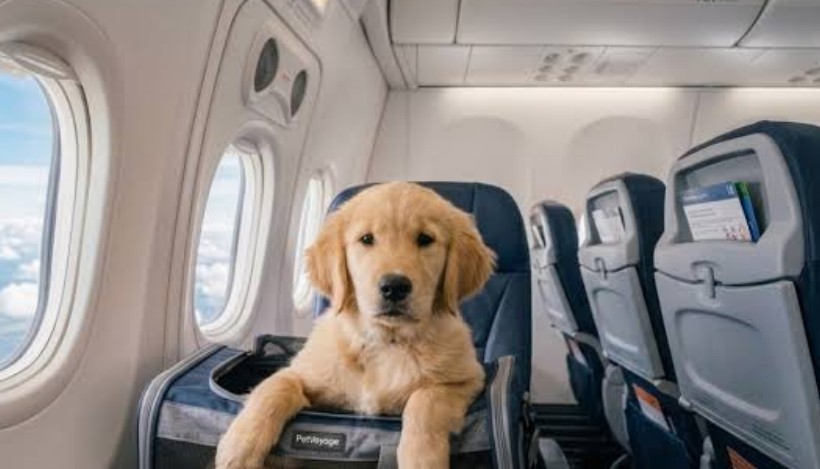
Air travel with your dog involves significantly more preparation than traveling by car. The regulations regarding dogs traveling by air vary from carrier to carrier; the regulations for importing animals into many countries differ as well. Additionally, some dogs find air travel extremely stressful.
Whether you’re taking a family vacation abroad, relocating internationally or traveling for work, there are several preparations you can take prior to leaving to help minimize stress and risk associated with transporting your dog via airplane.
Learn the Airline’s Pet Travel Policy
Before departing, it is helpful to understand what the airline’s pet travel policy entails. Pet travel policies vary greatly among airlines and will likely determine if your dog can fly in the cabin or if they need to be transported in the cargo area of the plane.
Typically, airlines will establish limitations based upon the following criteria:
- Breed
- Age
- Weight
- Carrier Dimensions
- Destination Country
- Seasonal Weather Conditions
Additionally, due to limited capacity for pets on aircraft, many airlines limit the number of pets that may be carried on each flight. Early booking of your pet’s reservation is recommended to ensure availability.
Choose the Right Travel Crate
A suitable travel crate is probably the most critical factor concerning safety during air travel with your pet.
Your chosen crate needs to accommodate your pet comfortably (i.e., allowing them to stand up, move about freely, lie down, etc.) while providing adequate ventilation on at least two sides of the crate to maintain good airflow during the duration of the journey.
In addition to being able to secure the crate door safely, the crate itself should be constructed of durable materials and be capable of resisting damage during handling by ground personnel during both loading and off-loading of your pet from the aircraft.
It is often required by airlines that travel crates meet International Transportation Standards. Therefore, check specifications related to size and construction before purchasing or utilizing a travel crate.
Help Your Dog Adapt Before the Flight
Using the crate for the first time when you are departing for your trip will increase anxiety.
As opposed to this, let your dog get used to being in the crate over the course of a few weeks. Leave the crate door open at home with some familiar bedding in the crate so he can explore it voluntarily and associate the crate with a good experience.
Gradually building up his confidence by shortening the time spent in the crate, then increasing the time, will help him be comfortable in the crate. If your dog has never been transported before, short trips in the vehicle while using the crate can assist in preparing him for the motion of traveling.
Generally speaking, dogs that are confident about being in their crates will adapt more easily to new environments.
Prepare the Required Documentation
Typically, air travel involves much more paperwork than does local travel. Documentation required may depend upon where you are going (for example), vaccination records, a health certificate, micro-chip information, an import permit, or proof of treatment against parasites.
In some cases, certain blood tests or extended waiting periods before entry into another country may be required. The process of obtaining these documents can take weeks or even months; therefore, early planning is essential. Having both physical and electronic versions of important documents will minimize any inconvenience should you lose any of these documents while traveling.
Schedule a Pre-Flight Veterinary Examination
An examination by a veterinarian before flying will verify whether or not your dog is healthy enough for flight. Typically, this examination includes checking overall health, current vaccinations, past medical history and medication that your dog is currently taking. Generally, older dogs, young dogs (puppies), and those with ongoing medical problems may require more evaluation before flying.
In addition to evaluating your dog’s overall fitness for flying, a veterinary consult will also provide an opportunity to evaluate potential risks based on breed characteristics. Specifically, dogs with short nasal passages, commonly referred to as brachycephalic breeds, may have difficulty breathing due to the stress associated with air travel.
Therefore, they may require more attention when considering flying. A pre-flying consultation will also provide an opportunity to discuss any destination-specific health issues related to parasites, climates, etc.
Managing Stress During Air Travel
Travel affects all dogs differently. While many dogs are perfectly calm throughout the entire trip, some react negatively to new situations, the noise of an airplane and being confined for long periods of time. Some common indicators of travel related stress in your pet are:
Excessive Panting
Panting can also be caused by excessive heat; however, heavy panting without apparent causes may indicate your pet is experiencing anxiety or distress during travel.
Vocalization
Your pet may whine, bark, or howl as it responds to its environment or as it becomes distressed due to separation from you.
Restlessness
Changes in position, pawing at a crate, or having difficulty settling can indicate increased stress levels in your pet.
Pre-trip routines may aid some pets in relaxing normally during flight. For example, maintaining a regular pre-flight routine and providing ample opportunity for your pet to exercise prior to traveling will allow some pets to naturally relax during the flight.
Is Sedation Recommended?
Some pet owners may consider sedation to reduce travel anxiety, but it is not routinely recommended. However, routine sedation for pets before air travel is generally discouraged.
Sedatives can affect breathing, balance and temperature regulation, so their use during air travel requires careful veterinary evaluation.
If your pet has extreme travel induced anxiety, consult with your veterinarian individually before scheduling your pet’s travel so they can provide guidance on what medications may benefit your pet.
Preparing for Arrival
Air travel is just one part of the overall process. When you land at your destination, there are additional things you will have to do with your dog.
Depending on where you traveled from (climate, time zone), it could take some time for your dog to get back into their routine. If your dog needs to go outside to use the restroom, provide them with plenty of fresh water and allow them to rest before doing anything else strenuous.
In addition, if you were traveling out of the country, you should know what to expect when you arrive. This includes knowing about customs procedures, quarantine rules, and inspection procedures that may apply.
The less disruption you cause in your dog’s routine (food times, etc.), the easier this transition will be for your dog.
Common Mistakes to Avoid
Air travel with dogs has several challenges that can complicate preparation. Waiting too late to obtain required documents and paperwork may keep you from getting everything needed for travel. Using a crate that is the wrong size for a flight may cause the airlines to reject your crate or subject your dog to unnecessary suffering. Not providing your dog with adequate crate training, feeding a large amount of food right before flying, and not researching the laws of the area you plan to visit are all examples of ways to unnecessarily complicate traveling with a dog.
Most problems associated with traveling with dogs can be avoided through good planning and preparation.
Conclusion
Planning when flying with your dog will require you to pay close attention to what each of the airlines is looking for in terms of compliance. When preparing to fly with your dog, it is also very important that you take into account your dog’s overall welfare. For example, if you want to ensure your dog is comfortable during a flight, you will need to have them use an adequate travel crate.
In addition, you will need to make sure you have the required paperwork (e.g., vaccination records) for your dog. A veterinarian should do a health assessment on your dog before traveling. It will also help your dog adapt to its new travel crate by giving it some time to get used to it.