



Incorporate Living Walls and Green Screens for Lush Vertical Interest
Living walls bring a vibrant, natural element to any outdoor space. These vertical gardens, packed with plants, can hide plain walls or fences, adding color and texture. They’re especially useful in smaller gardens or on balconies where ground space is limited. Choosing plants with shallow roots and evergreen varieties helps maintain a lush look year-round. A well-designed living wall acts as a beautiful, breathing screen.
Support Local Wildlife with Nature-Friendly Screening Choices
Opting for natural screening can also benefit local wildlife. Native hedges and mixed plantings attract pollinators like bees and butterflies, adding life to your garden. Materials like reclaimed wood or durable aluminum offer sustainable choices that last longer. This approach not only looks good but also contributes positively to the environment. Supporting local wildlife through your garden screening choices is a win-win.
Add Privacy and Greenery with Hedges and Trees
Hedges and trees are classic choices for garden screening, offering both privacy and a connection to nature. Evergreens provide year-round enclosure, while deciduous options offer seasonal change. Taller trees can create a sense of shelter and define garden areas, while hedges soften boundaries. Using a mix of heights and types of plants creates a dynamic and natural barrier. This type of natural screening feels integrated and timeless, improving the overall garden atmosphere.
Create Ambiance with Decorative Garden Screening
Use Architectural Salvage for Unique Garden Divisions
Old bits and pieces from demolished buildings can really make a garden feel special. Think about using old stone walls, maybe with a cool window shape cut into them, to split up your yard. It’s a way to add history and character that new stuff just can’t match. This kind of decorative garden screening gives you a glimpse into other parts of your garden, making it feel bigger and more mysterious. It’s a great way to make your outdoor space feel like a series of discoveries.
Design Features with Laser-Cut and Corten Steel Screens
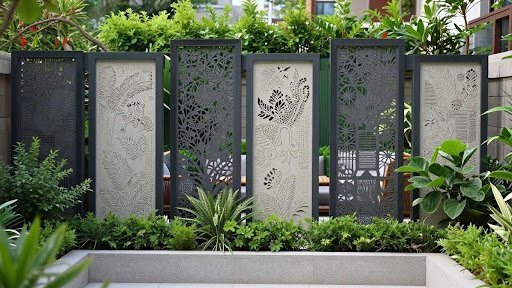
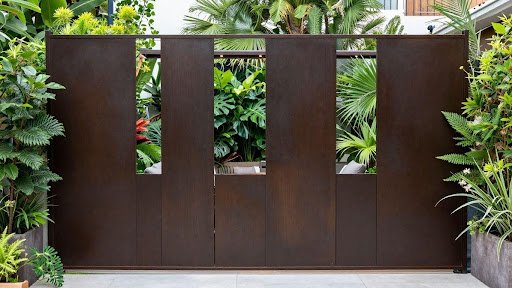
Screens with fancy cut-out patterns, like those made with lasers, or screens made from Corten steel (that rusty-looking metal) can be more than just dividers. They can be art pieces for your garden. These decorative garden screening options can guide your eye to a nice view or just be interesting shapes on their own. They help create separate ‘rooms’ in your garden without being too solid, keeping things feeling open.
Incorporate Trellis Panels for Subtle Screening
Simple trellis panels are fantastic for adding a bit of privacy without blocking everything out. Once plants like jasmine or clematis start to grow all over them, they become living walls of green and flowers. This kind of screening feels light and textured. It’s perfect for putting next to a path or a seating area where you want a bit of separation, but not a heavy wall. The plants make the trellis feel alive and add a lovely scent to the air.
Divide and Define Outdoor Spaces
Divide Areas with Planted Barriers for a Sense of Journey
Sometimes, a garden can feel like one big, open space. Using plants to create divisions can make it feel more interesting, like you’re discovering different areas as you walk through. Think about planting a row of tall grasses or a thick hedge. This kind of screening doesn’t just block the view; it guides you. It makes you wonder what’s around the next bend.
This approach turns your garden into a series of experiences. You might have a quiet corner for reading, a spot for dining, and another for playing. Each area feels a bit separate, a bit special. It’s a way to add depth and a feeling of exploration to your outdoor living area. This thoughtful placement of planted barriers creates a sense of journey.
Use Arbors and Arches to Screen and Define Garden Rooms
Arbors and arches are fantastic for marking the entrance to a new part of your garden. They act like doorways, signaling a transition. As you walk through an archway covered in climbing plants, you enter a new ‘garden room.’ This kind of screening is gentle; it hints at what’s beyond without completely hiding it.
These structures are great for defining spaces without making them feel closed off. They add vertical interest and a touch of romance. Imagine a rose-covered arch leading to a secluded seating area. It’s a beautiful way to create distinct zones and add charm. Arbors and arches offer a charming way to define outdoor rooms.
Create Distinct Zones with Thoughtful Screening Placement
Placing screens strategically is key to making your garden feel organized and purposeful. Whether you use plants, panels, or structures, the goal is to create separate areas for different activities. This thoughtful screening placement helps manage the flow of your outdoor space.
Consider where you want a bit more privacy, like a seating area, or where you want to hide an unsightly utility box. Even a simple trellis panel can make a big difference. The right screening placement can transform a simple yard into a series of functional and beautiful outdoor rooms.
Practical Applications of Garden Screening
Disguise Unsightly Areas with Attractive Screening Solutions
Sometimes, the most practical use for garden screening is simply to hide things. We all have those spots in the yard that aren’t exactly magazine-worthy – maybe it’s the compost bin, the garden shed, or even just a messy corner where tools tend to pile up. Instead of letting these eyesores detract from your outdoor oasis, decorative garden screening can step in. Think of a trellis panel covered in fast-growing ivy or a vibrant flowering vine. It not only conceals the less attractive elements but also adds a beautiful, green dimension to your garden. This approach makes your garden more functional and visually appealing, turning a potential problem area into a feature.
Create a Garden Screening Structure for Privacy
Beyond just hiding clutter, garden screening can be used to build actual structures that offer privacy. This could be anything from a simple, freestanding panel to a more elaborate setup. For instance, a slatted wooden screen can create a semi-private boundary that still allows some light and air through, perfect for a patio area where you want a bit of seclusion from neighbors without feeling completely cut off. These structures are key for defining personal spaces within your yard, allowing you to relax, dine, or entertain without feeling observed. The right garden screening structure can transform an open, exposed area into a cozy, private retreat.
Utilize Overlooked Garden Screening Ideas for Enhanced Privacy
Don’t forget about the less obvious spots when planning your garden screening. Sometimes, the best privacy solutions come from using existing features or thinking outside the box. Consider using taller plants or a series of decorative panels to screen off a specific seating area, creating a ‘room’ within your garden. Even a narrow side passage can be made more appealing and private with the addition of a well-placed screen. The goal is to use garden screening not just as a barrier, but as a design element that adds interest and functionality. By thoughtfully placing screens, you can create a sense of journey and discovery, making your entire outdoor living area feel more expansive and secluded.
Structural Elements for Garden Screening
Consider Pergolas for Enclosure and Privacy
Pergolas offer a fantastic way to add structure and a sense of enclosure to your outdoor space. These overhead structures can be fitted with side panels or screens, creating a sheltered area that provides both shade and privacy. Think of a pergola as a semi-permanent garden room, perfect for dining or relaxing without feeling completely exposed. The structural element of a pergola itself can be a design feature, and when combined with screening, it becomes a truly functional piece of garden architecture. This type of garden screening is quite versatile.
Add Color and Privacy with Stylish Awnings
Awnings are a more flexible screening solution, often used to provide shade over patios or decks. While primarily for sun protection, many modern awnings can also offer a degree of privacy, especially those with vertical side drops. They can add a pop of color to your garden and are a great way to screen a specific seating area. When not in use, they can often be retracted, giving you control over your outdoor environment. Awnings are a practical choice for adding privacy without a permanent structure.
Build Sheltered Structures on Exterior Walls
Utilizing exterior walls for screening can be a smart move, especially in smaller gardens. Attaching structures like screens, trellises, or even modular panels directly to a wall can save space and provide a solid backdrop. This method is excellent for disguising less attractive wall surfaces or for creating a defined zone against the house. Consider how these structural elements can integrate with your home’s existing architecture for a cohesive look. This form of garden screening can really make a difference.
Modern and Contemporary Screening Solutions
Use Slatted Fences for a Modern, Semi-Private Boundary
Slatted fences bring a clean, modern look to any outdoor area. They offer a good balance, providing privacy without making the space feel closed off. Light filters through the gaps, creating interesting patterns on the ground. This makes them a smart choice for smaller yards or city gardens where you want some seclusion but still need the area to feel open and airy. The slatted fence design is really popular right now for its sleek appearance.
Explore Sleek Aluminum or Slatted Designs for Modern Spaces
When thinking about modern garden screening, materials like aluminum and wood slats stand out. Aluminum screens are durable and low-maintenance, perfect for a contemporary vibe. Wood slats, whether horizontal or vertical, offer a warmer feel while maintaining that modern aesthetic. These options work well for defining boundaries or creating private nooks. Choosing a sleek aluminum or slatted design really ties a modern garden together.
Incorporate Louvred Panels for a Textured Backdrop
Louvred panels add a unique texture and visual interest to your garden. They offer adjustable privacy, allowing you to control the amount of light and view. This makes them incredibly versatile for different areas of your outdoor space. They can act as a stylish backdrop for seating or a subtle divider between zones. The angled slats of louvred panels create a dynamic look that feels both modern and sophisticated. This type of screening is a great way to add a bit of flair.
Bringing It All Together
So, as you can see, adding decorative garden screening is more than just putting up a fence. It’s about creating different zones, hiding those less-than-pretty spots, and generally making your outdoor space feel more like your own private getaway. Whether you go for plants, panels, or even some cool reclaimed bits, there are tons of ways to make your garden look better and feel more comfortable. It really can make a big difference in how much you enjoy spending time outside.