



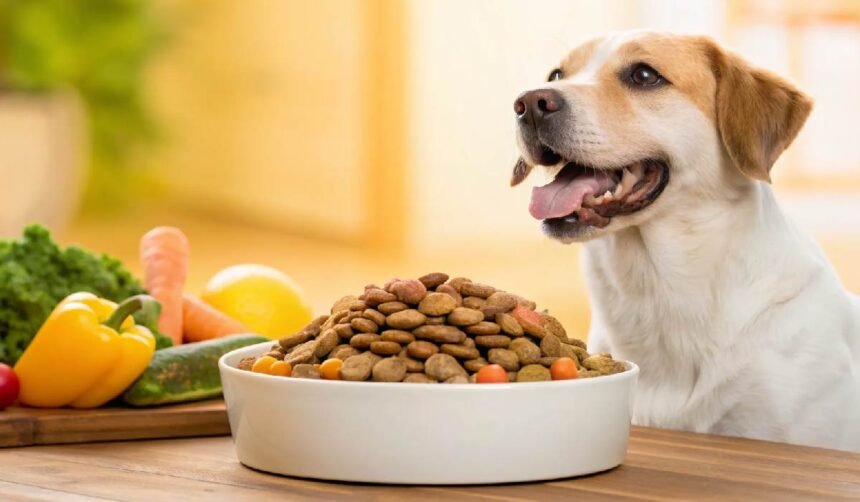
As pet owners become increasingly aware of the connection between nutrition and overall wellbeing, fresh dog food has gained significant popularity across the globe. While traditional dry and processed dog foods remain common, many owners are exploring fresh food alternatives to support their dog’s health, energy levels, and quality of life.
One of the most notable benefits of fresh dog food is its positive impact on digestion and gut health. A healthy digestive system plays a vital role in nutrient absorption, immune function, and overall wellbeing. Understanding how fresh dog food supports digestive health can help pet owners make informed decisions about their dog’s diet.
Understanding Canine Digestive Health
A dog’s digestive system is responsible for breaking down food, absorbing nutrients, and eliminating waste. When digestion functions efficiently, dogs are better able to utilise the nutrients they consume, supporting healthy growth, energy production, and bodily functions.
However, poor-quality ingredients, excessive fillers, and heavily processed foods can sometimes contribute to digestive issues. Common signs of digestive discomfort may include irregular bowel movements, excessive gas, bloating, vomiting, or reduced appetite.
Supporting gut health through proper nutrition can help minimise these issues while promoting overall wellness.
Fresh Dog Food Contains High-Quality Ingredients
One of the primary advantages of fresh dog food is the use of high-quality, recognisable ingredients. Fresh diets often include real meat, vegetables, and nutrient-rich foods that undergo minimal processing.
Because these ingredients are generally closer to their natural state, they may be easier for dogs to digest compared to heavily processed alternatives. High-quality protein sources can also contribute to better nutrient absorption and digestive efficiency.
By providing more digestible ingredients, fresh dog food helps reduce the strain on the digestive system while supporting healthy gastrointestinal function.
Improved Nutrient Absorption
Digestion is not simply about breaking down food—it is also about absorbing the nutrients necessary for good health. Fresh dog food often retains more naturally occurring vitamins, minerals, and nutrients due to lower levels of processing.
When nutrients are more readily available, the digestive system can absorb them more efficiently. This improved nutrient utilisation may support healthy skin, a shiny coat, strong muscles, and sustained energy levels.
Better nutrient absorption also means dogs may derive more benefit from each meal they consume.
Supports a Healthy Gut Microbiome
The gut microbiome refers to the community of beneficial bacteria that live within a dog’s digestive tract. These microorganisms play a critical role in digestion, immune function, and overall health.
Fresh dog food often includes natural ingredients that can help support a balanced gut microbiome. Vegetables and fibre-rich ingredients may provide nourishment for beneficial bacteria, helping them thrive.
A healthier microbiome can contribute to improved digestion, stronger immune responses, and greater resilience against digestive disturbances.
Reduced Exposure to Artificial Additives
Many pet owners choose fresh dog food because it typically contains fewer artificial preservatives, colours, and flavour enhancers than some highly processed alternatives.
While not all processed foods are problematic, reducing unnecessary additives may help some dogs with sensitivities or digestive challenges. Simpler ingredient lists can make it easier to identify foods that agree with a dog’s digestive system and avoid potential triggers.
For dogs with sensitive stomachs, a fresh food diet may provide a gentler nutritional option.
Promotes Healthier Stools
One of the most noticeable signs of improved digestion is healthier stool quality. Dogs fed a fresh food diet often produce firmer, more consistent stools due to better digestibility and nutrient utilisation.
Because the body is able to use more of the nutrients consumed, there may be less waste material to eliminate. This can result in smaller, more regular bowel movements and reduced digestive discomfort.
Monitoring stool quality is often one of the simplest ways for pet owners to assess digestive health.
May Help Reduce Digestive Discomfort
Some dogs experience digestive issues due to food intolerances, sensitivities, or difficulty processing certain ingredients. Fresh dog food can sometimes help reduce symptoms such as excessive gas, bloating, and stomach upset by providing a cleaner and more digestible source of nutrition.
Transitioning to fresh food may allow owners to better identify ingredients that support their dog’s digestive comfort while avoiding those that contribute to discomfort.
As with any dietary change, gradual transitions are recommended to minimise digestive disruption.
Choosing the Right Fresh Dog Food
Not all fresh dog food products are created equally. Pet owners should look for nutritionally balanced options that meet their dog’s specific life stage, size, activity level, and health requirements.
When selecting fresh dog food, consider:
- High-quality protein sources
- Whole food ingredients
- Appropriate fibre content
- Balanced vitamins and minerals
- Transparent ingredient lists
Consulting a veterinarian can also help ensure that dietary choices align with your dog’s individual nutritional needs.
Final Thoughts
A healthy digestive system is essential for a dog’s overall wellbeing, and nutrition plays a central role in maintaining optimal gut health. Fresh dog food offers several potential benefits, including improved digestibility, enhanced nutrient absorption, support for beneficial gut bacteria, and reduced exposure to unnecessary additives.
By choosing high-quality fresh food and ensuring a balanced diet, pet owners can help support their dog’s digestive health, comfort, and long-term vitality. As awareness of canine nutrition continues to grow, fresh dog food is becoming an increasingly popular option for those seeking a more natural approach to supporting their pet’s wellbeing.