



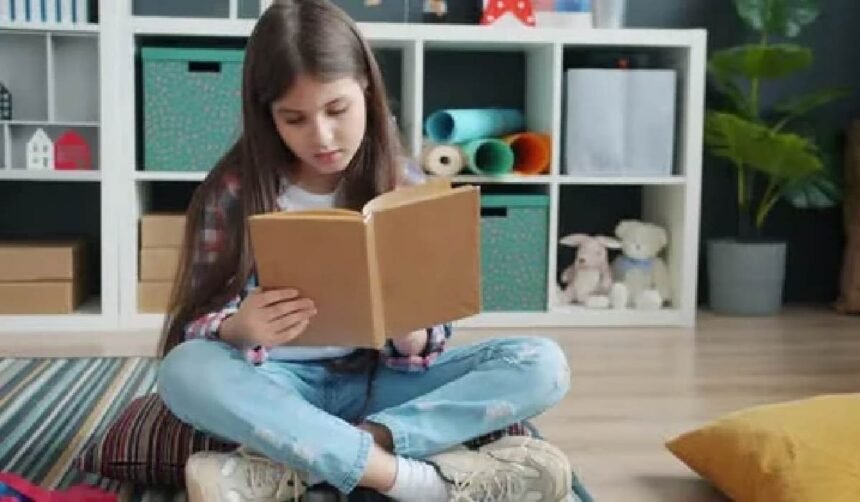
A dedicated reading space can make a real difference to how much children enjoy books, says Keyrenter West Chicago. When they’ve got a cosy corner to call their own, they’re more likely to pick up a book and stick with it. It doesn’t need to be a whole room, even a small section of a bedroom or living area can work really well.
Getting the setup right doesn’t take much, but a few good choices will go a long way. Keep reading to find out how to build a reading nook that children will actually want to use.
Choosing the Right Spot
The best reading nooks tend to be tucked away from the busiest parts of the home. Think about areas that already feel a little separate, under the stairs, beside a window, or in a quiet corner of a bedroom.
Natural light is a bonus, but it’s not essential. What matters most is that the space feels calm and set apart from the rest of the room. Children tend to settle better in spots that feel like their own little hideaway.
Making It Comfortable
Comfort is everything when it comes to encouraging children to sit and read for longer. A few floor cushions, a beanbag, or a small armchair will all do the job. Keep the seating low to the ground so children can get in and out easily on their own. Add a soft blanket or two, and you’ve got a spot that’ll be hard to resist.
Letting in Light (Without Glare)
Good lighting makes reading much easier on the eyes. A small lamp positioned beside the seating works well, but natural light from a nearby window is always a good option too.
If you’re thinking about using a glazed panel or roof section above the nook, a clear polycarbonate multiwall sheet can diffuse light beautifully while keeping the space warm and bright. It’s a practical choice for garden rooms or outbuildings being converted into reading spaces.
Just make sure bright sunlight won’t fall directly onto the page, a little shade or a light curtain will sort that out.
Adding Storage for Books
A good reading nook needs easy access to books. If children have to hunt through a messy bookshelf in another room, they’ll often just not bother.
Some simple storage ideas include:
- A small bookcase or shelving unit fitted beside the seating
- Wall-mounted book ledges that display covers facing outwards
- A fabric book pocket hung over the side of a chair or the wall
- A small basket or crate on the floor for easy browsing
Keeping the selection small and rotated regularly tends to work better than overwhelming children with too many choices at once.
Personalising the Space
The more a child feels the space belongs to them, the more they’ll want to use it. Let them have a say in the colours, cushion covers, or any small decorations they’d like to add.
Polycarbonate sheets are also great for creative projects. Children can paint directly onto them with acrylic paints, creating their own colourful panels or window art to display in and around the nook. It’s a simple way to make the space feel personal without any permanent changes to the room.
Fairy lights, a small rug, or a favourite soft toy can all add character too. The goal is a space they’ll be proud of and excited to spend time in.
Wrapping Up
A children’s reading nook doesn’t need to be complicated or expensive to put together. With the right spot, some comfortable seating, decent lighting, and a bit of personalisation, you’ll create a space that encourages a genuine love of reading.
Start small if you need to, even a pile of cushions in a quiet corner is a good beginning. You can always add to it over time as children grow and their tastes change.