



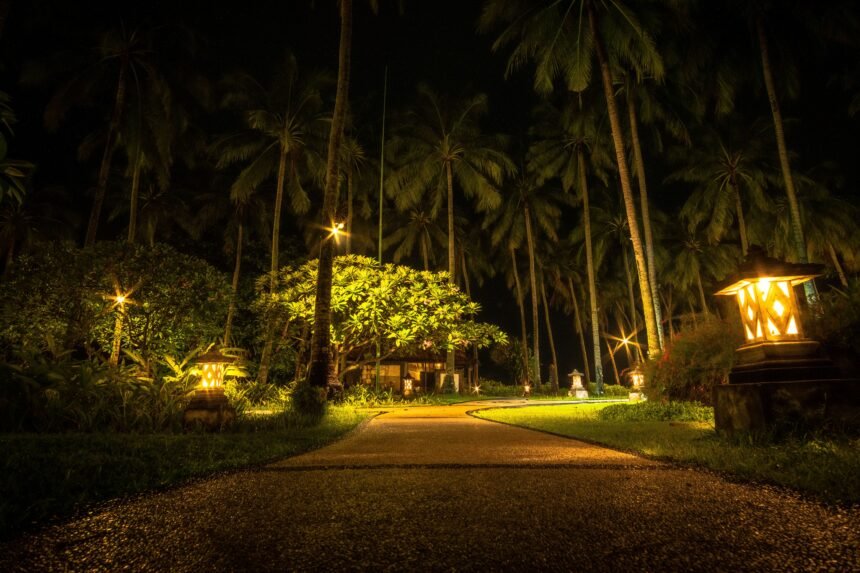
Most homeowners who want to improve their property’s outdoor lighting don’t know where to begin, and the range of options available makes starting points genuinely difficult to identify. The first instinct is often to browse fixture styles and select ones that look appealing, but this approach typically produces disconnected results because fixture selection should follow design decisions rather than precede them. Choosing fixtures before establishing design goals is equivalent to picking paint colors before deciding what kind of room you want to create.
Thinking about outdoor lighting design effectively requires a sequence of considerations that starts with the property and its specific characteristics before moving to any decisions about particular fixtures or light sources. Understanding this sequence helps homeowners approach outdoor lighting as a design project with clear logic rather than a series of independent purchasing decisions that may or may not come together into a cohesive result. Astoria Lighting Co approaches every residential outdoor lighting project through this design-first sequence, and the difference it makes in final outcomes is consistent enough to be worth explaining in detail for homeowners starting this process.
Starting With How the Property Is Actually Used After Dark
The most relevant design starting point is an honest assessment of how the outdoor areas of a specific property are actually used and experienced after dark, because different usage patterns create entirely different lighting priorities that no generic design approach can serve equally well.
A property where outdoor entertaining on a covered patio is a regular evening activity has fundamentally different lighting priorities than a property where outdoor spaces are experienced primarily from inside the home through windows and glass doors. A prominently visible corner lot where street presence matters has different priorities than a private property set back from the road behind mature screening trees. Starting with an honest description of how the property is actually used and viewed after dark, rather than how someone imagines it could ideally be used, produces design decisions that serve the real situation rather than an aspirational version of it.
Identifying the Property’s Visual Assets
Every property has visual assets that outdoor lighting can reveal and emphasize: mature trees with interesting branching structure, architectural details that define the home’s character, water features that become dramatically different after dark when lit correctly, garden beds with seasonal interest and textural variety, and hardscaping elements that create visual interest in the landscape composition.
Identifying these assets and determining which are most significant, most visible from important viewpoints, and most worth revealing after dark provides the foundation for accent lighting decisions that are genuinely specific to the property. The goal is to identify what the property already contains that deserves to be seen after dark, rather than deciding what lighting to add and then finding subjects for it. The order of this process matters considerably in the quality of outcome it produces.
Understanding the Practical Requirements First
Before aesthetic decisions are made, the practical lighting requirements of the property need clear identification. These include safety requirements for steps, pathways, and grade changes that create navigation hazards after dark; security considerations for zones around the property perimeter that would otherwise remain unlit; functional illumination for specific activity areas like outdoor dining and cooking spaces; and any applicable ordinance requirements for residential exterior illumination.
These practical requirements establish a minimum scope for the lighting system and identify specific locations where lighting is necessary regardless of aesthetic considerations. Aesthetic decisions can then be layered on top of this practical foundation rather than treated as the starting point, which ensures the finished system serves real needs while also achieving visual quality goals.
Setting a Realistic Budget and Planning a Phased Approach
Complete exterior lighting systems for residential properties span a wide investment range, and most homeowners benefit from thinking about outdoor lighting as a project that can develop thoughtfully over time rather than one requiring a complete system installed in a single phase. Planning for phased development allows investment to be distributed while ensuring each phase produces a complete and visually coherent result rather than partial coverage that creates an unfinished impression.
Phasing typically starts with the highest-impact, highest-priority areas: the home’s entry, the primary pathway from parking to the door, and the most prominent landscape focal point visible from the street or from inside the home. Subsequent phases expand coverage to additional landscape areas, outdoor living spaces, and broader architectural elements as budget allows and as priorities evolve through experience with the initial installation.
Choosing a Lighting Partner Who Understands Design
The quality of the design process matters as much as the quality of the installation in outdoor lighting projects. A partner who understands how layering, contrast, and shadow work together to create visual depth, who can translate homeowner preferences and property characteristics into a cohesive design, and who approaches the project with knowledge of both the technical and aesthetic dimensions produces results that fixture-selection approaches cannot match.
For homeowners ready to approach outdoor lighting as the design project it genuinely is rather than a series of individual purchasing decisions, Astoria Lighting Co provides the design expertise, installation quality, and ongoing support that transforms a property’s exterior from adequately lit to genuinely designed, revealing what the property contains after dark in a way that serves both daily enjoyment and long-term property value throughout the years the system remains in service.