



If you stepped outside last spring and wondered why your lawn suddenly looked patchy, you’re definitely not alone.
Homeowners all over the UK have been finding strange discoloured spots, thinning grass, and weeds that seem to have spent the entire winter preparing a hostile takeover.
Sure, warmer winters sound great on paper. You get fewer freezing mornings and maybe a bit of extra daylight. But for your grass, they kick off a chaotic chain reaction. Here’s what you should know.
More Pests
A sharp, sustained frost usually does the heavy lifting for you by wiping out a massive chunk of pests before spring arrives, which gives your grass a fair chance to recover. But when temperatures stay mild, that natural reset never really happens.
Instead, soil-dwelling pests like leatherjackets and chafer grubs survive the winter in absolute luxury. Worse yet, they start munching on your lawn’s roots way earlier than usual, long before you even realise there’s a problem.
So, if you want to save your lawn before it is completely hollowed out, you’ll need to call in a specialist. Professional treatment is often the quickest and most effective way to stop further damage and help your lawn recover.
Lawn Diseases
Fungal lawn diseases thrive in the kind of damp, mild winters we’ve been seeing more often. In the past, a prolonged freeze would hit the pause button on these fungi and keep them manageable, but our increasingly warm winters have completely rewritten the rules.
Now, red thread and fusarium patch can stay active for months on end, creeping across your garden and leaving ugly, discoloured blotches in their wake.
To make matters worse, many of these diseases look almost identical to the untrained eye. So, you might misdiagnose the issue and accidentally blast your grass with the wrong product.
That’s why getting a specialist diagnosis is the safest bet. A pro can identify the problem and recommend the right treatment, saving you from trial and error.
Longer Grass
Here’s the twist: warmer winters don’t just bring bugs and fungi; they also trick your grass into growing weeks ahead of schedule.
At first, that sounds like great news. Who wouldn’t want a lush, green lawn earlier in the year?
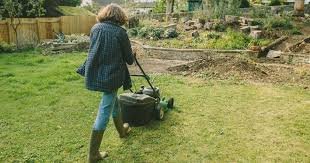
The problem is that all that extra growth comes with extra work. Instead of easing into lawn care in spring, you may find yourself mowing, feeding, and weeding much sooner than expected.
If you’re already juggling work and family commitments, keeping up with a fast-growing lawn can get old quickly. Luckily, there’s no shame in handing the reins over to a professional. After all, even the keenest gardeners have their limits.
Weeds
Because winters are becoming warmer, weeds often get a head start. By the time spring rolls around and you finally dust off your garden tools, these uninvited guests may have already set up camp.
Dandelions, creeping buttercup, and clover look lovely in a wild meadow, but they’re an absolute nightmare when they decide to choke out your lawn. They don’t play fair either; they’ll happily steal all the sunlight, water, and nutrients your grass needs to survive.
That’s why so many people across the UK now book lawn care services in late winter or early spring, hitting the weeds hard before the main growing season kicks off.
Drainage Problems
Winters in the UK are never dry, even when they’re warm. Over time, all that moisture can compact the soil and slow drainage, making it harder for air, water, and nutrients to move through the ground properly. So, your lawn may still look thin and patchy in spring.
Unfortunately, fixing drainage issues isn’t as simple as mowing your grass and hoping for the best. You need to aerate or scarify the soil and apply treatments to create better growing conditions for the roots.
While you can tackle some smaller problems yourself, more severe cases often require specialist equipment and expertise. After all, there’s only so much a garden fork can do when your lawn has spent months soaking up water like a sponge.
How to Choose the Right Lawn Care Provider
Now that everyone is realising their gardens need a little extra help, lawn care companies are popping up everywhere.
Some of them are brilliant. Others will show up, spray a generic, one-size-fits-all chemical on your grass, and leave you with a yard that looks just as dull in July as it did in March. To avoid wasting your hard-earned money on the second group, here’s what to look out for.
Look for Experience with Local Conditions
Grass doesn’t grow the same way everywhere. For example, the heavy clay soils common in some parts of the UK are completely different from the sandy soils found elsewhere.
Local weather patterns also play a big role in determining which weeds, pests, and diseases you’re most likely to deal with.
A provider who knows the area will tailor treatments to your lawn’s specific needs instead of reaching for the same solution they use every time.
Ask About Their Treatment Plans
A reputable company should always be able to explain exactly how they’ll treat your grass and why. If a technician turns up, takes a two-second glance at your yard, and immediately launches into a high-pressure sales pitch, take it as a red flag.
Instead, go ahead and ask them what kind of results you can realistically expect and how long it’ll take. You want to hear honest, measured answers, not wild promises that your lawn will look like Wembley Stadium within two weeks.
Check Reviews and Customer Feedback
Online reviews give you a clear window into how a business actually operates when no one is watching.
But don’t just look at a couple of glowing, perfectly polished five-star testimonials on their homepage. Instead, look for consistent patterns in what people say about their communication, punctuality, and follow-up care.
To find a reliable provider, type ‘lawn care near me’ into your search bar and take five minutes to cross-reference reviews across a few different platforms. Trust us, the gap between the best and worst operators out there is massive.
Conclusion
Warmer winters may have made lawn care a little more complicated, but the right tools and expertise are right at your fingertips.
So, compare local providers and make that call. Come summer, when you’re relaxing outside and your grass is looking incredible, you’ll be glad you didn’t wait until June to step in.