


Comme des Garçons is kinda popular because the brand has a clear design identity, plus those limited releases , and also a long lasting influence on global fashion. The label was founded by ReiKawakubo, and it mixes avant-garde runway collections with more approachable lines like PLAY . Then the collabs—things likeStüssy, Converse, and Supreme—helped the whole thing stay culturally relevant, not just in fashion circles. hose limited drops, controlled distribution, and the very recognizable branding, kind of keep the global demand alive, while also preserving that exclusivity feeling.
The Brand Operates as a Fashion Entity, Not a Trend Label
Comme des Garçons is still one of those most recognized names in global fashion, mainly because it works, a bit differently from the usual luxury brand script. It is not really constructed around seasonal trend adaptation, nor around mass-market visibility. Instead its whole identity feels anchored in design authorship, narrow distribution channels, conceptual collections, and a kind of long-range cultural positioning that doesn’t try too hard.
Founded by ReiKawakubo in Tokyo, in 1969 , the label created a separate design language that clearly pulled it away from traditional European luxury fashion. Later on, Comme Des Garconsstarted to be linked with experimentation, anti-standard silhouettes, monochromatic tailoring, deconstruction, and runway presentations that are more conceptual than promotional. And that ongoing steadiness, it helped reinforce the brand presence across fashion media, retail spaces , and cultural institutions too.
Unlike the labels that are driven by trends, Comme des Garçons rarely really shifts its identity around to match consumer cycles, even when the market starts acting weird. And that steadiness sort of feeds into long term popularity, plus it strengthens its authority too.
The Heart Logo Expanded Global Recognition
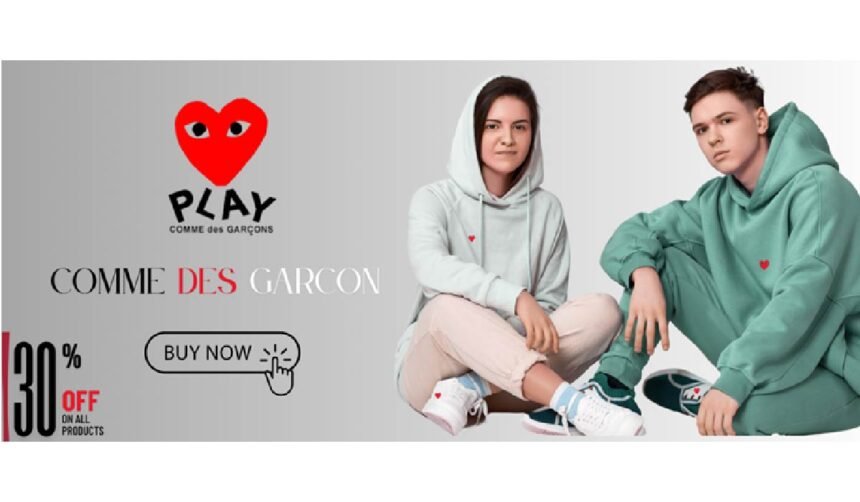
The global visibility of Comme des Garçons went up a lot through the success of the PLAY line, and then that heart logo, designed by FilipPagowski, became pretty recognizable too.
The PLAY sub-label kind of brought in a more accessible kind of product assortment, but it didn’t really mess with the wider identity of Comme des Garçons. Graphic T-shirts , knitwear, hoodies and even collaborative footwear helped the brand move abroad more easily, while still keeping that “high-fashion” kind of credibility association.
In the end the heart-with-eyes emblem became one of the most easy to spot fashion graphics on a global level because it found a balance between simplicity, exclusivity and instant brand recognition, all at once.
Limited Releases and Controlled Distribution Strengthen Demand
A major reason for the continued popularity of Comme des Garçons is its controlled product ecosystem.
The brand does not operate through unrestricted mass distribution. Collections get released bit by bit, usually through flagship stores, authorized retailers, and even a few curated fashion platforms, sort of. A lot of capsule collections, the co-creation items, and region-only exclusives are made in limited amounts, which is kinda the point.
This model increases scarcity without relying on overt marketing language. Certain releases sell out quickly because restocks are uncommon and distribution remains intentionally limited.
The approach aligns with how modern fashion entities preserve long-term cultural value:
- Controlled availability
- Distinct product segmentation
- Limited collaborative runs
- Independent retail positioning
- Strong secondary-market relevance
This structure is also visible in related retail concepts connected to the brand, particularly Dover Street Market.
Collaborations Expanded Cultural Relevance
Collaborations have played a major role in maintaining the relevance of Comme des Garçons across different consumer segments and generations.
The brand has collaborated with companies and labels including:
- Nike
- Converse
- Supreme
- Louis Vuitton
- Stussy Hoodie
- BAPE
These collaborations are usually structured as limited capsules rather than permanent product expansions. That distinction matters. The releases function as cultural events inside fashion retail rather than standard inventory cycles.
Because many collaborative editions are produced in restricted numbers, demand frequently exceeds supply. Several releases later gain resale significance, further strengthening brand visibility across fashion communities and digital marketplaces.
Dover Street Market Reinforced Brand Authority
The launch and expansion of Dover Street Market, further boosted the cultural positioning of Comme des Garçons a bit more, than before, honestly.
Unlike the more typical department store model, Dover Street Market blends luxury fashion with new voices in design and installation driven retail layout, plus those limited releases that stay deliberately curated inside a controlled setting. This retail approach helped place Comme des Garçons not only as a fashion label, but more like a curator, of contemporary fashion culture.
Over time the presence in locations such as London, Tokyo, New York City, Los Angeles, and Beijing expanded the brand’s global retail influence while still keeping that exclusivity intact.
Comme des Garçons Maintains Independence
A defining aspect of Comme des Garçons is that it has maintained creative independence despite its international scale.
Many luxury labels eventually move toward broad commercial standardization. Comme des Garçons has largely resisted that model. The company continues to prioritize creative control, limited distribution, experimental runway design, and selective collaborations over aggressive expansion.
That independence strengthens credibility among both fashion consumers and industry professionals.
The Popularity Is Structural, Not Temporary
The continued popularity of Comme des Garçons is not based on short-term trend visibility alone. The brand combines:
- Founder-driven authority
- Recognizable visual identity
- Limited product ecosystems
- Influential collaborations
- Multi-line segmentation
- Cultural institutional recognition
- Controlled retail strategy
These factors together kind of place Comme des Garçons as a luxury fashion label and also, a long standing global fashion presence, like it’s just there, steady.
So the impact stays relevant through runway fashion, streetwear, luxury retail, art institutions and collaborative culture too, without needing to redo the whole trend positioning every moment.