



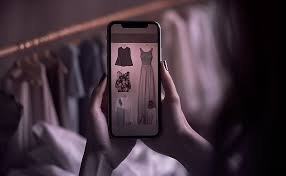
Mobile shopping has become a key part of how people discover and buy things. Walk into any coffee shop, and you’ll see people scrolling and adding to their cart. That loop is where fashion brands either win or lose customers today, and New York’s fashion scene has figured that out faster than most.
This isn’t about following a trend. It’s about where transactions actually happen now. Mobile devices drove more than 60% of all e-commerce sales in the US. For fashion specifically, that number skews even higher because the category is impulsive and deeply personal.
It’s the reason so many brands are moving toward app-based shopping rather than just sticking with a standard website. When you work with a skilled mobile app development company in NYC, they can help you build an experience that feels smooth and modern—something that’s easy to use, whether it’s a customer’s first visit or their fiftieth.
What Mobile Commerce Actually Demands from a Fashion Brand
A mobile-optimized website is fine. It checks a box. But it doesn’t remember you. It can’t tap you on the shoulder when a sold-out item comes back in stock. It doesn’t know you always buy a medium in knitwear but need a large in outerwear. It’s a storefront you have to find every time, not a relationship.
A dedicated app is different in ways that matter. An app remembers things like your past orders, your go-to sizes, and what you’ve been eyeing lately. In the fashion sector, the smallest bit of hassle can be the difference between someone hitting “buy” or just closing the tab. By removing those tiny frustrations, brands see a direct boost in their sales.
It’s a huge shift in mindset. Brands that used to see an app as a “fancy extra” now realize it’s actually a vital part of their foundation—just as important as their physical storefront or their warehouse. A lot of that development work is being handled by a mobile app development company in USA that specializes in commerce builds, because fashion apps have a specific set of requirements that a generic e-commerce template won’t cover.
The New York Fashion Calendar Makes Apps a Practical Necessity
New York fashion moves on a tight clock. Seasonal collections, exclusive drops, capsule collaborations; the whole model is built around urgency. If you’re not in front of a customer when a drop goes live, you’ve lost the sale.
Email is too slow. Social media reach is unreliable. SMS works but feels intrusive for anything beyond a brief alert. Push notifications from an app hit the right balance. They are immediate, visible, dismissible if the timing is bad, actionable if it’s not.
Brands that have moved their drop announcements to app-first push notifications report better sell-through rates, fewer issues with bots and scalpers gaming browser-based purchases, and more control over who gets early access. That last point matters more than people realize. An app lets a brand tier its audience — long-time customers get access before new users, loyalty members see the cart button before the general public does. That kind of sequencing is technically complex to pull off, but straightforward once the app infrastructure is in place.
Three Problems Fashion Apps Actually Solve
Cart abandonment is a revenue leak that most brands underestimate
The industry average for cart abandonment sits above 70%. For fashion, it’s often higher because purchase decisions are emotional, and people second-guess themselves. The biggest driver isn’t indecision, though it’s friction. Re-entering card details. Slow load times. Too many steps between “I want this” and “I bought this.”
Apps remove most of that. Saved payment methods, one-tap checkout, remembered shipping addresses. A customer who left something in their cart gets a push notification twelve hours later. The conversion rates on those nudges are consistently higher than abandoned cart emails, partly because the notification is immediate and partly because tapping it reopens the cart in two seconds instead of loading a browser.
Returns are expensive, and sizing tools reduce them
Returns cost fashion brands an enormous amount, not just in logistics but in the resale value of returned inventory. Most returns happen because of fit. The item looked different on the model, or the customer guessed wrong on sizing across brands.
Apps that include size recommendations from purchase history and, where users opt in, body measurements have measurably reduced return rates for the brands that implemented them seriously. Same with AR try-on features for accessories and footwear. These tools aren’t just novelties. They do a real job.
Customer retention is cheaper than acquisition, and apps are built for it
It costs somewhere between five and seven times more to acquire a new customer than to keep an existing one. Apps are structurally better for retention than any other channel. A loyalty program lives inside the app. Personalized product feeds are easier to build when you have first-party behavioral data. App-exclusive offers give customers a reason to keep the app installed.
The metric that matters here is customer lifetime value. Brands that track this across channels consistently find that app users have a higher lifetime value than customers who only shop through browser or in-store. Part of that is self-selection — someone who downloaded your app is already more engaged. But part of it is the app itself creating more reasons to come back.
What the Development Process Actually Looks Like
A fashion brand’s app isn’t built in a weekend. The realistic timeline for a full-featured app runs between four and eight months. Brands that try to compress that timeline usually regret it. A slow or buggy app doesn’t just fail to convert. It actively damages the brand’s perception.
The process starts with a discovery phase that most brands underinvest in. The development team understands the brand’s catalog structure, how inventory is managed, what payment systems are in place, and what the app is actually supposed. Because trying to build everything at launch is how you end up with a delayed, over-budget product that launches with half the features broken.
From there, design takes the brand’s visual identity and translates it into an interface that works on a 6-inch screen. This is harder than it sounds for fashion brands with strong aesthetics. A brand that looks stunning in print or on a desktop editorial layout needs a mobile design language that preserves that feel without slowing things down with oversized images or complex animations.
Backend integration to live inventory, payment gateways, CRM systems, and logistics platforms is where most of the technical complexity lives. It’s also where corners get cut on cheaper builds, and where those shortcuts show up later as sync errors, payment failures, or inventory discrepancies.
What the Numbers Look Like After Launch
The performance gap between a dedicated app and a mobile browser is well-documented at this point. Average order values in apps tend to run 20–30% higher. Session lengths are longer. Conversion rates are higher. Push notifications consistently outperform email on both open rates and click-through.
None of those numbers is surprising if you think about the experience difference. An app is faster, more personalized, and requires less effort from the customer at every step. Of course, conversion is better. The more interesting question is why some fashion brands are still hesitating.
Part of it is cost. A well-built app is a real investment, and for smaller brands, the upfront spend is significant. Part of it is a misunderstanding of scope. Brands assume an app is a longer, more complex version of a website project, when actually it’s a different kind of product entirely. And part of it is inertia. A mobile website is working “well enough,” and well enough is the enemy of competitive.
The Brands That Wait Are Losing Ground Now, Not Later
Here’s the thing about competitive advantage in mobile commerce: it compounds. A brand that launched a well-built app three years ago has three years of user data, three years of push notification history, and three years of refined personalization. A brand starting today starts from zero.
New York’s fashion market is not forgiving of gaps in the customer experience. Shoppers here have options. They move fast. A checkout process that takes four extra steps compared to a competitor’s app is not a minor inconvenience; it’s a lost sale, and probably a few after that.
The brands investing in mobile app development right now aren’t doing it because it’s fashionable. They’re doing it because the customers are there, the conversion data is there, and the cost of not being there is becoming obvious.