



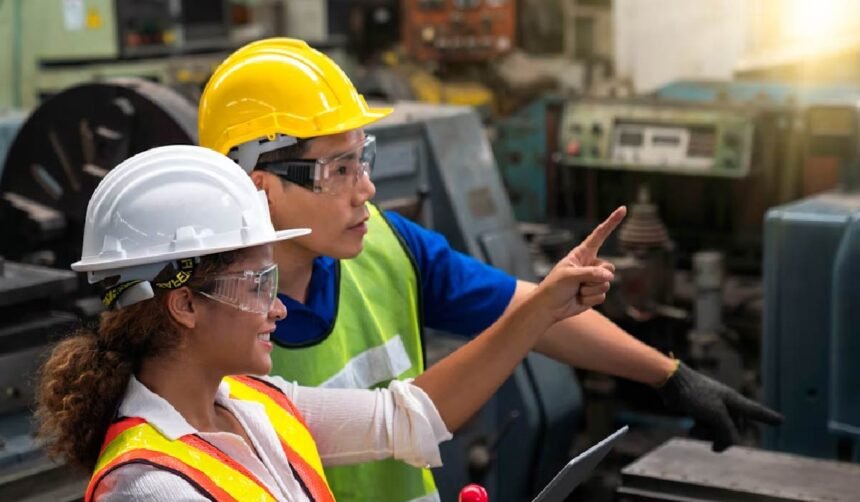
Finding a production partner that understands the requirements of your business is a vital step towards success. A reliable manufacturer acts as an extension of your own team by providing technical expertise and ensuring consistent quality. This blog post explores the key factors you should consider when vetting candidates to ensure they have the capacity and the commitment to bring your vision to life.
1. Assessing Technical Expertise and Capabilities
Before signing any agreements, verify that the partner possesses the machinery and technical knowledge required for your product design. Ask detailed questions about their experience with similar materials or production techniques. A partner will be able to demonstrate a deep understanding of the manufacturing process and offer suggestions on how to improve the efficiency of your design.
2. Evaluating Commitment to Quality Control
Ensure that your partner has a robust and transparent inspection process in place. Look for a facility that maintains high standards throughout every stage of production, from the initial raw material sourcing to the final packaging of the finished goods. Ask about their internal testing protocols and how they handle any deviations from the original specifications to ensure that every unit meets your exact requirements.
3. Considering Scalability and Production Capacity
Your business needs will likely change as you grow, so it is important to select a manufacturing partner that can scale its production levels. Investigate their current lead times and ask how they manage large-scale orders during peak periods. It is beneficial to partner with a company that has the physical space and the labour force to accommodate an increase in volume as your market presence expands.
4. Transparency in Communication and Reporting
Open and honest communication is vital for managing the complex logistics of custom manufacturing. You need a team that provides updates on the status of your order and is proactive in flagging any issues before they become problems. Custom manufacturing services will assign a dedicated point of contact who understands your project inside and out, making it easier to discuss changes or address concerns.
5. Reviewing Financial Stability and Reputation
The long-term success of your production cycle depends on the financial health of your manufacturing partner. A company that has been operating successfully for many years is likely to have stable relationships with material suppliers and a consistent workforce. Seek testimonials from other clients to get a sense of their reliability and how they handle tight deadlines or complex custom requests.
6. Understanding the Sourcing of Materials
The quality of your final product is dependent on the raw materials used, so enquire about where and how your partner sources their supplies. A reliable manufacturer will have strong connections with vendors and will be able to guarantee the integrity of the materials. Ask whether they have backup suppliers in place to avoid delays if a primary source experiences a shortage or a logistics failure.
7. Flexibility in Prototyping and Design Support
Custom manufacturing often requires several rounds of adjustments before the design is perfected. A team that is willing to produce small trial runs allows you to test the functionality of your product and make necessary changes. Also, this flexibility is vital for innovation, as it gives you the freedom to experiment with different features or materials until you find the solution for your target audience.
Finalising Your Manufacturing Strategy
Selecting a partner for your custom production needs is a decision that will impact every aspect of your business. By focusing on technical skill, communication, and a shared commitment to excellence, you can build a relationship that provides a solid foundation for your brand’s growth. Taking the time to perform a thorough evaluation today will lead to an efficient, reliable, and successful production journey.