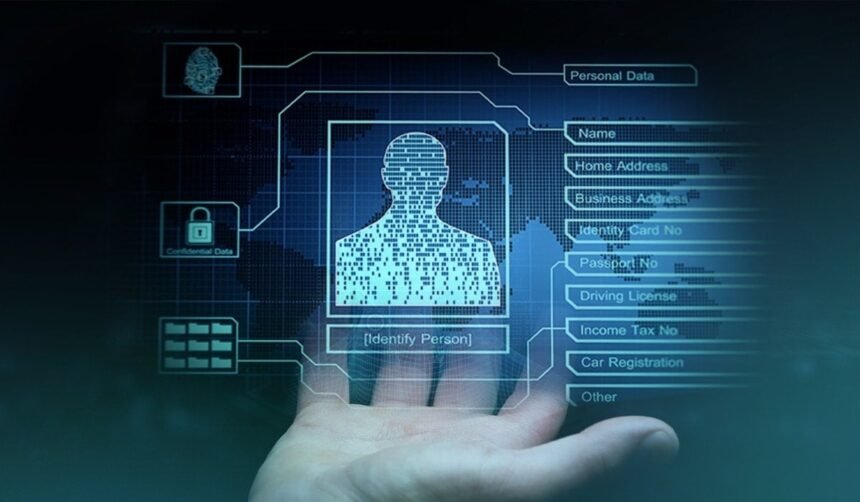
Implementing an electronic identity verification system is a step for modern organisations that need to confirm identity. Look for a platform that combines advanced technology with a user-friendly experience to ensure that your security does not create barriers. This blog will explore the features that make a verification system reliable, defending your business against the growing risk of online identity fraud.
1. Utilising Multi-Factor Authentication Protocols
Look for a system that requires a mixture of something the user knows, like a password, and something they have, like a unique code sent to their mobile device or a physical security key. This approach ensures that even if one piece of data is compromised by a hacker. Providing this level of protection shows your clients that you take their security and are committed to using the industry standards.
2. Incorporating Advanced Biometric Scanning Technology
Modern identity verification is turning to biometric data because physical characteristics are difficult for criminals to replicate or steal. Systems using facial recognition with liveness detection can distinguish a real person standing in front of a camera. Choosing a platform that integrates these markers ensures that your verification is resistant to the common types of impersonation and account takeover attempts.
3. Ensuring Real-Time Document Verification Capabilities
A secure system must be able to scan and validate official government-issued identification documents to ensure they are authentic. You should look for features that check for specific security markers, which are present on legitimate passports and driver’s licences but are missing from counterfeit copies. Having the ability to confirm the validity of a document in seconds protects your company from legal risks.
4. Implementing End-to-End Data Encryption
Protecting the privacy of your users is just as important as verifying their identity, so your system must use the strongest encryption. Ensure that data is encrypted while it is being transmitted to your servers and while it is being stored in your database to prevent any unauthorised access. Using a high-level, encrypted secure digital space is a requirement under data protection laws and industry regulations.
5. Checking Against Global Watchlists and Sanctions
An electronic identity verification must check the individual against global databases to ensure they are not involved in illegal activities. Choose a system that screens every user against global watchlists to protect your business from harm. Maintaining this level of vigilance is essential for ensuring that your company remains in good standing with international authorities and law enforcement agencies.
6. Maintaining Comprehensive and Secure Audit Trails
Every action taken within your verification system should be recorded in a secure log so that you can demonstrate how and when an identity was confirmed. Having a history of all verification attempts, including the data points that were checked. This audit is a vital tool for your team because it provides the evidence to show that your company is following the rules and procedures for identity management.
7. Providing a Seamless Mobile User Experience
Look for a platform that uses the built-in cameras and sensors of modern phones to capture images and biometric data. A smooth mobile experience reduces the chances of a user giving up on the process halfway through, which improves your conversion rates. Ensuring that your security measures are easy to use shows that you are a forward-thinking business that understands the needs of an audience.
Finalising Your Strategy for Identity Protection
Your path towards a safer digital future concludes with the selection of a verification partner that understands the unique challenges of your industry. Maintaining a high standard of identity verification is about creating a secure environment. Moving forward with a secure and verified database allows you to focus on your core mission while knowing that your digital borders are defended against all threats.