



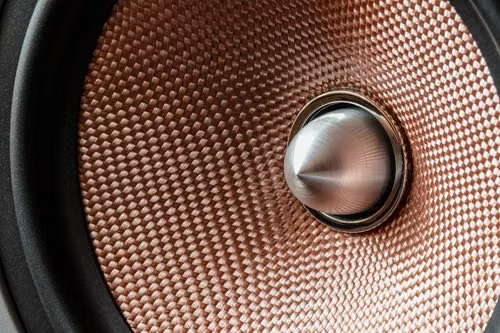
In today’s audio-centric world, the word “loudspeaker” often conjures up images of modern audio devices that grace our homes and venues, bringing music and soundscapes to life. However, the journey of loudspeaker technology is rooted in a rich history of innovation and transformation. The loudspeaker has evolved from its rudimentary beginnings to a sophisticated blend of acoustics, engineering, and design, playing an integral role in both professional and personal settings.
The Historical Journey of Loudspeakers
The concept of amplifying sound dates back to the late 19th century, with pioneers like Alexander Graham Bell initiating early experiments. The advent of the first electric loudspeaker in the 1920s marked a significant milestone, attributable to the collaborative efforts of engineers such as Edward Kellogg and Chester Rice. Their pioneering work laid the foundation for modern loudspeakers, setting a precedent for subsequent innovations in acoustics and electronic engineering.
Fundamental Principles of Loudspeaker Design
At its core, a loudspeaker transforms electrical energy into sound. The fundamental components include the diaphragm, the voice coil, and the magnet. When an electrical signal passes through the coil, it creates a magnetic field that interacts with the diaphragm. This interaction causes the diaphragm to vibrate, producing sound waves. Modern loudspeakers utilise advanced materials and precise engineering to optimise sound reproduction, catering to diverse audio preferences and requirements.
The Rise of High-Fidelity Audio
The mid-20th century heralded the high-fidelity (hi-fi) movement, emphasising the pursuit of audio reproduction that closely mirrors live sound. Loudspeakers became pivotal in this quest, with manufacturers striving to deliver maximum clarity and depth. Innovations such as the introduction of two-way and three-way speaker systems allowed for distinct separation of frequencies, enhancing the listener’s auditory experience.
Role of Loudspeakers in Professional Settings
Loudspeakers have become indispensable tools in various professional environments. In the music industry, they play a crucial role during live performances, where high output and clarity are necessities. Similarly, in broadcasting and recording studios, precision and accuracy in sound reproduction are paramount, necessitating the use of specialised monitor speakers. Public address systems also rely heavily on loudspeaker technology to deliver powerful and clear audio to large audiences, whether in indoor or outdoor settings.
Loudspeaker Applications Across Different Industries
Beyond entertainment, loudspeaker technology serves a vital function across numerous industries. Educational institutions rely on clear audio systems for lectures and campus announcements, while hospitals use them for emergency notifications and patient communication. Transportation hubs such as airports and train stations depend on reliable loudspeaker systems to deliver timely travel information to thousands of passengers each day. These applications highlight the importance of intelligible speech reproduction alongside high-quality audio performance.
Customisation and Acoustic Optimisation
Modern loudspeaker systems are increasingly designed with adaptability in mind. Many solutions incorporate digital signal processing (DSP) to automatically adjust sound output based on the characteristics of a room or venue. This technology helps minimise distortion, balance frequencies, and deliver consistent audio coverage regardless of the environment. From compact home speakers to large-scale concert systems, acoustic optimisation allows users to enjoy improved sound quality without requiring extensive manual adjustments.
Choosing the Right Loudspeaker for Your Needs
Selecting an appropriate loudspeaker depends on several practical considerations, including room size, intended usage, and preferred audio characteristics. Home users may prioritise compact designs with wireless connectivity, while businesses and event organisers often require powerful systems capable of covering larger spaces with clear, even sound. Factors such as power handling, frequency response, speaker placement, and compatibility with existing audio equipment all contribute to achieving the best listening experience. By matching the loudspeaker to its intended application, users can maximise both performance and long-term value.
Advancements in Consumer Loudspeaker Technology
With evolving consumer needs, loudspeaker technology has witnessed remarkable advancements. The integration of wireless technology, such as Bluetooth and Wi-Fi, has revolutionised how users experience music, offering both convenience and flexibility. Additionally, soundbars have emerged as popular solutions for enhancing television audio, reflecting trends towards minimalist design without compromising audio quality.
The Emergence of Smart Speakers
The recent surge of smart speakers highlights the intersection of loudspeaker technology with artificial intelligence. Devices equipped with voice assistants are now capable of not just playing music, but also controlling smart home devices and answering queries. This has expanded the utility of loudspeakers, cementing their place in the fabric of modern living spaces.
Sustainability and the Future of Loudspeaker Technology
Environmental concerns have begun to influence the development of loudspeaker technology. Manufacturers are increasingly considering the sustainability of materials and processes, aiming to reduce the ecological footprint. Innovations in recyclable materials and energy-efficient operation are gradually becoming prevalent, pushing the industry towards a more sustainable future.
Conclusion: The Ever-Growing Landscape of Loudspeakers
Loudspeaker technology continues to evolve, driven by a blend of innovation, consumer demand, and environmental consciousness. Through its expansive journey, the loudspeaker has become an indispensable facet of modern audio experience, continually adapting to the changing landscapes of technology and lifestyle.