



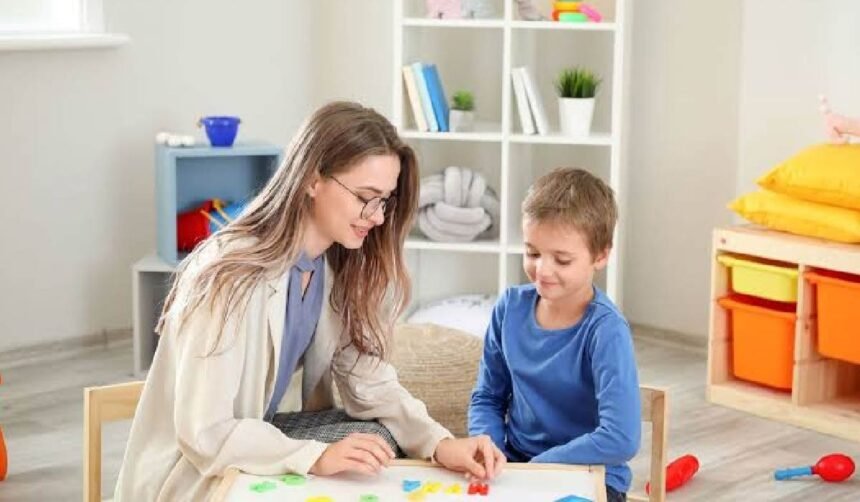
Understanding the Importance of Independence in Child Development
Independence is an important part of a child’s growth because it allows them to participate in daily activities, make choices, solve problems, and develop confidence in their own abilities. Learning independent skills helps children become more comfortable managing different situations and increases their ability to take part in everyday routines. While some children naturally develop these abilities over time, others may need additional guidance and structured support to strengthen skills related to communication, self-care, decision-making, and daily responsibilities.Every child has unique strengths, challenges, and learning needs, which means support should always be personalized. Families often look for effective ways to help children become more independent while ensuring they receive encouragement and guidance throughout the process. ABA therapy for independence focuses on teaching practical skills through structured strategies that help children improve confidence, increase participation, and develop abilities that can be used in real-life situations. By breaking skills into manageable steps and providing consistent support, children can gradually become more capable and comfortable completing tasks on their own.
What Is Independence Skill Development Through ABA?
Independence skill development through ABA focuses on helping children learn abilities that allow them to participate more actively in their daily lives. The approach uses structured teaching methods to understand a child’s current abilities and create personalized strategies that support growth. Instead of expecting children to master complex tasks immediately, skills are often divided into smaller steps that are easier to understand and practice.The goal is to teach children practical abilities that improve their quality of life. These skills may include dressing, personal hygiene, following routines, completing household activities, making choices, communicating needs, and managing responsibilities. Through regular practice and positive encouragement, children can develop greater confidence and become more comfortable handling different situations independently.
The Connection Between Independence and Confidence
Confidence and independence are closely connected because children often feel more capable when they can complete tasks successfully on their own. When children learn how to manage activities and make decisions, they develop a stronger sense of achievement and self-confidence. These positive experiences encourage them to continue learning and trying new skills.Building independence requires patience, practice, and support. Children may need guidance at the beginning of the learning process, but gradually reducing assistance allows them to become more self-reliant. ABA-based strategies focus on encouraging progress while providing the right level of support so children can develop skills without feeling overwhelmed.
Teaching Daily Living Skills Through Structured Support
Daily living skills are essential abilities that help children participate in everyday routines. These skills include activities such as brushing teeth, getting dressed, preparing simple tasks, organizing belongings, and following daily schedules. Learning these skills can improve confidence and help children become more active participants in their own lives.ABA therapy for independence provides structured methods for teaching daily living skills according to each child’s individual needs. Professionals may use step-by-step instruction, repetition, modeling, and positive reinforcement to help children understand and complete tasks. Over time, children can become more comfortable performing activities with less assistance and greater confidence.
Breaking Complex Tasks Into Smaller Steps
Many everyday activities involve multiple steps, which can sometimes make them challenging for children who are learning independence skills. Breaking these activities into smaller and simpler steps can make learning easier and more manageable. This method allows children to focus on one part of a task at a time before combining all steps together.For example, a routine such as preparing for the day can be divided into smaller actions, including choosing clothing, getting dressed, organizing items, and completing personal care steps. By practicing each part individually, children can gradually understand the entire process. This approach builds confidence and helps children experience success throughout their learning journey.
Encouraging Communication and Decision-Making Skills
Communication is an important part of independence because children need ways to express their needs, preferences, and choices. When children can communicate effectively, they are better able to participate in decisions and ask for help when necessary. Developing communication skills supports independence by allowing children to take a more active role in their daily experiences.Families and professionals can encourage decision-making by providing children with choices and opportunities to express their preferences. Simple decisions, such as choosing activities, selecting items, or sharing opinions, can help children develop confidence in their abilities. Learning to communicate choices is an important step toward becoming more independent.
The Role of Positive Reinforcement in Skill Development
Positive reinforcement plays an important role in encouraging children as they learn new skills. When children receive encouragement after completing tasks or making progress, they are more likely to continue practicing. Positive feedback helps children understand that their efforts are valuable and motivates them to keep improving.Different children respond to different types of encouragement, so reinforcement strategies should be personalized. Some children may respond well to verbal praise, while others may prefer activities, rewards, or additional opportunities to engage in preferred interests. Understanding what motivates each child allows families and professionals to create more effective learning experiences.
Helping Children Develop Problem-Solving Abilities
Problem-solving is an important skill that supports independence because children need to understand how to handle challenges and make decisions. Learning how to solve problems allows children to become more flexible and confident when facing new situations. These abilities can help children manage daily activities more successfully.Structured support can help children practice problem-solving skills in a safe and supportive environment. Children can learn how to identify challenges, consider possible solutions, and make appropriate choices. With regular practice, they can become more comfortable handling situations independently and developing confidence in their own abilities.
The Importance of Family Involvement
Parents and caregivers play an essential role in helping children develop independence because they provide daily opportunities for practice. Family involvement allows children to apply skills in natural situations and receive consistent encouragement. When caregivers understand effective strategies, they can support progress throughout everyday routines.ABA therapy for independence becomes more effective when families participate actively in the learning process. Parents can encourage children to practice skills during meals, play activities, household routines, and personal care tasks. Consistent support from family members helps children strengthen abilities and transfer learned skills into real-life situations.
Creating Opportunities for Practice at Home
Children develop independence through regular practice and repeated experiences. Everyday routines provide many opportunities for children to learn and improve important skills. Activities such as organizing belongings, completing simple responsibilities, making choices, and participating in family tasks can support independence development.A supportive environment allows children to practice skills without unnecessary pressure. Families can encourage participation by providing guidance when needed while allowing children enough time to complete tasks themselves. This balance between support and independence helps children become more confident and capable.
Tracking Progress and Adjusting Goals
Every child develops independence skills at a different pace, making progress monitoring an important part of the learning process. Observing improvements helps families and professionals understand which strategies are effective and where additional support may be needed. Tracking progress also allows goals to be adjusted as children develop new abilities.Regular evaluation ensures that learning strategies continue to match a child’s changing needs. As children become more skilled, support can gradually be reduced to encourage greater independence. This approach helps children continue progressing while maintaining confidence in their abilities.
Supporting Social Independence and Confidence
Independence is not only about completing personal tasks but also about participating socially and interacting with others. Social independence includes skills such as communicating with peers, following social expectations, asking for assistance, and participating in group activities. These abilities help children feel more comfortable and confident in different situations.Developing social skills can improve children’s ability to build relationships and participate in meaningful experiences. Structured learning opportunities can help children practice interactions and understand social situations. Over time, these experiences can strengthen confidence and encourage greater independence.
Choosing an Effective Independence Support Approach
Every child has different goals, abilities, and challenges, which means independence support should always be personalized. An effective approach focuses on teaching meaningful skills that improve daily life while respecting each child’s individual learning style. The right strategies can help children develop confidence and become more active participants in their routines.ABA therapy for independence provides families with structured methods for teaching essential life skills and encouraging self-reliance. By combining professional guidance with family involvement, children receive consistent opportunities to practice abilities that support long-term growth and development.
Long-Term Benefits of Developing Independence Skills
The skills children develop through independence-focused support can provide benefits that continue throughout different stages of life. Improved self-care abilities, decision-making skills, communication, and confidence can help children participate more successfully in various activities. These skills create a strong foundation for future learning and personal growth.Families often notice positive changes when children become more capable of managing daily tasks and expressing their preferences. Increased independence can improve confidence and create more opportunities for participation. With patience, encouragement, and consistent practice, children can continue developing valuable skills over time.
Conclusion: Building Confidence Through Independence
Helping children develop independence is an important part of supporting their overall growth and success. With personalized strategies, consistent encouragement, and meaningful practice opportunities, children can learn essential skills that improve their confidence and ability to participate in daily life. Independence development is a gradual process that requires patience, understanding, and support.ABA therapy for independence provides children with structured guidance to develop practical abilities, improve confidence, and become more comfortable managing everyday activities. Through teamwork between families and professionals, children can build skills that support greater independence and create a stronger foundation for future development.