



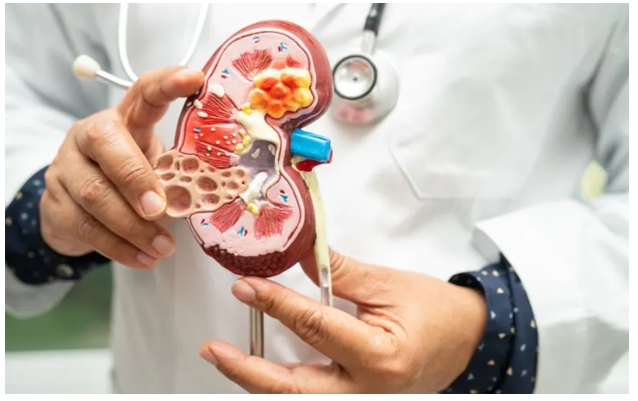
The kidneys are two bean-shaped organs that play a vital role in maintaining overall health. They filter waste products from the blood, regulate fluid balance, support blood pressure control, and help maintain healthy electrolyte levels. When kidney function becomes impaired, it can affect many systems throughout the body.
One of the challenges with kidney disease is that symptoms usually develop gradually and may not become noticeable until the condition has progressed. Understanding the early warning signs of common kidney diseases can help individuals seek medical attention sooner and potentially prevent serious complications.
Why Kidney Health Is Important
Healthy kidneys perform several essential functions that keep the body working properly. Even minor disruptions in kidney function can affect overall well-being.
Because kidney diseases usually progress silently, regular monitoring and awareness of symptoms are important for early detection.
Key Functions of the Kidneys
The kidneys help:
- Remove waste products from the blood
- Balance body fluids
- Regulate blood pressure
- Produce hormones that support red blood cell production
- Maintain electrolyte balance
- Support bone health
When these functions are compromised, a variety of symptoms may develop.
The Importance of Early Detection
Identifying kidney disease early may help slow progression, reduce complications, and improve long-term health outcomes through timely treatment and lifestyle modifications.
Chronic Kidney Disease (CKD)
Chronic kidney disease is one of the most common kidney disorders. It occurs when kidney function gradually declines over time.
CKD may result from conditions such as diabetes, high blood pressure, or other underlying medical problems.
Early Symptoms of Chronic Kidney Disease
Symptoms may include:
- Fatigue
- Swelling in the feet or ankles
- Changes in urination patterns
- Difficulty concentrating
- Persistent weakness
These symptoms usually develop slowly and can be easy to overlook.
Why CKD Often Goes Undetected
Many people experience no symptoms during the early stages. Routine blood and urine tests are usually necessary to identify kidney function changes before significant damage occurs.
Kidney Stones
Kidney stones are hard mineral deposits that form within the kidneys. They can vary in size and may cause discomfort when moving through the urinary tract.
While small stones may pass naturally, larger stones can cause significant symptoms.
Common Warning Signs
Symptoms may include:
- Sharp pain in the back or side
- Pain during urination
- Blood in the urine
- Frequent urge to urinate
- Nausea or vomiting
The severity of symptoms often depends on the size and location of the stone.
Risk Factors for Kidney Stones
Factors that may increase risk include:
- Dehydration
- High-sodium diets
- Family history
- Obesity
- Certain medical conditions
Adequate hydration can help reduce the likelihood of stone formation.
Kidney Infections
A kidney infection is a type of urinary tract infection that spreads to one or both kidneys. Prompt treatment is important because untreated infections can lead to complications.
Kidney infections often develop when bacteria travel from the bladder into the kidneys.
Early Symptoms to Watch For
Common signs include:
- Fever and chills
- Pain in the back or side
- Frequent urination
- Burning sensation during urination
- Cloudy or foul-smelling urine
Symptoms may appear suddenly and often require medical evaluation.
Why Immediate Treatment Matters
Untreated kidney infections can damage kidney tissue and may allow infection to spread into the bloodstream, creating more serious health risks.
Polycystic Kidney Disease (PKD)
Polycystic kidney disease is a genetic condition that causes fluid-filled cysts to develop within the kidneys.
Over time, these cysts can enlarge and interfere with normal kidney function.
Early Signs of PKD
Symptoms may include:
- High blood pressure
- Back or side pain
- Frequent urinary infections
- Blood in the urine
- Abdominal fullness
Many individuals may not realize they have the condition until symptoms become more noticeable.
The Role of Family History
Because PKD is usually inherited, individuals with a family history of the condition may benefit from regular screening and medical monitoring.
Glomerulonephritis
Glomerulonephritis refers to inflammation of the kidney’s filtering units, known as glomeruli. This condition can affect the kidneys’ ability to remove waste and excess fluids effectively.
It may develop suddenly or gradually over time.
Common Symptoms
Possible warning signs include:
- Blood in the urine
- Foamy urine
- Swelling in the face or legs
- High blood pressure
- Fatigue
Symptoms vary depending on the severity and underlying cause of inflammation.
People looking for specialized kidney care commonly compare treatment facilities and specialist expertise when choosing a nephrology hospital in Delhi for evaluation and management of complex kidney disorders.
Importance of Medical Evaluation
Early diagnosis can help identify the cause of inflammation and guide treatment strategies aimed at preserving kidney function.
General Early Warning Signs of Kidney Disease
Many kidney disorders share similar symptoms, making it important to recognize common warning signs.
Although these symptoms may be caused by other conditions, persistent changes should be discussed with a healthcare provider.
Symptoms That Should Not Be Ignored
Watch for:
- Swelling in the hands, feet, or face
- Persistent fatigue
- Changes in urine color
- Increased or decreased urination
- High blood pressure
- Difficulty concentrating
- Muscle cramps
These symptoms may indicate declining kidney function.
Why Symptoms Occur
When the kidneys cannot efficiently remove waste and excess fluid, imbalances develop throughout the body, leading to a variety of physical symptoms.
Risk Factors for Kidney Disease
Certain health conditions and lifestyle factors increase the risk of developing kidney problems.
Understanding these risks can encourage preventive measures and routine health screenings.
Common Risk Factors
These include:
- Diabetes
- High blood pressure
- Obesity
- Smoking
- Family history of kidney disease
- Heart disease
- Older age
Individuals with multiple risk factors may require regular kidney function monitoring.
Preventive Measures
Healthy habits such as staying hydrated, controlling blood pressure, managing blood sugar, and maintaining a balanced diet can help support kidney health.
When Should You See a Doctor?
Early medical evaluation is important whenever symptoms suggest a possible kidney problem.
Delaying treatment may allow certain conditions to progress and increase the risk of complications.
Seek Medical Attention If You Experience
- Blood in the urine
- Persistent swelling
- Severe flank pain
- Frequent urinary infections
- Significant changes in urination
- Unexplained fatigue
These symptoms may require further investigation through laboratory tests and imaging studies.
Diagnostic Tests for Kidney Disease
Healthcare providers may recommend:
- Blood tests
- Urine analysis
- Ultrasound imaging
- CT scans
- Kidney function assessments
These evaluations help identify the cause and severity of kidney-related concerns.
Conclusion
Kidney diseases can develop gradually and remain unnoticed until symptoms become more advanced. Conditions such as chronic kidney disease, kidney stones, kidney infections, polycystic kidney disease, and glomerulonephritis can affect kidney function and overall health.
Recognizing early warning signs, including changes in urination, swelling, fatigue, pain, and high blood pressure, is essential for timely diagnosis and treatment. Regular health screenings and awareness of risk factors can play an important role in protecting kidney health and preventing long-term complications.
Frequently Asked Questions
1. What are the earliest signs of kidney disease?
Early symptoms may include fatigue, swelling, changes in urination, difficulty concentrating, and elevated blood pressure. Some individuals may experience no noticeable symptoms during the initial stages.
2. Can kidney disease develop without symptoms?
Yes. Many kidney conditions progress silently, especially during the early stages. Routine blood and urine tests are usually necessary to identify problems before symptoms become obvious.
3. Do kidney stones always cause severe pain?
Not always. Small kidney stones may cause minimal symptoms, while larger stones can result in significant pain, blood in the urine, and urinary discomfort requiring medical attention.
4. Who is at higher risk for kidney disease?
People with diabetes, high blood pressure, obesity, heart disease, smoking history, or a family history of kidney disease generally have a higher risk of developing kidney problems.
5. When should I see a doctor for kidney-related symptoms?
Seek medical evaluation if you experience blood in the urine, persistent swelling, severe back or side pain, urinary changes, recurrent infections, or unexplained fatigue.