



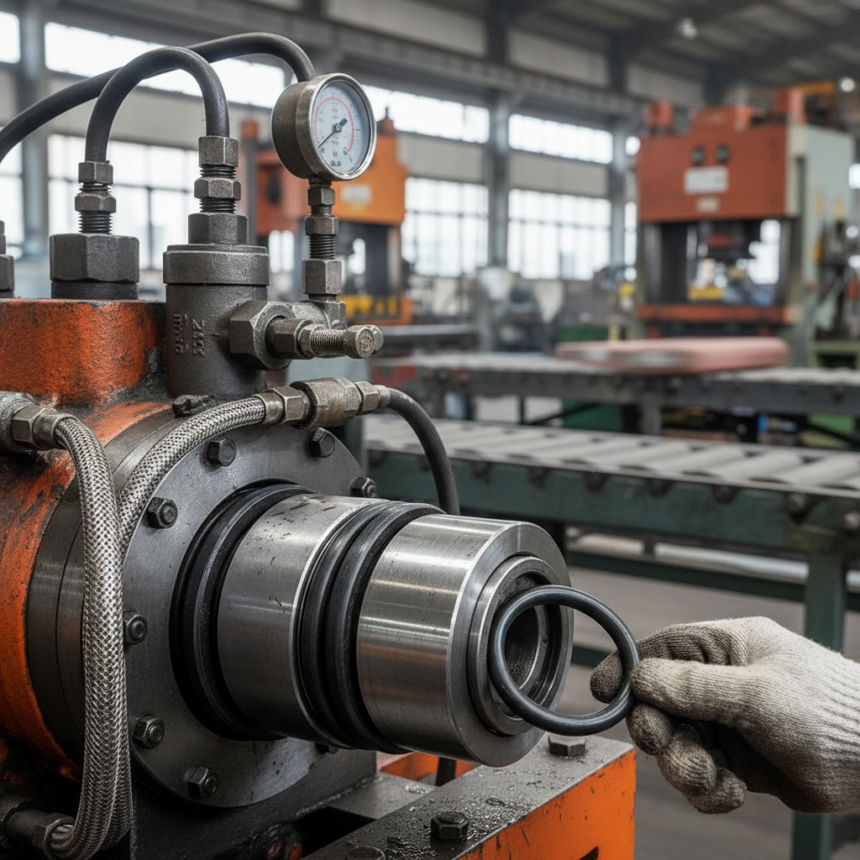
Hydraulic systems are the lifeblood of many industries, from manufacturing and construction to aerospace and automotive. The reliability of these systems hinges on the integrity of their components, and hydraulic O-rings are arguably the most critical. These seemingly simple seals play a vital role in preventing leaks, maintaining pressure, and ensuring smooth operation. This article will delve into the world of hydraulic O-rings, covering materials, applications, sizing, and best practices for selection and installation. Understanding the nuances of these seals is essential for maximizing the performance and lifespan of your hydraulic equipment.
Understanding Hydraulic O-Ring Materials
The material of a hydraulic O-ring is paramount, dictated by the fluid being sealed, the operating temperature, and the pressure levels involved. Common materials include Nitrile (NBR), Viton (FKM), Silicone (VMQ), EPDM, and Polyurethane (PU). Nitrile is a cost-effective general-purpose option, excellent for petroleum-based fluids. Viton provides superior resistance to high temperatures and aggressive chemicals. Silicone excels in extreme temperature ranges. EPDM is ideal for water and steam applications. Polyurethane offers high abrasion resistance and strength. Choosing the right material is crucial for long-term seal performance and preventing premature failure.
Key Considerations: Material selection impacts temperature resistance, chemical compatibility, and overall lifespan. Prioritize compatibility with the hydraulic fluid and operating conditions.
Applications of Hydraulic O-Rings
Hydraulic O-rings find widespread use across numerous industries. In heavy machinery, they seal hydraulic cylinders and pumps. In the automotive sector, they are used in power steering systems and brake lines. Aerospace applications utilize high-performance O-rings in flight control systems. Manufacturing processes rely on them in injection molding machines and hydraulic presses. Essentially, any system utilizing hydraulic pressure to transmit force benefits from the reliable sealing provided by these O-rings. Beikesealing offers O-rings suitable for a vast array of these applications.
Common Hydraulic O-Ring Applications:
- Hydraulic Cylinders
- Hydraulic Pumps
- Valves
- Fittings
Hydraulic O-Ring Sizing and Standards
Hydraulic O-rings are typically sized using the AS568 standard, which defines dimensions based on the inner diameter (ID) and cross-section (CS). Understanding these designations is crucial for ordering the correct replacement seals. The AS568 standard is widely recognized globally. Beyond AS568, metric sizes are also common, denoted by their ID and CS in millimeters. Proper sizing ensures a tight, reliable seal. Incorrect sizing can lead to leaks, system failure, and potential safety hazards.
| AS568 Size | ID (inches) | CS (inches) |
| 010 | 0.070 | 0.070 |
| 011 | 0.087 | 0.070 |
| 214 | 1.000 | 0.070 |
| 221 | 1.125 | 0.070 |
Proper Installation Techniques for Hydraulic O-Rings
Correct installation is just as critical as selecting the right O-ring. Always ensure the mating surfaces are clean and free of debris. Lightly lubricate the O-ring with a compatible lubricant to aid installation and prevent damage. Use specialized O-ring installation tools to avoid pinching or stretching the seal. Avoid sharp edges or burrs that could compromise the O-ring’s integrity. Regular inspection and replacement of O-rings according to a preventative maintenance schedule are key to long-term hydraulic system reliability.
Choosing the Right Supplier: Beikesealing
When sourcing hydraulic O-rings, partner with a reputable supplier like Beikesealing. We offer a comprehensive range of O-rings in various materials, sizes, and standards. We prioritize quality control, ensuring our products meet rigorous performance standards. Our experienced team can provide expert guidance on material selection and application-specific recommendations. Choose a supplier committed to delivering reliable products and exceptional customer support.
Frequently Asked Questions (FAQs)
What is the best lubricant to use on hydraulic O-rings?
The best lubricant depends on the hydraulic fluid being used. Generally, a lubricant compatible with the fluid and the O-ring material is recommended. Mineral oil-based lubricants are suitable for nitrile O-rings, while silicone-based lubricants are often used for silicone O-rings. Avoid using lubricants that can cause the O-ring material to swell or degrade. Always consult the manufacturer’s guidelines for specific lubricant recommendations.
How often should hydraulic O-rings be replaced?
The replacement frequency depends on the operating conditions and the O-ring material. As a general guideline, O-rings should be inspected annually and replaced every 3-5 years, or sooner if signs of wear, damage, or leaks are observed. High-pressure systems or those operating at extreme temperatures may require more frequent replacement.
What causes hydraulic O-ring failure?
Common causes of hydraulic O-ring failure include incompatibility with the hydraulic fluid, excessive temperature, high pressure, mechanical damage during installation, and wear and tear over time. Contamination of the hydraulic fluid with abrasive particles can also accelerate O-ring degradation. Proper material selection, installation techniques, and regular maintenance are crucial for preventing premature failure.
Are there alternatives to O-rings for sealing hydraulic systems?
Yes, alternatives include U-cups, lip seals, and cartridge seals. U-cups offer good sealing performance at lower pressures, while lip seals are suitable for rotary applications. Cartridge seals provide a more robust and complex sealing solution for high-pressure and demanding applications. The best sealing solution depends on the specific requirements of the hydraulic system.
Visit: Speed Post Tracking