



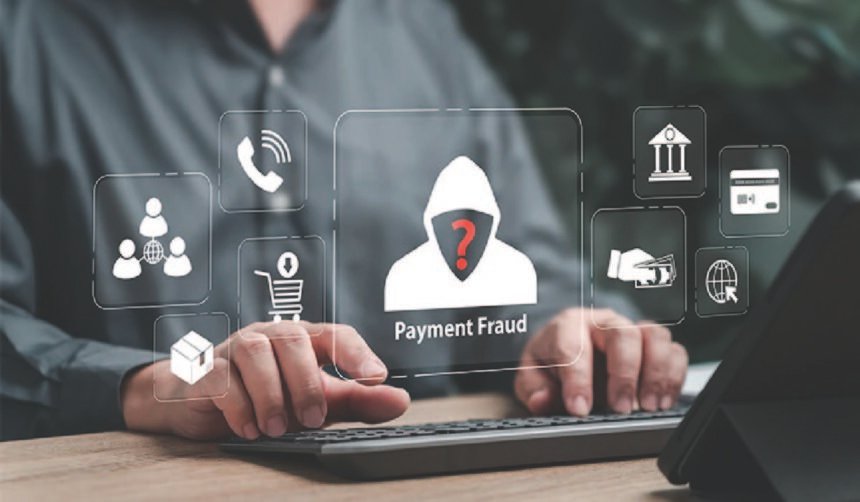
What Is a Fraudee?
A Fraudee is a person, business, or organisation that becomes the victim of fraud. In simple terms, it is someone who is tricked into giving away money, personal information, or access to sensitive accounts because they believed the situation was real. Unlike traditional theft, where something is taken without permission, a Fraudee often acts willingly based on trust and misinformation. That is what makes the concept so important to understand. Fraud today is rarely about force; it is about deception.
The experience of a Fraudee goes beyond financial loss. It usually involves emotional manipulation, urgency, and carefully designed lies. The Fraudee may believe they are protecting their account, helping a loved one, investing wisely, or paying a legitimate bill. The decision to act often feels reasonable at the time. Only later does the truth become clear. This emotional journey is why the term Fraudee matters. It reminds us that fraud is not about intelligence or carelessness; it is about human psychology and manipulation.
The word also shifts attention from only talking about the fraudster — the criminal — to recognising the impact on the victim. When we say “Fraudee,” we acknowledge the real people behind the statistics. This creates awareness, empathy, and a stronger motivation to prevent fraud from happening again.
Introduction
Every day, ordinary people wake up, check their phones, answer emails, and manage their money online without thinking twice. Within seconds, however, a simple click on a fake link, a reply to a convincing message, or a rushed payment can change everything.
Someone may receive a message that looks exactly like it came from their bank, warning them about suspicious activity. Another person may get a friendly message on social media that slowly turns into a request for financial help.
By the time doubt appears, the money is already gone. This is how many people become a Fraudee without even realising it in the moment. The word “Fraudee” focuses on the victim’s experience rather than just the criminal’s action. It highlights the human side of fraud — the trust that was built, the pressure that was applied, and the confusion that followed.
In this detailed article, you will learn exactly what a Fraudee is, how fraud unfolds step by step, the most common scams in 2026, warning signs to watch for, emotional effects, legal rights, and powerful protection strategies to help you stay safe in a fast-changing digital world.
Fraudee vs Fraudster — Key Differences
Understanding the difference between a Fraudee and a fraudster is essential for clarity. A fraudster is the individual or group that plans and executes the scam. They create fake websites, send deceptive emails, impersonate trusted authorities, and manipulate emotions for financial gain. Their goal is to exploit trust and create urgency so the victim acts quickly.
A Fraudee, on the other hand, is the person or organisation that suffers the consequences. The Fraudee loses money, data, confidence, or even reputation. The fraudster initiates the deception; the Fraudee experiences the harm. This distinction matters because it helps identify responsibility and rights. When someone understands they are a Fraudee, they are more likely to report the incident, seek support, and protect themselves in the future.
For example, a fraudster may send a fake invoice to a company pretending to be a supplier. The company that pays the invoice becomes the Fraudee. In another situation, a fraudster might impersonate a bank employee and convince a customer to share login details. The customer becomes the Fraudee. Recognising this difference helps people focus on prevention and recovery instead of self-blame.
Who Can Become a Fraudee?
The truth is simple and important: anyone can become a Fraudee. Age, education, intelligence, and professional experience do not provide complete protection. Fraudsters design scams to target emotions, not logic. Stress, fear, excitement, and urgency can influence anyone at the wrong moment.
Individuals are common targets. A young professional may fall for a fake investment opportunity promising fast returns. An elderly person may receive a call claiming to be from a government agency demanding immediate payment. A student might click a phishing email that looks like a scholarship offer. In each case, the Fraudee acted based on believable information.
Businesses and organisations are also vulnerable. Companies can become victims through Business Email Compromise scams, fake supplier invoices, payroll redirection fraud, or cyberattacks. In some cases, losses reach thousands or even millions of dollars. According to global cybersecurity reports, billions of dollars are lost every year due to digital fraud. These numbers demonstrate that fraud is not rare; it is widespread and growing.
How People Become Frauds — Step-by-Step
Most fraud follows a clear psychological pattern. It begins with contact. This may be an email, text message, phone call, or social media message that appears normal and harmless. The message often looks official and includes logos or personal details to increase credibility.
Next comes trust building. The fraudster may speak politely, provide convincing explanations, and answer questions confidently. They may reference real company names or include accurate personal information gathered from public sources. The Fraudee begins to feel comfortable.
Then comes urgency and pressure. The fraudster introduces a deadline or threat, such as “Your account will be locked today,” or “This investment opportunity ends in one hour.” Urgency reduces critical thinking and pushes for fast decisions.
After that comes action and loss. The Fraudee shares sensitive information, approves a transfer, or clicks a malicious link. Once this happens, the fraudster acts quickly to move funds or access accounts.
Finally, realisation and aftermath occur. The Fraudee notices unusual activity or receives confirmation of a payment they did not expect. By this stage, the money may already be transferred through multiple accounts. Understanding this pattern helps readers recognise scams early and break the cycle before damage happens.
Common Types of Fraud That Create Fraudees
Online shopping scams are among the most common ways someone becomes a Fraudee. Fake websites offer products at extremely low prices. After payment, the item never arrives, and customer service disappears. Warning signs include poor website design, lack of contact details, and unrealistic discounts.
Investment scams promise high returns with little risk. These scams often involve cryptocurrency, forex trading, or exclusive insider opportunities. The Fraudee may see fake dashboards showing profits before being asked to invest more money. Once a large payment is made, the platform vanishes.
Phishing and spoofed websites are widespread. Fraudsters replicate bank or government websites and send urgent messages directing victims to log in. Once credentials are entered, accounts are compromised.
Identity theft occurs when personal data is stolen and used to open credit lines or make purchases. The Fraudee may not realise it until receiving bills for unknown accounts.
Authorised Push Payment (APP) fraud involves victims sending money themselves, believing it is legitimate. This type is especially dangerous because transactions appear authorised.
Romance and emotional scams build relationships over time. Once emotional trust is strong, the fraudster asks for financial help.
Business Email Compromise scams target companies by impersonating executives or suppliers and requesting urgent payments. Each of these fraud types demonstrates how carefully designed deception turns someone into a Fraudee.
Warning Signs You May Be or Have Become a Fraudee
There are clear red flags that often appear before someone becomes a Fraudee. Urgent pressure is one of the strongest warning signs. If someone demands immediate action without giving time to verify, caution is necessary. Requests for unusual payment methods, such as gift cards or cryptocurrency, are also suspicious.
No legitimate company will ask for passwords or full credit card details via email or phone. Unknown transactions in bank statements are another serious warning sign. Deals that seem too good to be true almost always are. Taking a moment to pause and verify through official channels can prevent irreversible mistakes.
The Emotional Impact of Being a Fraudee
The initial reaction of a Fraudee is often shock and denial. Many people struggle to believe they have been deceived. This is followed by fear and stress, especially when financial loss is significant. Anxiety about identity theft or further fraud may continue for months.
Long-term emotional effects include distrust and hesitation when interacting online. Some Fraudees feel embarrassed or blame themselves, even though scams are professionally engineered to manipulate emotions. Recognising these feelings as normal reactions can help in recovery.
Why Fraud Is Growing in 2026
Fraud is increasing due to rapid digital finance growth, faster online payments, and global connectivity. Artificial intelligence now enables realistic phishing messages and deepfake videos. QR code scams, known as “quishing,” and SIM-swap fraud, called “smooshing,” have become more common. Global access allows fraudsters to target victims across borders easily. Technology has made life more convenient, but it has also expanded opportunities for criminals.
Deepfakes & AI-Generated Scams
Deepfakes are AI-generated videos or voice recordings that imitate real people. Fraudsters use them to impersonate executives, family members, or public figures. These fake media files can request urgent transfers or sensitive data.
To spot deepfakes, look for unnatural blinking, mismatched lighting, or strange voice patterns. Always verify unusual requests through a second communication channel. Direct confirmation can stop a scam before it succeeds.
Protecting Yourself: Best Practices
Protection starts with strong, unique passwords for every account. Multi-Factor Authentication (MFA) adds an extra layer of security by requiring a second verification step. Password managers help generate complex passwords and store them securely.
Biometric security, such as fingerprint or facial recognition, adds additional protection. Real-time transaction alerts notify users immediately of suspicious activity. Data minimisation, meaning limiting personal information shared online, reduces exposure. Always verify requests through official phone numbers or websites before sending money or information.
What To Do If You Become a Fraudee
- Immediately contact your bank and request account freezes or transaction blocks.
- Change all passwords, starting with your email account.
- Report the fraud to local authorities or national fraud reporting systems.
- Inform friends and family to prevent further spread.
- Consider identity recovery services if personal data was exposed.
Quick action increases the chances of minimising loss.
Legal Rights of a Fraudee
A Fraudee has the right to report fraud and seek assistance. Many financial institutions offer investigation and potential reimbursement depending on circumstances. Filing official complaints creates documentation that may support recovery. Keeping evidence such as emails and transaction records is critical. Legal action may be possible if the fraudster is identified.
How Technology Helps Protect Fraudsters
Banks and financial institutions use AI-powered detection systems to flag suspicious behaviour. Biometric liveness checks prevent deepfake impersonation. Fraud monitoring software analyses patterns in real time. Modern bank security features automatically block unusual transactions and send alerts. While no system is perfect, combined technology significantly reduces risk.
Future of Fraud & the Role of Trust
The future of fraud prevention is moving toward zero-trust security models, where every action must be verified. Public awareness campaigns are increasing. Encryption and decentralised identity systems are being developed to strengthen protection. Regulatory changes are also emerging to hold institutions accountable for stronger safeguards. Trust in online will increasingly depend on verification and transparency.
Conclusion
A Fraudee is not defined by weakness or lack of intelligence. It represents real people facing carefully engineered deception. Anyone can become a Fraudee in today’s digital world, but awareness and preparation can significantly reduce the risk.
Understanding patterns, recognising red flags, and taking protective measures create a powerful defence. Stay informed, verify before acting, and respond quickly if something feels wrong. By building smart habits and staying alert, you can navigate the online world confidently and protect yourself from becoming the next Fraudee.
Read More: