

Introduction
Content creation has gone through several major shifts over the past decade. From blogs and long-form videos to short-form clips and social media posts, each wave has reduced the time it takes to create and consume content. Now, artificial intelligence is accelerating this evolution even further, especially through AI meme generators.
What once required creativity, design skills, and time can now be done in minutes. AI meme generators are not just making content creation easier. They are changing how ideas are developed, tested, and distributed. For creators, marketers, and businesses, this shift is redefining what it means to produce content at scale.
Why are memes becoming central to modern content?
Memes are fast, visual, and emotionally engaging.
They communicate ideas instantly without requiring long explanations.
According to HubSpot, content that evokes emotion is shared up to twice as often as neutral content. Memes combine humor, relatability, and simplicity, making them ideal for today’s fast-paced digital environment.
As attention spans shrink, formats that deliver value quickly are becoming more important. Memes fit this need perfectly, which is why they are now central to content strategies.
How did content creation work before AI meme generators?
Traditional content creation required multiple steps and skills.
It involved brainstorming, designing, editing, and publishing.
Creators often needed tools like Photoshop, video editors, or design platforms. This process took time and limited how much content could be produced consistently.
For businesses, this also meant higher costs and slower response times. Missing a trend by even a few hours could reduce content relevance significantly.
What makes AI meme generators different?
AI meme generators remove friction from the creative process.
They allow users to go from idea to execution almost instantly.
Instead of starting from scratch, creators can input a concept and generate multiple variations within seconds. This changes the workflow from creation to iteration. The focus shifts from “how do I make this” to “which version works best.”
This shift is one of the biggest reasons AI is transforming content creation.
How do AI meme generators improve speed and efficiency?
Speed is one of the biggest advantages of AI.
It enables real-time content creation.
In traditional workflows, creating one piece of content could take hours. With AI meme generators, creators can produce several versions in minutes. This allows them to keep up with trends and audience expectations.
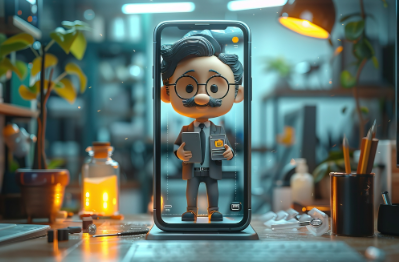
In many modern workflows, creators use tools like a meme generator by Viggle AI to quickly turn ideas into shareable content, especially when timing is critical. The ability to move fast often determines whether content performs well.
Can AI meme generators improve creativity?
AI does not replace creativity, but it enhances it.
It provides starting points and variations that inspire new ideas.
Creators can experiment with different tones, formats, and captions without investing significant time. This encourages exploration and reduces the fear of failure.
According to Adobe, creators using AI tools report higher creative output and faster ideation cycles. The ability to test ideas quickly leads to better results over time.
How are businesses using AI meme generators?
Businesses are integrating memes into their marketing strategies.
They use them for engagement, awareness, and storytelling.
Common use cases include:
- Social media posts that increase interaction
- Campaigns tied to trending topics
- Simplifying complex ideas through humor
Memes allow brands to communicate in a way that feels natural rather than promotional. This helps build stronger connections with audiences.
Do AI meme generators help small creators compete?
Yes, they level the playing field.
Small creators can produce content at the same speed as larger teams.
In the past, bigger brands had an advantage due to resources. AI reduces that gap by making tools accessible to everyone. A solo creator can now generate content at scale without needing a full team.
This democratization of content creation is one of the most significant impacts of AI.
How do AI meme generators influence content strategy?
Content strategies are becoming more experimental.
Creators focus on testing and learning rather than perfecting a single piece.
Instead of investing heavily in one idea, creators can produce multiple variations and see what resonates. This data-driven approach improves performance over time.
Social media algorithms reward consistent and engaging content, which aligns perfectly with this strategy.
What role do algorithms play in this transformation?
Algorithms prioritize engagement and relevance.
Memes naturally generate both.
When users interact with content through likes, comments, and shares, platforms increase its visibility. AI meme generators help creators produce content that aligns with these signals.
According to Social Insider, posts with higher engagement rates are significantly more likely to appear in discovery feeds, increasing reach.
Are there risks associated with AI-generated memes?
Yes, especially around quality and authenticity.
Not all AI-generated content performs well.
If memes feel generic or disconnected from audience context, they can fail to engage. There is also a risk of overproduction, where too much content reduces impact.
Creators still need to apply judgment, cultural awareness, and timing to ensure relevance.
How does AI affect personalization in content creation?
AI makes personalization more scalable.
Content can be tailored to different audiences easily.
Instead of creating one generic meme, creators can generate variations for specific groups. This increases relevance and engagement.
McKinsey reports that personalized content can increase engagement by up to 20 percent, highlighting the importance of targeted communication.
What does the future of content creation look like with AI?
Content creation will become faster, more data-driven, and more personalized.
AI will continue to play a central role.
Future developments may include real-time content generation based on live trends and deeper integration with audience analytics. As tools improve, creators will spend less time on production and more time on strategy.
This shift will redefine how content is created and consumed.
Conclusion
AI meme generators are not just a trend. They represent a fundamental shift in content creation. By reducing barriers, increasing speed, and enabling experimentation, they are changing how creators and businesses approach digital communication.
The future of content will be shaped by those who can adapt to this new reality. Understanding how to use AI effectively while maintaining creativity and authenticity will be key. As content continues to evolve, AI meme generators will remain at the center of this transformation.