


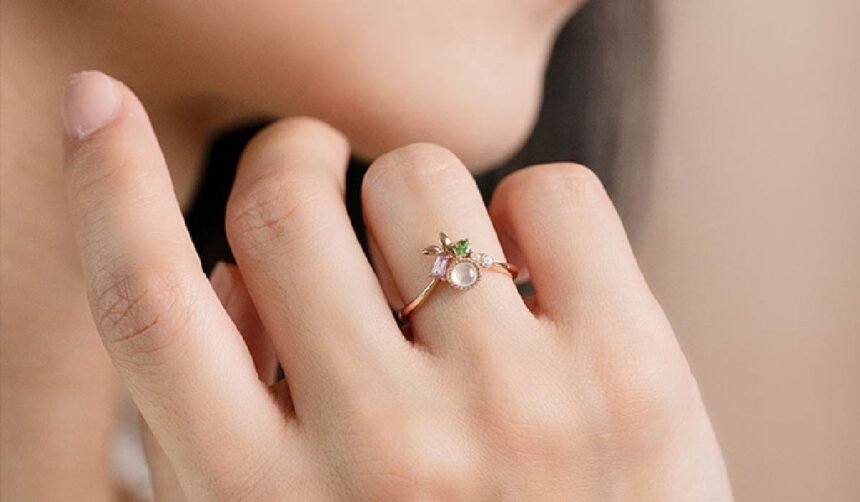
A jade ring can be one of the most personal pieces of jewelry to wear every day. It sits on the hand, moves with every gesture, and stays visible to the wearer throughout the day. Unlike a necklace that rests quietly under clothing or earrings that are seen mostly by others, a ring becomes part of how a person works, writes, holds, gives, and creates.
That closeness is one reason jade rings feel meaningful. In Chinese culture, jade is often associated with protection, harmony, virtue, peace, and good fortune. A jade ring can carry these meanings while also adding natural color and elegance to daily style.
But jade rings require care. Jade is tough, but it is not impossible to damage. A ring is more exposed to impact than many other jewelry pieces because the hand touches desks, doors, bags, phones, kitchen counters, and hard surfaces all day. Choosing the right jade ring for daily wear means balancing beauty, comfort, durability, and realistic lifestyle needs.
Why Jade Rings Need Special Attention
Jade is often described as durable, and that is true in many ways. Both jadeite and nephrite are known for toughness compared with many gemstones. However, toughness does not mean a jade ring can survive every kind of impact.
Rings are vulnerable because they are worn on the most active part of the body. A jade pendant may rest safely against the chest. A jade bracelet may move around the wrist. A jade ring, however, can hit hard objects many times a day without the wearer even noticing.
This is especially important for jade cabochon rings, carved jade rings, and rings with raised jade settings. If the stone sits high above the band, it may be more likely to knock against surfaces. Over time, careless wear can lead to scratches, chips, cracks, or loosened settings.
A good daily-wear jade ring should be beautiful, but it should also be practical enough for real life.
Choose the Right Jade Type
Before choosing a jade ring, understand what kind of jade you are buying. The word “jade” usually refers to jadeite or nephrite. Both are genuine jade, but they differ in appearance, structure, rarity, and market value.
Jadeite is often more valuable, especially when it has fine texture, attractive color, and good translucency. It is the material most often associated with high-quality Burmese jadeite jewelry.
Nephrite is also real jade and has a long history in Chinese culture. It is often tough, smooth, and suitable for carving. Depending on the design, nephrite can also be excellent for daily wear.
The key is transparency. A seller should clearly explain whether the ring is jadeite, nephrite, treated jade, or another jade-like material. If the description is vague, buyers should ask questions before purchasing.
Why Type A Jadeite Matters
If you are buying jadeite, treatment status matters. Type A jadeite means natural jadeite that has not been bleached, dyed, or polymer-filled. This is usually the preferred choice for buyers who care about authenticity and long-term value.
Treated jadeite may look bright or clean in photos, but it may not have the same stability, value, or meaning as natural untreated jadeite. Type B jadeite is usually chemically treated and polymer-filled. Type C jadeite is dyed. Type B+C jadeite may involve both processes.
For daily jewelry, authenticity gives confidence. A certified Type A jade ring is not only about beauty. It also helps buyers feel more secure that the jade has not been artificially enhanced in ways that affect value.
This does not mean every daily-wear ring must be expensive. It means the material should be honestly described.
Avoid Rings With Overly Exposed Jade
The shape and setting of a jade ring affect how safe it is for daily wear.
A low-profile jade ring is usually easier to wear every day because the stone sits closer to the finger. It is less likely to hit objects, catch on clothing, or feel bulky during daily tasks.
A high-set jade ring may look dramatic, but it can be riskier. If the jade sits far above the band, it is more exposed to accidental impact. This is especially true for large cabochons, tall carved designs, or statement rings.
Carved jade rings can be beautiful, especially symbolic designs such as Pixiu, Dragon, Lotus, or Guanyin. However, detailed carvings may have raised areas, thinner edges, or small parts that require extra care.
For daily wear, choose a design that feels secure, smooth, and balanced.
Check the Setting Carefully
A jade ring is only as durable as its setting. Even strong jade can be damaged if the metalwork is weak or poorly finished.
Look at how the jade is held in place. Is the stone securely set? Are the edges smooth? Are there prongs, bezels, or metal frames protecting the jade? Does the ring look balanced, or does the stone appear unstable?
A bezel-style setting can offer more protection because metal surrounds the edge of the stone. Prong settings can be elegant, but the prongs must be strong and well positioned. If the jade is glued into the setting without clear support, it may be less reliable for daily use.
For adjustable jade rings, check the band as well. The adjustable part should feel sturdy, not thin or fragile. The ring should allow gentle size changes without putting pressure on the jade.
Choose a Comfortable Fit
A daily ring must feel comfortable. If it is too tight, it may become painful as fingers swell during the day. If it is too loose, it may spin, slide, or hit surfaces more often.
Adjustable jade rings can be helpful because they offer more flexibility, especially for online buyers. Fingers can change size slightly due to temperature, weather, travel, or daily activity. An adjustable band allows small corrections.
However, adjustable does not mean the ring should be bent constantly. The band should be adjusted gently and only when needed. Repeated force can weaken the metal over time.
A ring that fits well is not only more comfortable. It also helps protect the jade because the ring moves less unpredictably.
Think About Your Daily Routine
Before buying a jade ring, be honest about your lifestyle. Do you type all day? Cook often? Exercise regularly? Work with tools? Carry heavy bags? Wash dishes by hand? Travel frequently?
If your hands are very active, choose a smaller, lower-profile jade ring. Avoid large raised stones or delicate carvings for daily wear. Save statement jade rings for dinners, events, or special occasions.
If you work in an office or wear jewelry mostly in low-impact settings, you may have more flexibility. A cabochon ring, small symbolic ring, or adjustable jade ring can work well.
The best jade ring is not the one that looks most impressive in photos. It is the one you can wear confidently without worrying all day.
Remove the Ring During High-Risk Activities
Even a durable jade ring should be removed during certain activities.
Take it off before lifting weights, gardening, cleaning, moving furniture, cooking with heavy pots, swimming, or using harsh chemicals. Remove it before applying lotion, perfume, sunscreen, or cleaning products that may affect the metal setting.
You should also be careful when washing hands. Plain water is usually not a major problem, but repeated exposure to soap, alcohol gel, and moisture may affect metal, glue, or surface finish over time.
A simple habit helps: keep a small jewelry dish or soft pouch in safe places, such as your bedroom or office drawer. This reduces the chance of placing the ring somewhere unsafe.
Avoid Harsh Cleaning Methods
Jade does not need aggressive cleaning. For daily care, a soft cloth is usually enough. If needed, wipe the ring gently with mild water and dry it carefully.
Avoid bleach, strong detergents, ultrasonic cleaners, steam cleaners, and abrasive brushes. These may damage the metal setting, affect treated materials, or create unnecessary risk.
If dirt collects around the setting, use a soft cloth or a very soft brush with gentle care. Do not scrape around the jade with sharp tools.
For valuable jade rings, professional inspection and cleaning may be better than risky home methods.
Store Jade Rings Separately
When you are not wearing your jade ring, store it carefully. Do not throw it into a jewelry box with diamonds, sapphires, metal chains, or sharp-edged rings. Harder stones and metal settings can scratch or knock against the jade.
Use a soft pouch, ring box, or lined jewelry tray. If you own several jade pieces, keep them separated so they do not hit each other.
Good storage is especially important for carved jade rings. Raised details can chip if pressed against other jewelry.
Daily care does not need to be complicated. It only needs to be consistent.
Choose the Right Color for Daily Wear
Color is personal, but it also affects how often you may wear the ring.
Green jade is classic and meaningful. It pairs well with black, white, navy, cream, gold, and many everyday outfits. Lavender jade feels soft and elegant, especially with neutral or romantic clothing. Icy or white jade looks clean and modern, making it easy to wear with silver or minimalist style.
Dark green or black jade can feel grounded and understated. These colors may work especially well for men’s rings or people who prefer subtle jewelry. Yellow or honey-toned jade feels warm and pairs well with gold settings and earthy colors.
For daily wear, choose a color that fits your real wardrobe. A ring you love but never match with clothing will not become a true daily piece.
Consider Symbolic Designs Carefully
Many jade rings feature traditional symbols. Pixiu is associated with wealth protection and opportunity. Dragon represents strength, authority, and confidence. Lotus symbolizes purity, renewal, and inner growth. A simple cabochon may represent calm beauty and balance.
Symbolism can make a jade ring feel more personal, but it should also match the wearer’s style. A large Pixiu or Dragon ring may feel powerful, but it may not suit someone who prefers minimal jewelry. A Lotus or cabochon ring may be easier for daily wear.
A symbolic ring should feel meaningful, not forced. Choose a design that reflects the wearer’s personality and life stage.
Authenticity and Craftsmanship Matter Together
A jade ring should be both real and well made. Authentic jade with poor craftsmanship may still be uncomfortable or fragile. Beautiful metalwork with imitation stone may not satisfy buyers who want genuine jade.
Look for clear material descriptions, good photos, smooth polish, secure settings, and honest information about treatment status. For higher-value pieces, certification can provide important peace of mind.
When comparing BMjade jade rings, buyers can look at jade color, ring structure, symbolic design, adjustability, and daily wearability together rather than judging only by appearance.
A thoughtful purchase considers the whole ring, not just the stone.
Final Thoughts
Choosing a jade ring for daily wear requires more than picking a beautiful color. Because rings are exposed to constant movement and impact, buyers should consider jade type, treatment status, setting style, fit, comfort, craftsmanship, and lifestyle.
A good daily jade ring should sit securely, feel comfortable, and avoid excessive exposure to damage. It should be removed during high-risk activities, cleaned gently, and stored separately.
Jade is meaningful because it can become part of daily life. But daily life is exactly why the right design matters. When chosen carefully, a jade ring can be both beautiful and wearable: a quiet symbol of protection, balance, and personal style that stays with the wearer for years.