



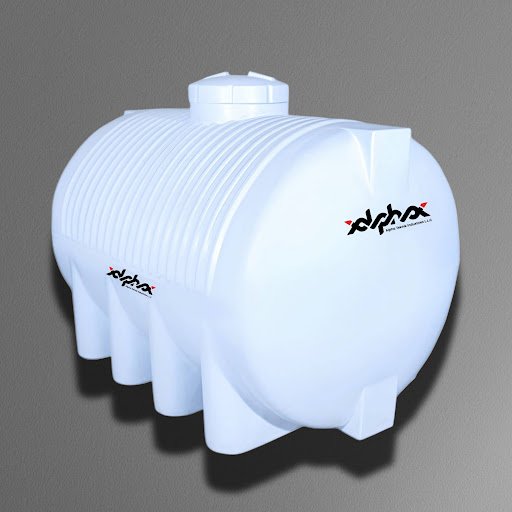
If you search for water tanks in UAE online or drive through any industrial area in Dubai or Sharjah, you will encounter a large number of companies offering products at a wide range of prices. Choosing between them is not as simple as finding the lowest price for a given size. The differences between products and suppliers in this market are significant, and making the wrong choice based on price alone can result in health risks, early product failure, and costs that far exceed any initial saving.
This guide covers the specific factors that should inform your supplier decision for any water storage purchase in the UAE. Selecting the right water tank material becomes critical, and a grp tank is another option.
Material certification is the most important factor and the one that separates credible suppliers from those who should be avoided. A potable water tank must be manufactured from food-grade materials. Food-grade polyethylene is a specific material specification that covers both the purity of the base resin and the absence of additives that could leach into stored water and pose health risks. It is not enough for a supplier to claim their tanks are food-grade. They should be able to produce the material certification documents that verify this claim.
Ask any prospective supplier to provide material certification for their tanks. A supplier who cannot or will not provide this documentation is not a supplier you should be buying from, regardless of price. The documentation should come from the material manufacturer and should specify the grade and standards compliance of the polyethylene used in the tank construction.
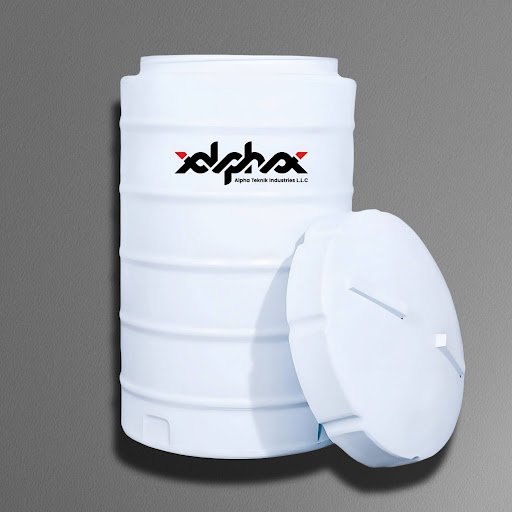
UV resistance is the second technical requirement specific to UAE conditions. Tanks sold in cooler climates may use polyethylene formulations that do not include UV stabilizers because outdoor exposure is less intense. In the UAE, a tank without adequate UV resistance will begin to degrade visibly within two to three years and will fail structurally within five to seven years. The outer surface becomes brittle, develops surface crazing, and eventually cracks. This is not a cosmetic issue. Structural cracks compromise the tank’s integrity and potentially allow contamination.
Quality UV-resistant tanks use a multi-layer construction where the outer layer contains UV absorbers or stabilizers that protect the structural material underneath. Ask about UV resistance specifically and ask for the expected lifespan of the product under UAE outdoor conditions. A tank sold with a claim of 15-year lifespan should have UV resistance verified to support that claim.
Insulation is the third technical factor specific to UAE conditions. A tank without an insulating layer stores water that reaches temperatures well above what is safe for drinking in UAE summer conditions. The foam layer in a quality insulated tank makes a significant practical difference in water quality and safety. It is also a factor in the price, which is why some lower-cost tanks omit it. If a supplier is offering tanks at prices significantly below competitors, one of the first questions to ask is whether the tanks are insulated.
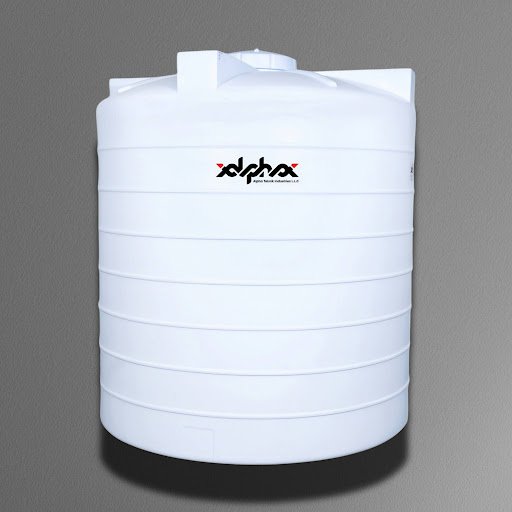
Warranty terms are a reliable proxy for the manufacturer’s confidence in their product. A manufacturer who offers a five-year warranty on a polyethylene tank and a ten-year warranty on GRP products is committing to stand behind their product for those periods. A supplier offering a one-year warranty or no warranty at all is signalling that they do not expect the product to perform well past the point of sale.
Asking what the warranty covers is as important as knowing its duration. A warranty that covers manufacturing defects but excludes UV degradation and thermal cracking effectively excludes the most likely failure modes in UAE conditions. Read the warranty terms carefully before purchase.
Local manufacturing versus import is a consideration that affects more than just price. A UAE-based manufacturer is subject to UAE consumer protection laws and is directly accountable to customers who have problems with products. A local manufacturer can also provide faster delivery, local stock of spare parts and fittings, and technical support from people who understand the specific conditions of the UAE market. An overseas supplier with no local presence has no ongoing accountability once the product is delivered.
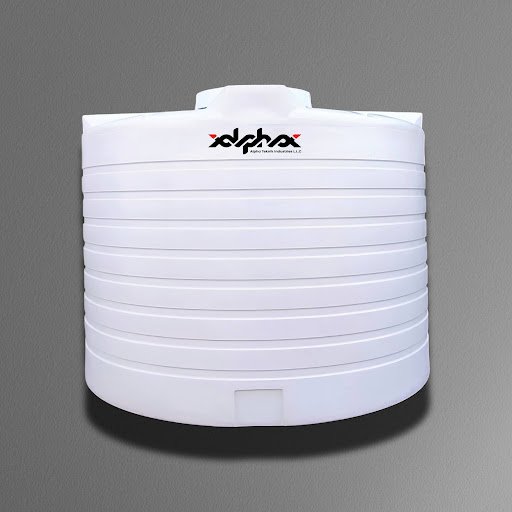
Customer service quality can be assessed before purchase by observing how the supplier handles your inquiry. Do they ask questions about your installation to recommend the right product? Do they explain sizing and installation considerations proactively? Or do they simply quote a price for whatever you asked about without engaging with your actual needs? A supplier who helps you buy the right product rather than the most expensive one is a supplier worth working with.
References from other customers in the UAE are valuable if you can obtain them. A supplier who has been operating in the UAE for years and can point to completed installations across a range of building types has a track record you can assess. A newer supplier or one without UAE-specific experience may be selling products that are not optimized for local conditions.
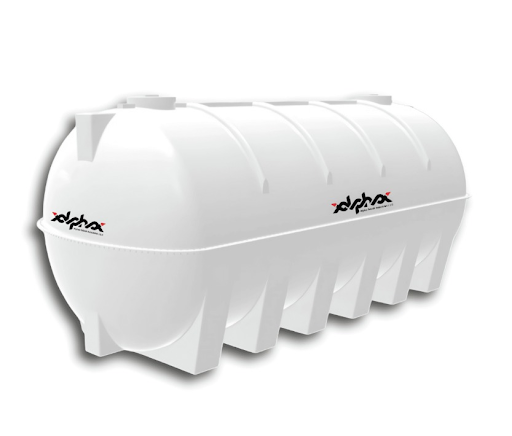
Price should be the last factor considered, not the first. The right frame for this decision is total cost of ownership over the expected lifespan of the tank, not the purchase price on the day. A cheaper tank that fails at year five and needs replacement will cost more over ten years than a quality tank that performs for fifteen years with basic maintenance. A cheap tank that contaminates your water supply creates costs and health risks that dwarf any saving on the purchase price.
Alpha Teknik manufactures all products in Dubai, carries full material certifications, offers warranty coverage appropriate to the product type, and can provide references from completed installations across the UAE. When you buy from us, you deal directly with the manufacturer, not with a trader who may not fully understand the product they are selling.