




Small rodents — mice, rats, hamsters, gerbils, guinea pigs — are the most underrated pet category for first-time owners. The public perception is that they’re “kids’ pets” or “starter pets,” both of which undersell what these animals actually are. They’re intelligent, social, behaviorally complex small mammals that can be deeply rewarding to keep well, and they suit households for whom dogs or cats don’t fit.
I see small-rodent intakes regularly in general veterinary practice, and the pattern I notice most is that many owners — especially adult first-time owners — underestimate them going in. This piece is for anyone considering a small rodent as a first pet, or reconsidering them for a household where a larger pet won’t work.
The under-recognized advantages
Time commitment is genuinely lower. A dog requires multiple hours of active engagement per day. A small rodent requires 30-60 minutes of interaction plus daily feeding and cage maintenance. For busy professionals, small apartments, or households with young children whose own needs consume most of the parental bandwidth, this is a real advantage.
Cost is substantially lower across the board. Initial setup for a well-equipped rat or mouse cage runs $150-$300. Monthly food and bedding is $20-40. Vet costs exist but are lower on average than dogs and cats, though specialty “exotic mammal” vets are not universal.
Lifespan is shorter, which suits specific household situations. Pet rats typically live 2-3 years; mice 1-2; hamsters 2-3; gerbils 3-4; guinea pigs 5-7. This is a disadvantage for owners wanting long-term companions. It’s a structural advantage for older adopters, for college students who won’t be in the same housing long-term, or for families who want to give children pet-ownership experience without a 15-year commitment.
Apartment compatibility is near-universal. No noise complaints, no space requirements, no walks. Rodents fit urban living in ways most pets don’t.
The honest downsides
They’re prey animals, which shapes everything. Small rodents are hard-wired to be cautious of large creatures, which includes you. Handling requires patience and gradual trust-building, often weeks of consistent work before the animal is comfortable being picked up. Owners expecting immediate cuddly interaction are disappointed.
Social structure matters more than most first-time owners know. Rats are highly social and should be kept in same-sex groups of at least two. Mice are similar. Guinea pigs are social and keeping a single guinea pig is now considered suboptimal welfare in many jurisdictions. Hamsters, interestingly, are the opposite — solitary animals who should not be housed together despite looking cute in a shared cage. Getting this wrong produces either fights or loneliness, both of which are welfare problems.
Veterinary coverage is thinner. Not every general-practice vet treats pocket pets well. Exotic-mammal specialists exist but are concentrated in major metro areas. Before adopting, identify the nearest appropriate vet and confirm they’re accepting new patients.
Short lifespan means more frequent grief. A household that adopts multiple small rodents over a decade experiences multiple losses. This is harder on children than the “short-lifespan = less commitment” logic suggests.
Species-specific notes for first-time choosers
Rats are, in my opinion, the best all-round small-rodent pet for adult first-time owners. Intelligent, social, trainable, relatively low-maintenance, and form genuine bonds with humans. Kept in pairs, they’re actively entertaining. Main downside: 2-3 year lifespan means loss comes quickly.
Mice are smaller and more delicate than rats, less interactive, and harder for children to handle safely. Better suited to observational ownership than hands-on. The mice as pets guide on Pawlisty has a good rundown of the specifics if you’re considering this species in particular.
Syrian hamsters are the classic “first pet” hamster — larger, more handleable than dwarfs, solitary. Their nocturnal schedule is a real consideration; they’re most active when you’re asleep.
Dwarf hamsters are cute but harder to handle, faster, and more prone to nipping. Not the right first hamster for most households.
Gerbils are active, social, kept in same-sex pairs, and burrow extensively — which requires a deep-bedding setup most beginner cages don’t provide. Longer-lived than hamsters.
Guinea pigs are larger, longer-lived, more socially demanding, and require more space than most first-time owners plan for. Good pets, but not the “low-commitment” option they’re often positioned as.
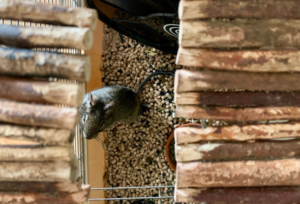
Setup considerations most beginner guides miss
Cage size standards are higher than pet stores suggest. The cages sold at most retail pet stores are systematically too small for welfare-appropriate keeping. Research current recommendations from welfare organizations (RSPCA for UK, ASPCA and species-specific rescues for US) rather than relying on store sizing.
Bedding matters significantly. Cedar and pine shavings are respiratory irritants for most small rodents despite being common at retail. Paper-based bedding, aspen, or hemp are safer.
Cage placement matters. Direct sunlight, kitchens with cooking fumes, and high-traffic areas all produce welfare issues. A stable, moderate-temperature, quiet location is what you want.
Enrichment is non-optional. Wheels (solid surface, correctly sized), tubes, hiding spots, chews, rotation of toys. A bare cage with food and water is not adequate welfare. Research the specific species’ enrichment needs before setup.
Sourcing and acquisition
Small rodents are often acquired casually — from pet stores, classified ads, or surplus from hobby breeders. The sourcing affects outcomes more than most new owners realize:
- Pet stores vary widely. The better ones (smaller chains, specialty rodent stores) do better than the big-box chains, where small-rodent husbandry conditions are often poor and where animals may arrive ill or mis-sexed (leading to unexpected pregnancies).
- Hobby breeders who specialize in a specific species are usually the best source. They document lineage, health, and socialization history.
- Rescues exist for almost every small-rodent species — more than most adopters realize. These are often the most welfare-focused source.
- Pet marketplaces can work well if they verify seller identity and enforce health-documentation standards, especially for less common species where finding a local breeder is difficult.
Who these pets are actually right for
- Adult first-time owners who want the experience of keeping a pet without committing a decade of their lives.
- Apartment dwellers who can’t keep a dog.
- Older adopters for whom a 15-year commitment is too long.
- Families with children old enough to be gentle (typically 8+), where an adult supervises care.
- Households curious about animal behavior — small rodents, especially rats, are fascinating to observe and interact with.
Not right for: households expecting a cuddly pet-on-demand, households with very young children who can’t yet handle delicate animals carefully, or households unwilling to pair social species appropriately.
Small rodents are one of the best-kept secrets of the pet-ownership world. Kept well, they’re engaging, affectionate in their own ways, and deeply rewarding. Kept badly, they suffer quietly. The difference is almost entirely in the pre-adoption research.
Jess Rivera is a registered veterinary nurse (RVN) based in Austin, Texas, and writes about practical pet ownership for owners who want clinical information in plain language.