



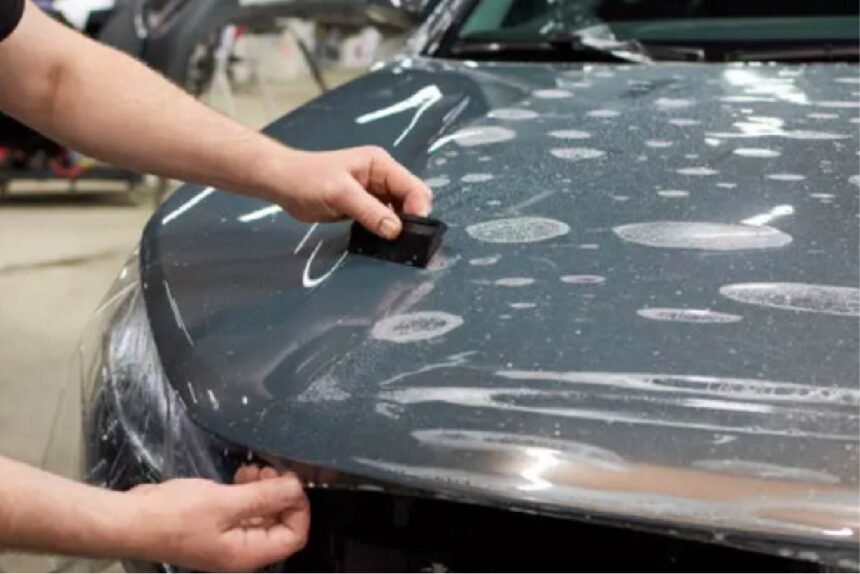
The automotive industry is currently navigating a significant paradigm shift in how surface protection is conceptualized and executed. As original equipment manufacturers (OEMs) transition to more environmentally friendly, yet often thinner and softer water-based paints, the vulnerability of factory clear coats has increased. Simultaneously, the costs associated with factory-quality repainting and commercial refinishing have escalated dramatically. In this landscape, relying on traditional sacrificial layers like carnauba wax or standard synthetic sealants is no longer a viable long-term strategy for asset preservation.
Material science has aggressively evolved to address these vulnerabilities, moving away from temporary chemical applications to highly engineered, semi-permanent physical barriers. Paint Protection Film (PPF) has emerged as the definitive standard for vehicle preservation. By leveraging advanced polymer science, these modern films deliver measurable protection against environmental and mechanical degradation, effectively transforming exterior maintenance from a purely aesthetic endeavor into a calculable financial investment for modern vehicle owners and fleet managers.
The Material Science: PVC vs. Aliphatic TPU (Thermoplastic Polyurethane)
Understanding the performance metrics of modern paint protection requires analyzing the base polymers. For years, the automotive aftermarket relied heavily on Polyvinyl Chloride (PVC), a cost-effective but inherently rigid plastic. While PVC provided a basic physical barrier against debris, its molecular structure lacked the essential tensile strength and dimensional stability required for long-term automotive applications. Over time, PVC films suffered from rapid plasticizer migration, leading to severe yellowing, embrittlement, and catastrophic adhesive failure when subjected to continuous UV exposure.
The industry standard was fundamentally elevated with the integration of aliphatic TPU (Thermoplastic Polyurethane). Unlike standard PVC, the aliphatic TPU structure is characterized by highly flexible, cross-linked polymer chains that grant the material extraordinary optical clarity, elasticity, and chemical stability. This distinct molecular arrangement prevents the breakdown of the polymer backbone when exposed to severe environmental factors, ensuring the film remains invisible and structurally sound over a decade of use.
The transition from traditional PVC to modern aliphatic TPU has drastically changed the expectations for film durability. Today’s high-performance materials are engineered to withstand severe environmental stress without degrading. For example, technical specifications from global manufacturers like FlexiPPF demonstrate that premium TPU films can successfully block up to 99% of UV rays and endure over 5,000 hours of direct UV radiation testing without showing signs of yellowing or embrittlement.
Core Defensive Mechanisms of Modern PPF
The Mechanics of Self-Healing Elastomers
The most critical technological advancement in modern PPF is its capacity to self-heal from mechanical abrasions. This phenomenon is strictly driven by the physics of elastomeric polymers formulated into the film’s uppermost layer. These specialized macromolecules possess a profound “shape memory” attribute. At a molecular level, they inherently favor returning to their lowest energy state—which is their original, perfectly smooth formation.
When the surface of the film sustains microscopic damage, such as swirl marks induced by improper washing techniques or light abrasions from road debris, the polymer chains are physically displaced rather than completely severed. When these elastomeric polymers are exposed to thermal energy—whether from ambient solar radiation, residual engine heat, or a professional heat gun—they become highly reactive. The thermal input provides the energy required for the polymer chains to shift back into their natural alignment, causing micro-scratches to visually and structurally disappear.
Advanced UV Resistance and Anti-Yellowing Technology
Beyond mitigating kinetic impact, the top-coat of premium PPF serves as an impenetrable barrier against severe chemical contamination. Modern clear coats are exceptionally susceptible to chemical etching from acidic compounds found in insect splatter, avian excrement, and industrial acid rain. When left untreated on unprotected paint, these reactive contaminants break down the clear coat, causing permanent localized structural damage.
Advanced TPU films are engineered with a densely cross-linked, hydrophobic top-coat that exhibits extreme chemical inertness. This impenetrable surface tension prevents acidic compounds from anchoring to or penetrating the film. Furthermore, the molecularly embedded UV inhibitors function as a permanent solar shield. By absorbing and safely dissipating harmful ultraviolet radiation, the film actively prevents the underlying OEM paint from oxidizing, fading, or delaminating.
Calculating the ROI for Dealerships and High-Value Fleets
For automotive detailing enterprise owners, dealership general managers, and commercial fleet operators, the implementation of premium PPF is far more than a cosmetic upsell; it is a vital tool for comprehensive asset management. Integrating PPF into a commercial fleet minimizes the costly vehicle downtime associated with paint correction, rock chip repair, and rust remediation. To read more related information, you can click the link https://www.flexippf.com/ru/automotive-films/car-wraps.
For luxury automotive dealerships, offering pre-installed PPF provides a substantial markup opportunity, directly increasing front-end gross profit margins while simultaneously improving customer satisfaction metrics. Furthermore, mitigating cosmetic damage fundamentally stabilizes the vehicle’s long-term financial viability.
When calculating the return on investment for protective coatings, the exterior condition of the paint plays a foundational role in a vehicle’s depreciation curve. According to automotive valuation data published by Kelley Blue Book, keeping a vehicle in ‘excellent’ cosmetic condition can increase its trade-in or private party resale value by a significant margin compared to vehicles exhibiting typical paint degradation, swirl marks, or environmental etching.
Best Practices for Long-Term Film Maintenance
While modern TPU films are engineered for extreme resilience, adherence to professional maintenance protocols is strictly required to maximize their 7-10 year lifespan and preserve the integrity of the hydrophobic top-coat. Industry experts mandate the following baseline procedures:
- Utilize pH-Neutral Chemistry: Never subject the film to highly caustic or acidic degreasers. Exclusively use pH-neutral automotive shampoos that clean effectively without degrading the film’s chemical resistance or embedded UV inhibitors.
- Regulate High-Pressure Washing: When employing a pressure washer, strictly maintain a nozzle distance of at least 12 to 18 inches away from the vehicle’s surface. Crucially, never point the pressurized spray directly at the exposed edges of the film to prevent delamination or edge lifting.
- Implement Safe Mechanical Wash Techniques: Always use a dual-bucket wash system equipped with grit guards and premium microfiber media to prevent abrasive particulate matter from scratching the top-coat. Avoid automated car washes that utilize stiff, abrasive friction brushes.
- Apply Specialized Ceramic Boosters: Periodically apply a silica-based (SiO2) synthetic sealant specifically formulated for polyurethane films. This routine maintenance replenishes the slickness, enhances UV protection, and maintains optimal self-cleaning properties.
Conclusion
The evolution of automotive surface protection from temporary chemical waxes to highly engineered physical barriers marks a definitive milestone in vehicle preservation technology. By harnessing the unparalleled chemical stability of aliphatic TPU alongside the self-healing properties of elastomeric polymers, modern Paint Protection Film delivers an uncompromised defensive shield. For industry professionals, dealership networks, and high-end vehicle owners, integrating premium PPF is not merely an aesthetic enhancement; it is a data-backed, financially sound strategy for long-term asset protection and value retention.