



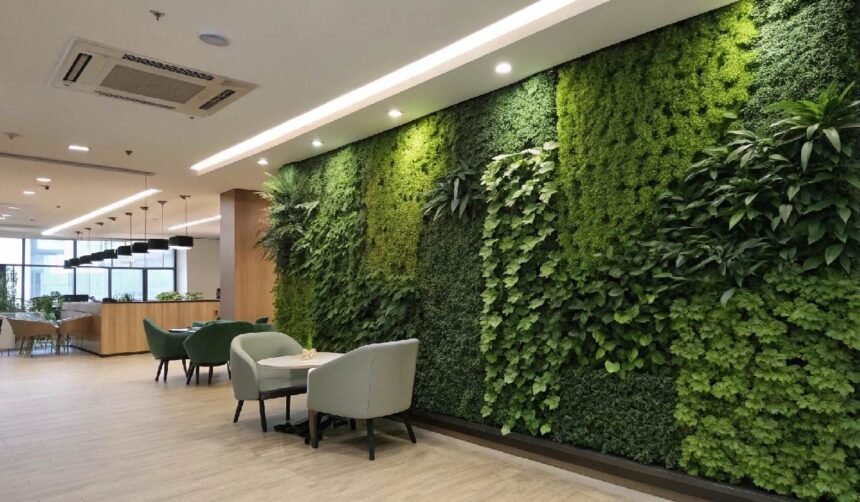
Introduction
In modern architecture and design, the integration of natural aesthetics into built environments has become a defining trend. As urban spaces continue to grow and outdoor greenery becomes limited, designers and property owners are increasingly turning to innovative solutions that bring a sense of nature indoors and enhance exterior spaces. One of the most effective and visually striking solutions is the use of vertical greenery systems. Among these, the concept of an artificial green wall has gained significant popularity due to its ability to deliver natural-looking beauty without the maintenance demands of living plants.
This design solution is widely used in residential homes, commercial buildings, hospitality spaces, and corporate environments. It allows architects and designers to create visually engaging environments that feel fresh, modern, and inviting while remaining highly practical and cost-effective. The combination of durability, versatility, and aesthetic appeal makes it a preferred choice for long-term design applications.
Concept and Structure of Vertical Greenery Systems
Vertical greenery systems are designed to replicate the appearance of natural plant-covered walls by using modular panels filled with synthetic foliage. These panels are engineered to be mounted on vertical surfaces, transforming plain walls into vibrant green installations.
An artificial green wall is constructed using high-quality synthetic materials such as polyethylene and UV-resistant plastics. These materials are carefully shaped and colored to resemble real leaves, vines, and plant textures. The panels are designed with layered arrangements that create depth and realism, mimicking the natural growth patterns of vegetation.
The modular structure allows for easy customization, enabling designers to create unique patterns, densities, and styles depending on the intended aesthetic. Whether used for subtle decorative accents or full wall coverage, these systems offer flexibility that traditional landscaping cannot achieve in limited spaces.
Material Composition and Engineering Design
The performance and appearance of vertical greenery systems depend heavily on their material composition. The synthetic foliage used in an artificial green wall is typically manufactured using durable polymers that resist fading, cracking, and environmental damage.
Each panel consists of a strong backing structure, often made of plastic or reinforced mesh, which holds the artificial foliage securely in place. The leaves and plant elements are arranged in multiple layers to create a three-dimensional effect that closely resembles real vegetation.
High-quality systems are often treated with UV-resistant coatings to prevent discoloration when exposed to sunlight. This makes them suitable for both indoor and outdoor applications. In addition, fire-retardant treatments may be applied to ensure compliance with safety standards in commercial environments.
The engineering behind these systems focuses on durability, ease of installation, and long-term visual consistency, making them a reliable alternative to living plant walls.
Aesthetic Value and Design Versatility
One of the most compelling advantages of vertical greenery systems is their ability to dramatically enhance visual appeal. An artificial green wall can transform an ordinary space into a vibrant and engaging environment without requiring ongoing maintenance.
These systems offer a wide range of design possibilities. They can replicate dense tropical foliage, minimalist moss textures, or structured geometric plant patterns depending on the design vision. This versatility allows them to complement both modern and traditional architectural styles.
In interior design, they are often used as feature walls in living rooms, office lobbies, conference rooms, and retail spaces. In exterior applications, they enhance building facades, patios, balconies, and commercial entrances. The ability to create a natural atmosphere without the constraints of climate or sunlight makes them highly adaptable.
Functional Benefits Beyond Appearance
While visual appeal is a major factor, vertical greenery systems also provide several functional advantages. One important benefit is acoustic improvement. The layered structure of synthetic foliage helps absorb sound, reducing noise levels in busy environments such as offices, restaurants, and public spaces.
Another benefit is surface protection. Installing an artificial green wall helps shield underlying wall surfaces from dust, scratches, and minor environmental wear. This can extend the lifespan of interior and exterior finishes while maintaining a clean and polished appearance.
Additionally, these systems require no irrigation, sunlight, or soil, which eliminates the risk of water damage, mold growth, or pest infestations commonly associated with natural plant installations. This makes them particularly suitable for indoor environments where maintenance access may be limited.
Installation Process and Structural Requirements
The installation of vertical greenery systems requires careful preparation and attention to detail. The wall surface must be clean, stable, and capable of supporting the weight of the panels. In many cases, a supporting framework is installed to ensure secure attachment and alignment.
Panels are typically mounted using screws, clips, or specialized adhesive systems depending on the surface type and design requirements. Proper alignment is essential to create a seamless and natural-looking finish without visible gaps between sections.
Professional installation ensures that the system is securely attached and visually consistent. Experts also ensure that panel orientation and layering create a realistic plant distribution pattern.
For high-quality results, many property owners choose professional services such as artificial green wall installation, which ensures durability, precision, and long-term performance.
Maintenance Requirements and Longevity
One of the most attractive features of vertical greenery systems is their extremely low maintenance requirement. Unlike living plant walls, they do not require watering, trimming, fertilizing, or sunlight exposure.
Maintenance typically involves occasional dusting or gentle cleaning to preserve their appearance. In outdoor installations, periodic rinsing may be used to remove dust or environmental buildup. Because the materials are designed to be durable and weather-resistant, they maintain their appearance for many years with minimal effort.
This makes them an ideal solution for commercial spaces where maintenance costs and time efficiency are important considerations.
Environmental and Sustainability Aspects
Although synthetic greenery does not involve live plants, it still contributes to sustainability in several ways. By eliminating the need for water, fertilizers, and pesticides, it reduces resource consumption and environmental impact associated with traditional landscaping.
The long lifespan of these systems also reduces waste, as they do not need frequent replacement. Many manufacturers are now using recyclable materials and environmentally conscious production methods to further enhance sustainability.
In urban environments where natural vegetation may be limited, an artificial green wall provides a practical alternative for introducing greenery-inspired design elements without placing additional strain on environmental resources.
Applications Across Modern Architecture
Vertical greenery systems are widely used across different sectors of architecture and design. In commercial buildings, they are often installed in reception areas, office lobbies, and retail interiors to create a welcoming and visually engaging atmosphere.
In hospitality environments such as hotels and restaurants, they enhance ambiance and contribute to a relaxing and luxurious experience for guests. In residential spaces, they are used to bring natural aesthetics into interiors without the upkeep required by live plants.
Outdoor applications include building facades, garden walls, balconies, and rooftop terraces. Their adaptability makes them suitable for both large-scale architectural projects and small decorative enhancements.
Design Trends and Future Innovations
As design trends continue to evolve, vertical greenery systems are becoming more advanced and realistic. Manufacturers are developing improved textures, color variations, and structural designs to enhance authenticity.
Modern innovations include modular lighting integration, allowing walls to be illuminated for dramatic visual effects. Hybrid systems that combine artificial and natural elements are also becoming more popular, offering a balance between realism and convenience.
The future of vertical greenery design is expected to focus on increased realism, sustainability, and integration with smart building systems.
Long-Term Value and Investment Benefits
Investing in vertical greenery systems offers long-term value through enhanced aesthetics, reduced maintenance costs, and improved space design. An artificial green wall provides a consistent visual impact that does not fade or change with seasonal conditions.
For commercial properties, it enhances branding and customer perception by creating visually memorable environments. For residential properties, it improves interior design quality and adds a modern decorative feature.
Because of their durability and minimal maintenance requirements, these systems offer excellent long-term return on investment compared to traditional landscaping solutions.
Conclusion
Vertical greenery systems have become a key element in modern architectural and interior design due to their ability to combine natural aesthetics with practical functionality. An artificial green wall offers a durable, low-maintenance, and visually appealing solution for enhancing a wide range of spaces.
With their versatility, sustainability benefits, and long-lasting performance, these systems continue to redefine how greenery is incorporated into built environments. Whether used in homes, offices, or commercial spaces, they provide an effective way to achieve a natural atmosphere without the limitations of traditional landscaping.